

Golden Age of Gaming
I’m taking another trip down memory lane today after stumbling across a screenshot of an old Facebook game while researching one of my recent blog posts on social media. It instantly took me back to the early days of online gaming and made me think about some of the classic games from my childhood — the ones that filled afternoons after school or weekends at the family computer.
Some of these titles you’ll definitely recognise, while others feel like underrated gems from the golden age of browser and early PC gaming. Either way, each one brings back that same mix of nostalgia, simplicity, and excitement that defined a generation of gamers growing up online.
Social Empires & Social Wars (2011–2012)

I had completely forgotten about these games until I stumbled across a screenshot on Google while researching the early days of Facebook. Social Empires and Social Wars were casual real-time strategy (RTS) games developed by Social Point, a studio that back then was best known for its free-to-play Facebook titles.
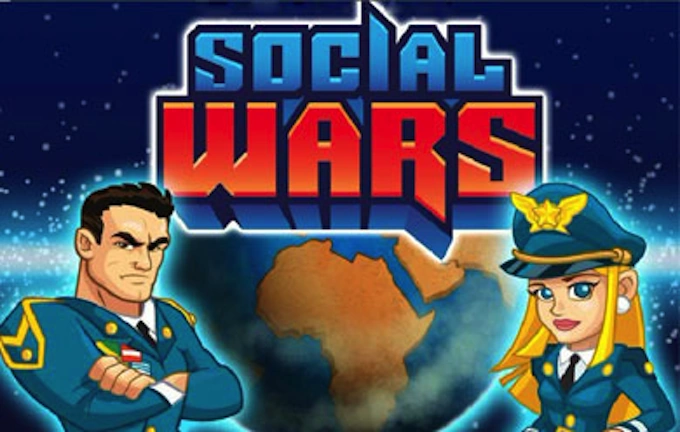
They played like simplified versions of Age of Empires — you’d collect gold and food, build up your base, and deploy troops against enemy villages or AI armies. Everything happened in real time, so I’d often log in after school to queue up buildings or upgrades, then check back a few hours later to see the progress. It was one of the first strategy games that felt properly alive on Facebook, ticking away quietly even when you weren’t online.
Social Empires came first, mixing fantasy and myth with bright, cartoon visuals — dragons, knights, and magic towers everywhere. It was lighthearted, colourful, and instantly addictive. You could raise and even breed dragons, creating powerful hybrids that could wipe out entire enemy bases. I remember hatching little “Draggys” and being weirdly proud of them.
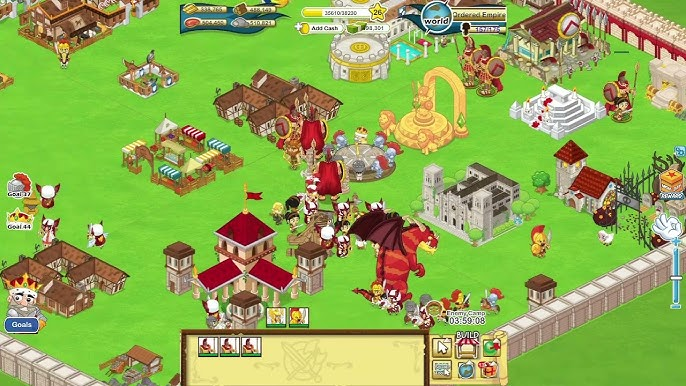
The game had a surprising amount of creative freedom — you could rearrange buildings, decorate your city, and tweak your defences until everything felt just right. But what made it truly special was the social element. You could visit your friends’ bases, send gifts, or invite them for bonuses — and back then, that kind of connection felt new.
Social Wars arrived a year later, a sci-fi re-imagining full of robots, jetpacks, and explosions. I used to play both games side by side in separate browser tabs, training troops in one while upgrading turrets in the other. My favourite part was collecting the special mechs — the yellow one that looked suspiciously like Bumblebee was always my go-to unit.

While researching this post, I discovered that both games can still be played today. Dedicated fans have found ways to self-host private servers, bringing Social Empires and Social Wars back to life years after they officially shut down. Obviously, the social features no longer work, but you can still play through the story missions, rebuild your base, and train your armies just like before. I’m seriously considering giving it a go at some point — purely for the nostalgia.
These were the games that first showed me what Facebook gaming could be — part RTS, part community, and completely addictive. They were also the beginning of Social Point’s rise; the dragon-breeding mechanic would eventually evolve into Dragon City, the studio’s breakout hit.
Evony: Age I (2009)

It’s a bit of a shame to see what Evony has become today, because the original version I played — Evony: Age I — holds a very special place in my heart. I can’t even remember exactly how I found it, though I have a feeling it might have been through Miniclip.
I used to play Evony on the family computer, usually alongside RuneScape. One browser tab would be filled with hill giants and bones to bury, while the other was busy upgrading farms and barracks. It was the first MMORTS I ever played, and I thought it was incredible — a living world that kept going even after you logged out.
The sense of progression was what hooked me. Building up my city, researching upgrades through the Academy, and training a massive army felt endlessly satisfying. Because everything happened in real time, progress could take hours or even days, but that wait only made each milestone feel more rewarding. I’d often queue up buildings and troops before bed so that by the next afternoon, my empire would be ready to launch its next attack. Those little rituals — logging off and imagining my tiny virtual city growing overnight — made the game feel strangely alive.

Every troop type had strengths and weaknesses — cavalry crushed archers, pikemen countered cavalry, and so on — which meant you had to balance your army carefully, especially for PvP. The Alliance system added another layer of fun; a few of my friends played too, and we’d form alliances, strategising over who to attack or how to defend each other’s cities.
For years, I’d forgotten about Evony until I started seeing those infamous ads for Evony: The King’s Return. Two thoughts hit me immediately:
“Oh wow, I completely forgot about this — I used to play Evony all the time!”
“Wait… why do these ads look nothing like the game I remember?”
Those ads became notorious for their explicit, misleading marketing — showing puzzle gameplay and suggestive imagery that had nothing to do with the real game. They were so over-the-top they became memes in their own right, a far cry from the slow, thoughtful strategy of the original.
Out of curiosity, I reinstalled it — and immediately uninstalled it again. The old Flash-based browser game I’d loved had become a mobile, ad-ridden shadow of itself.
While researching this post, I was shocked to learn that the original Evony: Age I and Age II servers are still running today. Even though Flash support ended in 2020, dedicated fans have kept them alive through workarounds and legacy browsers. There’s even a small subreddit and Discord community helping others reconnect.
The player base is smaller now, and many worlds rely on bots to keep the economy going, but it’s incredible that it still exists. You can log in, rebuild your city, and relive much of that original magic — a perfect nostalgia trip for anyone who loved the early era of browser-based strategy games.
LEGO Racers (1999)
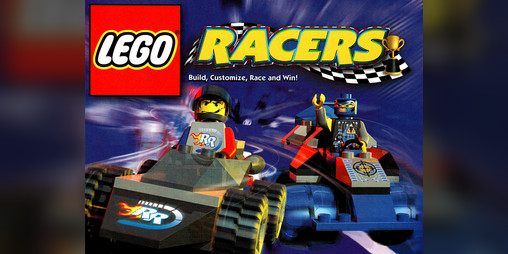
This was probably the first video game I ever remember playing. I must have been really young, sitting at the family computer in the corner of the living room, completely absorbed in the colourful, blocky world of LEGO Racers.
I spent ages in the garage building my own car — determined to make one with vertical flames shooting out the back, though I could never quite get them to sit right. I could also design my own minifigure driver, mixing heads, torsos, and helmets to make something that felt uniquely mine.
The game itself was essentially LEGO’s answer to Mario Kart — a fast, arcade-style racer where you’d collect coloured power-up bricks mid-race to unleash rockets, speed boosts, or shields. It was simple, loud, and endlessly entertaining.

Looking back, it’s one of those games that perfectly captured the magic of the late ’90s: bright colours, straightforward fun, and just enough creativity to make it feel personal. It might look dated now, but for me, LEGO Racers was where my love of gaming — and probably LEGO — really began.
Drome Racers (2002)
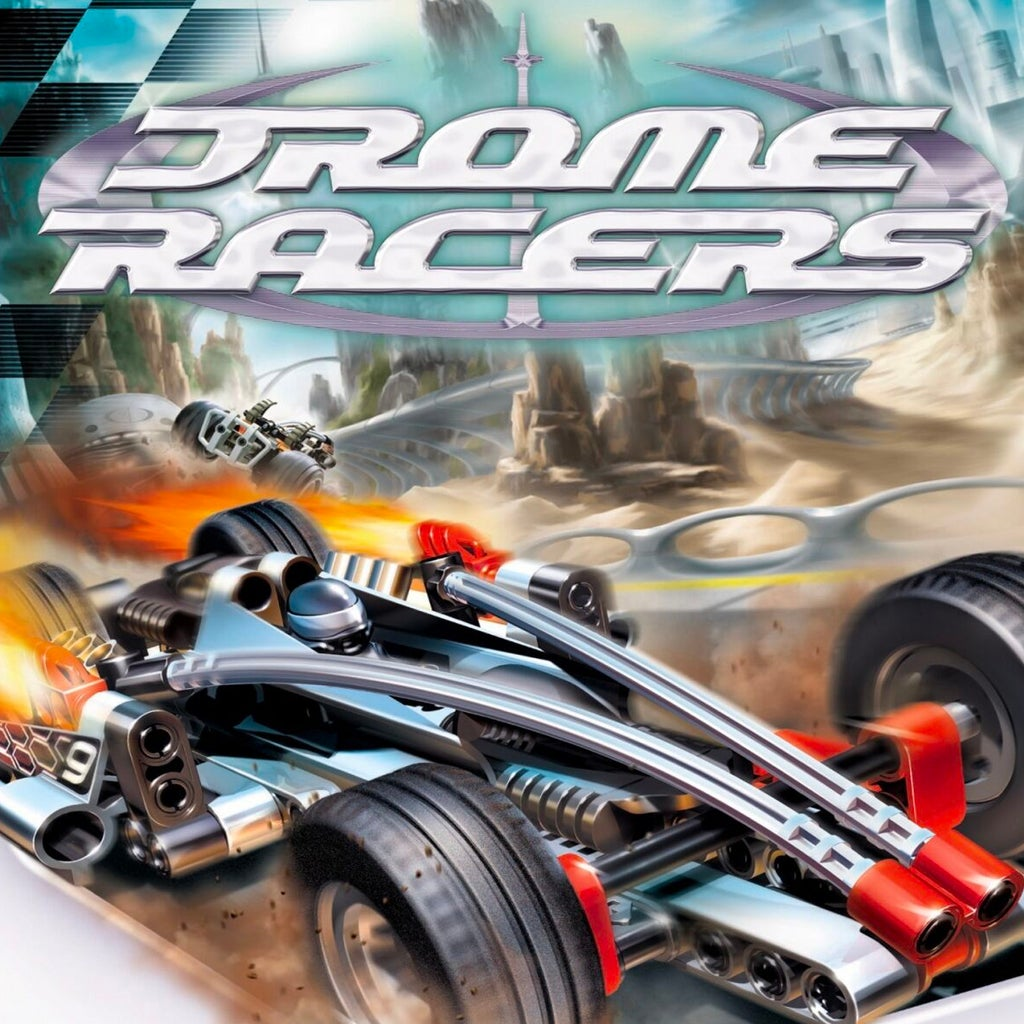
Following on from LEGO Racers, Drome Racers offered a completely different take on LEGO racing — more futuristic and mature. I played this one later on the Nintendo GameCube, and while it didn’t capture quite the same childlike wonder, it quickly became a quiet weekend favourite.
It featured a mix of on-road, off-road, and futuristic city tracks, each with its own type of car. You could tune and upgrade your vehicle between races, improving speed, handling, and acceleration — a feature that felt incredibly rewarding at the time. For what was essentially a simple racer, earning credits and gradually making your car faster gave a real sense of progress.
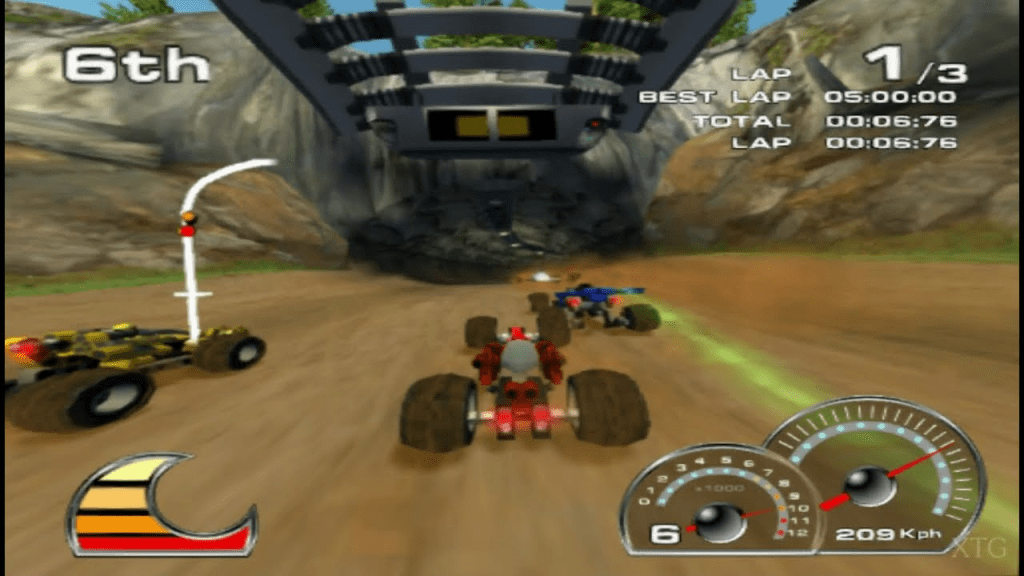
I can still picture myself playing it on a tiny box TV in my bedroom, controller in hand, completely lost in those bright LEGO environments. The combination of realistic tracks and LEGO charm gave it a unique personality.
I don’t have as many vivid memories of Drome Racers as I do of some of the others, but it stands out as one of the earliest console games I truly loved — simple, satisfying, and pure fun.
War of Legends (2010–2015)

Another game lost to the ages. I almost forgot about War of Legends entirely until I stumbled across it while researching Evony for this post. It was another MMORTS, but what made it extra special was that it was developed by Jagex — the same studio behind my beloved RuneScape.
I only played War of Legends at my grandparents’ house on weekends. My gran had a little laptop in the study, and I’d spend hours in there building my empire while everyone else chatted in the next room.
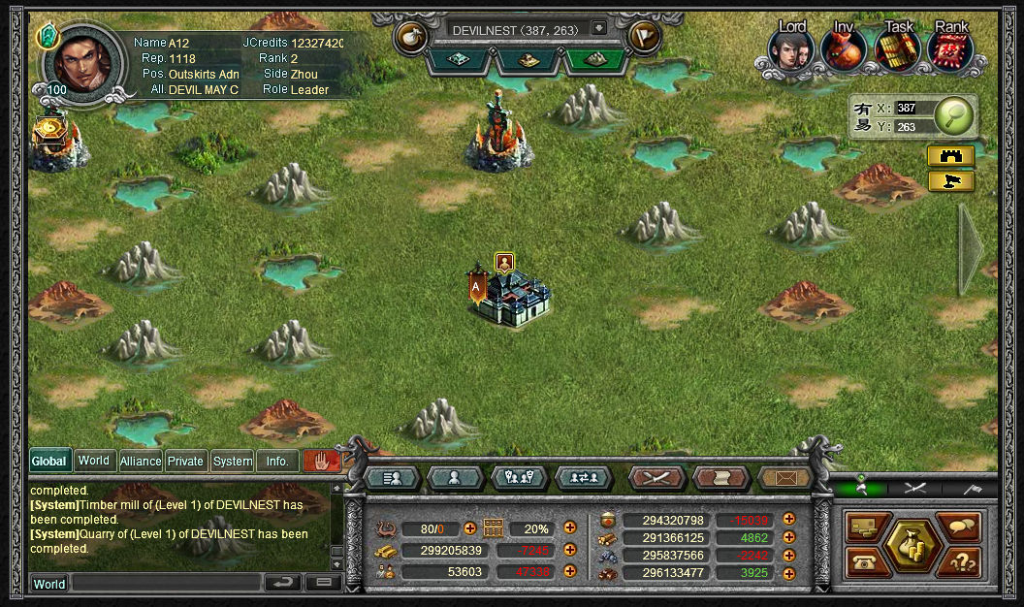
Set in ancient Chinese mythology, the game had a beautiful art style and deep mechanics. You’d gather resources, build cities, and train troops — but the real stars were the Legends, hero units with their own gear, stats, and abilities. They added RPG-like progression to the strategy loop, making every battle feel more personal.
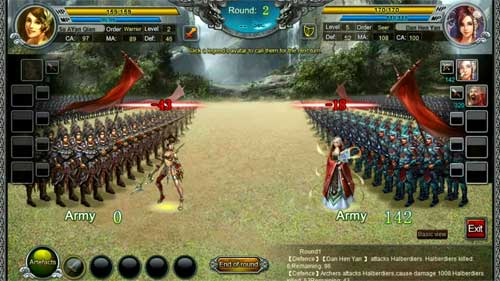
One of my favourite features was the Wheel of Fortune, where you could spin for bonus rewards — extra resources, gear, or even new Legends. Looking back, it was basically an early version of today’s loot boxes, but it felt fair and exciting.
Another cool twist was that battles began with your Legends duelling each other one-on-one, with the winner granting their army a temporary stat boost. It made every encounter feel cinematic.
Sadly, War of Legends was shut down in 2015 after an unresolved security issue. I wish I’d played it more — it was a game ahead of its time, blending world-building, mythology, and MMO strategy long before that became common.
Pokémon Emerald (2004)
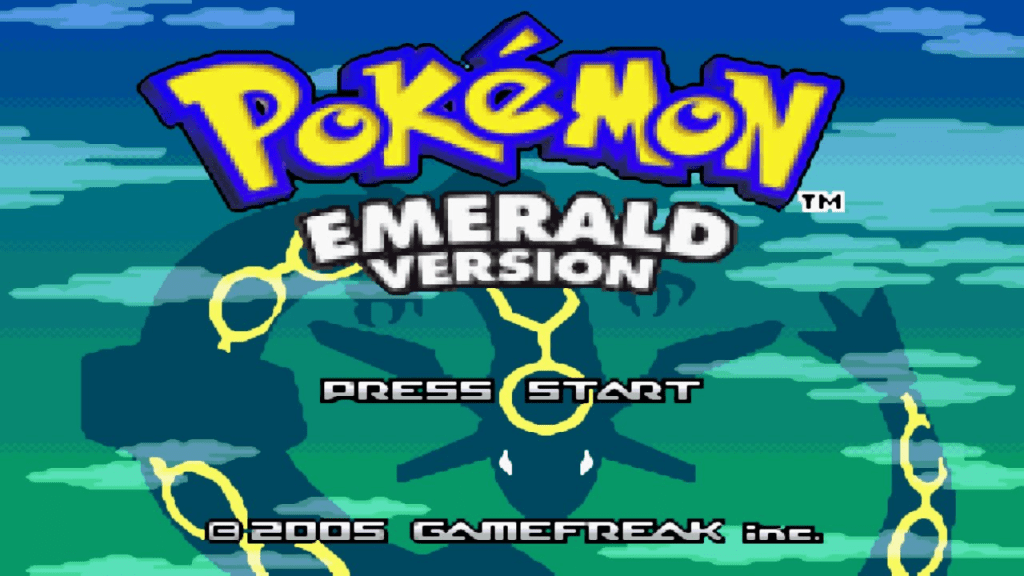
This was the first real Pokémon game I ever remember loving — and it wasn’t even mine. I was introduced to it by a friend who owned the silver Game Boy Advance SP with the tribal markings on the lid. We were at the local social club one Friday evening, and I can still picture myself sitting beside him, completely absorbed as I watched him play.
Up until then, I hadn’t really been exposed to Pokémon. I probably would have recognised Pikachu, but I’d never played any of the games before. That all changed when he showed me Rayquaza, the legendary Pokémon that graced the cover of Emerald. From that moment, I was hooked.
I never actually got to play Emerald myself, but every chance I had to watch him play, I took it. It was the reason I begged for a Nintendo DS — purely because of its backwards compatibility so I could one day play it. I never did get Emerald, but I went on to play Diamond, Pearl, and Platinum instead.
It even sparked a short obsession with collecting the trading cards. My grandparents used to take me to Toys “R” Us, where I’d spend ages walking down the aisles staring at all the Game Boy boxes.
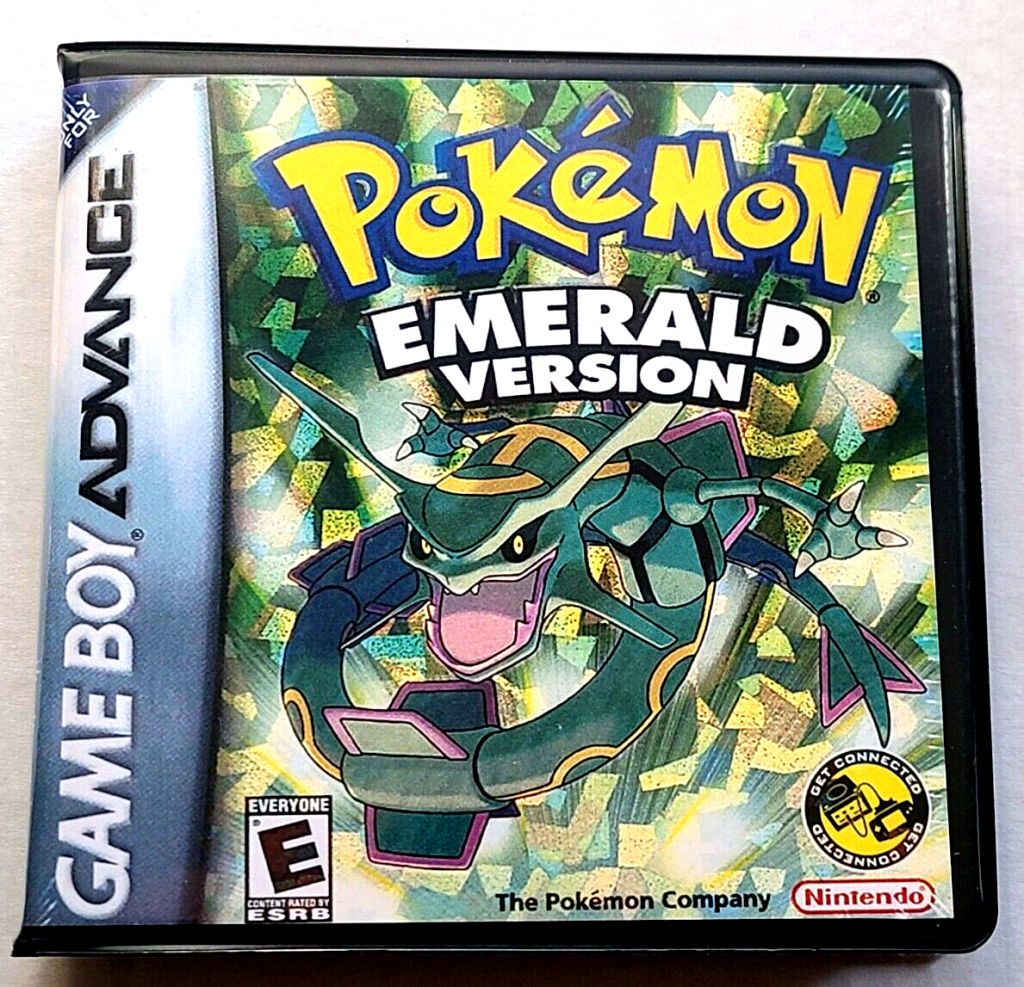
This was around the same time that Star Wars: Revenge of the Sith was in cinemas, and I distinctly remember wandering from the Game Boy section straight into the next aisle filled with Star Wars toys and costumes. I picked up a toy lightsaber, and when we went to pay, I spotted a Pokémon trading card tin by the till. It came with booster packs, a play mat, and some tokens so I could learn to play the card game properly.
Those small moments are what made that era so special. Pokémon Emerald might not have been mine, but it’s the game that sparked a lifelong love for the series.
Fate (2005–2008)

Fate was one of those games I discovered completely by accident — back before I had a proper gaming PC, when I was still using my old Lenovo laptop. At the time, RuneScape was my main game, but since it required an active internet connection, I wanted something I could play offline while travelling.
That’s when I stumbled across the WildTangent Game Center, which came pre-installed on most laptops around 2012. Browsing through its catalogue, I found a demo for a game called Fate. It looked cool and fantasy-themed, so I gave it a go. Because it was a demo, I could only play for about 90 minutes before the timer ended — unless I used WildCoins, an early form of microtransactions, to rent it longer. It was basically a precursor to modern in-game currencies.
Still, that was plenty of time to fall in love. When the timer ran out, I just moved on to the next sequel — Undiscovered Realms, The Traitor Soul, and The Cursed King.
Fate was an action-RPG dungeon crawler similar to Diablo. You created a custom hero and explored the randomly generated dungeons beneath the town of Grove, collecting loot and battling monsters. You even had a pet companion you could transform by feeding it fish caught while exploring — a quirky little feature that became surprisingly addictive.
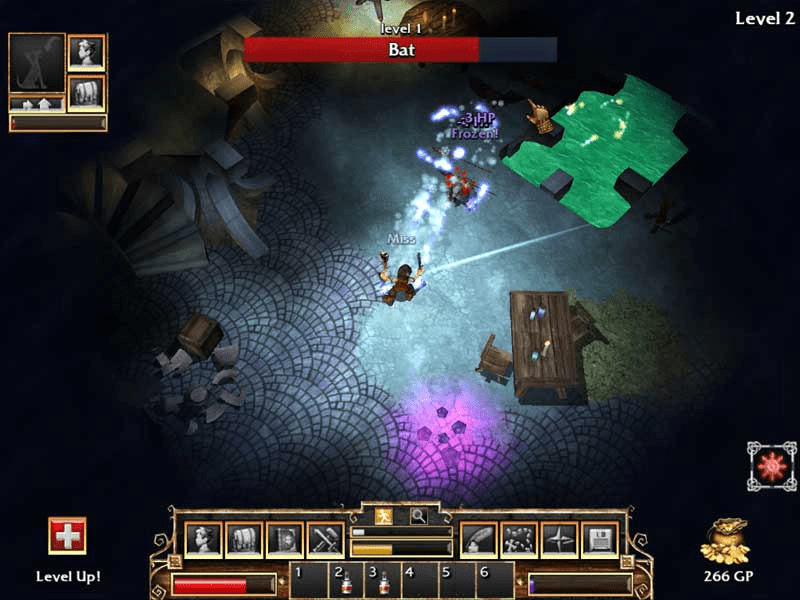
The sequels expanded the formula with new races, infinite dungeon levels, weapons, armour, and quests. One standout feature was the ability to transfer your character between games, so every play session felt like progress rather than a restart — pretty unique for the time.
Years later, after moving to PC gaming, I rediscovered the series during a Steam Summer Sale, bought the lot, and instantly felt that wave of nostalgia come rushing back.
While researching this post, I discovered something I didn’t know — the entire Fate series was remastered in early 2025 with updated visuals, widescreen support, and modern compatibility. It’s amazing that a game I first found pre-installed on a laptop all those years ago has now been brought back for a new generation.

The WildTangent Game Center also introduced me to a couple of other gems I could just about run on that potato of a laptop — Torchlight (fun fact: Fate’s lead designer Travis Baldree later co-founded Runic Games, the studio behind it) and Final Drive: Nitro, a simple arcade racer that I’d play endlessly whenever I was offline.
Honourable Mention – Miniclip
I couldn’t finish this post without circling back to Miniclip, one of the true gems of early internet gaming. It was the platform where I discovered so many of my favourite browser games — and I specifically credit it for helping me rediscover RuneScape again later in life.
I have so many fond memories of visiting my grandparents at the weekends and playing on my gran’s laptop. I’d spend hours jumping between tabs — Commando 2 on one, War of Legends and Evony on others — managing my cities in one window while firing grenades in another. It was chaotic, but brilliant.
Miniclip was the ultimate gateway for so many of us — an entire universe of free games just a click away. Sadly, the platform finally shut down its servers not long after Adobe ended support for Flash in 2020. It marked the end of an era. Hundreds of classic Flash games were lost to time, and it felt like a small but significant moment in gaming history — the point where the world truly shifted from browser-based games to mobile gaming.
Even now, hearing that old Miniclip logo jingle instantly transports me back to simpler times — when fun was measured in loading bars, not frame rates.
Final Thoughts
Looking back at these games reminds me how much simpler things once were — afternoons spent swapping browser tabs, building bases, or racing blocky cars on tiny screens. It was a time before microtransactions and battle passes, when fun was just a click away.
It’s wild to think how much gaming has evolved since then, but these titles still hold a special place in my heart. They weren’t just games — they were little worlds that sparked creativity, curiosity, and community.
🎮 What about you? Which old-school games defined your childhood? Drop a comment below or share this post with a friend who spent their weekends on Miniclip, RuneScape, or a Game Boy Advance.
 The Life of J
Leave a comment