I know this post is arriving a little later than planned — we’re already well into 2026 — but over Christmas I spent some time reflecting on the year just gone. This ended up taking a bit longer than I expected, thanks to illness and a busy start to the year, but better late than never.
Every year feels important while you’re living it, but some years reshape things in a more lasting way.
2025 was one of those years for me.
Over the course of the year, I went through several major changes — personal, professional, and creative — and by the end of it, I found myself stepping into a new phase of life.
At the same time, 2025 wasn’t just about big moments. It was a year of reflection, reassessment, and quietly working out what I want my life to look like going forward — from how I spend my time, to what I focus my energy on, to the goals I set for myself and how I measure progress.
Looking back now, 2025 feels less like a finish line and more like a turning point — a year that marked the end of one chapter and the beginning of another. That feeling pretty much shaped how the rest of the year developed.
How the Year Unfolded
2025 felt big, but not in a constant or overwhelming way.
I was always aware that something important was coming up later in the year — something that gave the whole year a sense of direction and momentum (more on that later!).
At the same time, I found myself stepping back more than usual to reflect on how I was feeling and what I wanted to change.
I wasn’t enjoying my job, and that dissatisfaction had started to affect me outside of work. It wasn’t something I could switch off at the end of the day, and over time it made me realise how closely my overall happiness is tied to feeling fulfilled in what I do.
Alongside that, I became more aware of a few habits I’d been wanting to work on for a while. Rather than trying to overhaul everything at once, I focused on making gradual changes throughout the year. That slower, more intentional approach made progress feel achievable rather than overwhelming.
By the end of 2025, the year felt less like something I’d pushed through and more like something that had quietly prepared me for change — a reset point rather than a conclusion.
Small Changes That Made a Big Difference
Some of the most meaningful changes I made in 2025 were quiet ones.
One of the clearest was becoming more aware of how much time I was spending on my phone. Over the course of the year, I started using it less and eventually uninstalled Facebook — the final piece of social media I was still using regularly. That change alone made a noticeable difference to my attention and overall mood.
One small habit that had a bigger impact than I expected was leaving my phone on its charger when I was at home, rather than carrying it around with me. That simple change ended up freeing up little pockets of time throughout the day — time that would previously have disappeared into scrolling.
Those small gaps quickly turned into opportunities to do other things, like reading. In that sense, it was a double-sided change. It helped me break a habit I wasn’t happy with, while also making me happier overall by giving me more space to indulge in something I genuinely enjoy and want to do more of.
Alongside that, I noticed a gradual shift in how I approach problems, particularly when it comes to productivity. I started trying to focus less on motivation and more on momentum. The “five-minute rule” — which I’ve written about in more detail here — helped me reframe tasks that I’d usually put off.
Instead of thinking “I really can’t be bothered to do this, I’ll do it later,” I began approaching things from the perspective of “I’ll be glad this is done and off my mind.” I’m far from perfect, but that change in mindset has felt like a step in the right direction.
None of these changes were dramatic on their own, but together they reshaped how I spend my time and energy. Small adjustments, made consistently, ended up making a bigger difference than I expected. That growing awareness carried over into the the choices I made with the projects I’d planned out for throughout the rest of year
Projects I Started — and the Ones I Let Go Of
2025 was a year of starting things — and being honest with myself about which projects I genuinely wanted to put my time into, and which ones I mostly liked the idea of.
Over the course of the year, I started this blog, refreshed my home network, returned to technical learning, and began writing a fantasy novel — two creative projects that ended up becoming far more important to me than I initially expected. Each of these projects gave me something different, whether that was learning, structure, or a creative outlet.
Not everything carried on as planned.
Some ideas — particularly around my homelab and home automation — slowly fell away. I realised I wasn’t enjoying technical projects in my free time in the way I used to. Forcing myself to continue with them was starting to feel like an extension of work, rather than something I looked forward to. Letting go of those projects created space for things I genuinely wanted to spend my time on, like reading and writing.
That realisation eventually led to a bigger decision. Towards the end of the year, I sold my PC — something I’d been quietly thinking about for a long time. It had stopped being something I actively used and had slowly turned into both clutter and a distraction. When I did sit down at it, it was often when I should have been doing something else, something I was consciously trying to improve on.
As I mentioned in one of my first blog posts, I hadn’t really been using it for years. In hindsight, some of the projects I’d been planning were less about genuine interest and more about finding a reason to keep it around.
That’s not to say I’m done with homelabbing or gaming entirely. I still have my Xbox and enjoy using it casually now and then, and I’ve kept my Home Assistant Green for whenever the home automation itch returns. If I do want to explore more virtualisation work in the future, I’ll likely look to host things in the cloud instead.
The projects I did work on earlier in the year ended up helping me secure a new job towards the end of the year, which is something I’m incredibly grateful for. Even though not everything was seen through to completion, those efforts still paid off in ways I didn’t fully appreciate at the time.
Looking back, I don’t see the projects I didn’t finish as failures. They helped me learn what I enjoy right now, and just as importantly, what I don’t. In that sense, choosing to stop was just as intentional as choosing to start.
Rediscovering Writing and Creativity
Writing made its way back into my life almost by accident.
What actually started off as an idea for a technical project — building a simple website to self-host — quickly became something much more personal. As I began writing regularly, it became clear that the creative side of the project mattered far more to me than the technical challenge ever did.
I’ve always enjoyed writing, even if I haven’t always made time for it. Growing up, I loved reading and drawing, and I even wrote short stories and fanfiction as a teenager. As I got older, that creative spark faded into the background. Ideas still came to me, but they rarely went anywhere. They lived in notes, half-finished documents, and sprawling files that I’d add to every now and then, without ever really doing anything with them.
Starting the blog changed that.
For the first time, writing became something consistent rather than occasional. Over the course of the year, I published 24 posts, wrote over 56,000 words, and saw more than 600 views. Not because of reach or validation, but because it gave me the fire to keep going. It was genuinely exciting to know that people were actually seeing what I was writing — and even better, that some of them liked it. By the end of the year, the blog had picked up 4 subscribers and over 30 likes, which was far more than I ever expected.
I went into it assuming nothing would really come of it beyond being a creative outlet for myself. Instead, it became something I actively looked forward to working on, something I genuinely enjoyed building and returning to week after week.
That renewed sense of creativity naturally spilled into something bigger. Towards the end of the year, I began working on a fantasy novel — something I’d thought about for a long time but never seriously attempted. It felt like a natural extension of writing more regularly and finally giving myself permission to explore ideas properly.
Looking back, rediscovering writing wasn’t just about producing words. It was about finally getting all of those ideas out of my head and onto the page — about taking the worlds I see in my imagination and starting to shape them into something tangible. I don’t just want to write a book. I want to create a world.
Hobbies, Joy, and Slowing Down
As much as 2025 was a year of reflection and change, it was also a year where I gave myself permission to slow down and enjoy things again.
A lot of that joy came from fairly simple routines. Watching Formula 1 when it was on at the weekends, reading more consistently, and writing all became small but important anchors throughout the year. They gave structure to my free time and something to look forward to, especially during periods when other parts of life felt more uncertain.
Karting also made an appearance a couple of times throughout the year. It’s something I’ve always enjoyed and have dipped in and out of over time, and 2025 reminded me how much I’d like to make space for it more often.
Writing, in particular, became a constant. It wasn’t just a creative outlet — it was something that helped keep me grounded and gave me a sense of momentum when I wasn’t enjoying work. Sitting down to write, even briefly, felt like time well spent.
Interestingly, I didn’t add many new LEGO sets to my collection this year. I did, however, finally pick up the UCS Jabba’s Sail Barge — a set I’d had my eye on ever since seeing it in person at the LEGO Store at the beginning of last year. Alongside that, I started downsizing parts of my collection, selling some duplicate sealed sets and finally letting go of empty boxes I’d been holding onto.
That shift felt less like missing out and more like choosing space — both physically and mentally.
At the beginning of the year, I also spent a lot of time reading about home automation and smart home ideas. While that interest never fully turned into projects at home, I don’t see that as a negative. I enjoyed learning about it, and not every interest needs to lead to something tangible to be worthwhile.
Overall, 2025 helped me rethink how I spend my downtime. Slowing down didn’t mean doing less — it meant doing things more deliberately, and choosing enjoyment over obligation.
Money, Balance, and Being More Intentional
My relationship with money shifted slightly in 2025 — not in a dramatic or restrictive way, but in how consciously I thought about it.
I became more aware of where my money was going and why. That didn’t mean cutting out everything I enjoy, but it did mean pausing more often before spending and asking whether something would genuinely add value to my life or simply add clutter.
A big part of that shift came from wanting a calmer, more intentional living space. Downsizing parts of my LEGO collection and being more selective about what I brought into the house wasn’t about losing interest — it was about creating room, both physically and mentally.
I also started prioritising experiences more than material things. Holidays, trips, and shared experiences began to feel like better uses of money than accumulating more stuff. It wasn’t about choosing one over the other entirely, but about finding a balance that felt right for where I am now.
Alongside that, I made a conscious effort to get my finances back on track. I focused on catching up with my savings goals and building a bit more stability, which gave me a greater sense of control and peace of mind as the year went on.
By the end of 2025, money felt less like something I was reacting to and more like something I was thinking about deliberately. That mindset shift has carried forward, and it’s something I plan to build on further as I move into the next phase of life.
Looking Back at the Goals I Set for 2025
At the start of 2025, I set myself a handful of goals — not as rigid targets, but as rough markers for the kind of progress I wanted to make over the year.
Some went exactly to plan. Others didn’t. And a few changed shape entirely as the year unfolded.
One of my biggest priorities was getting my savings back on track, and I’m really happy to say I achieved that. Reaching that goal brought a sense of relief and stability that carried through the rest of the year, and it laid a solid foundation going forward.
I also set out to achieve Network+. I completed the training but never actually booked the exam. At one point, that might have felt like a failure, but in hindsight, I’m comfortable with it. The training itself was valuable, and following a change in career direction, taking the exam no longer felt as important as it once did.
Reading was another goal I didn’t quite hit numerically. I aimed to read 36 books over the year and ended up reading 24. That said, I’m still really pleased with that number — especially considering I stopped reading entirely for a few months at one point. Reading more consistently than I had in previous years felt like a win in itself.
Reducing my screen time to under two hours a day proved difficult. I didn’t quite manage it, but I did make meaningful progress. I became far more aware of how I use my phone and continued working on reducing that time, which feels like a positive trend rather than a missed target.
I also wanted to start a weekly journal, writing a short summary each Friday. That didn’t happen consistently, largely due to limited time. Rather than forcing it, I chose to prioritise writing blog posts and working on my novel instead — something that felt like a better use of my creative energy.
Finally, I planned to continue my Italian lessons on Duolingo, but I eventually stopped. I struggled to find a routine that made it sustainable alongside everything else I had going on. It’s something I’d like to return to at some point, but for now, it made sense to focus on other areas of learning.
Looking back, I don’t see the goals I didn’t fully achieve as failures. They gave me structure, helped me stay mindful of what I wanted to work on, and — just as importantly — showed me where my priorities shifted over the course of the year.
Closing Reflections: Stepping Into a New Phase of Life
Looking back, 2025 gave me a lot to be grateful for.
There were moments of joy, moments of uncertainty, and plenty of time spent figuring things out as I went. Some of the year’s highlights were obvious at the time, while others only really make sense in hindsight. Together, they shaped what ended up being a genuinely meaningful year.
The year wasn’t without its difficult moments either. We lost our cat in 2025, and saying goodbye was far harder than I expected. It was a quiet but powerful reminder that not all change comes with momentum, and that some moments simply ask you to pause and reflect.
One of the defining aspects of 2025 was reaching a major personal milestone that marked a clear transition into a new phase of life. I married my long-term partner in a beautiful ceremony with our friends and family, and it was truly one of the best days of my life.
In a year of big events like getting married and starting a new job, there were also countless smaller moments that mattered just as much — trips, shared experiences, quiet routines, creative progress, and the simple satisfaction of feeling more aligned with myself than I had been at the start of the year. I also bought a new car — a nice upgrade from my old banger that I learned to drive in all those years ago — which felt like another small marker of change.
What I appreciate most about 2025 is how it helped me slow down, reassess, and make more intentional choices. It was a year that quietly laid foundations rather than chasing outcomes, and I’m grateful for that.
As I move into 2026, I feel optimistic and determined. I want to focus on being consistent, following things through to the end, making the most of opportunities, and ultimately getting as much out of life as I can. More than anything, I want to make memories and continue building on the foundations that 2025 helped put in place.
Final Thoughts
Writing this has been a reminder of just how much can change over the course of a year — sometimes quietly, sometimes all at once.
If there’s one thing 2025 reinforced for me, it’s the value of slowing down, reflecting, and being intentional about where time and energy go. Not everything needs to be optimised or rushed. Some things just need space to grow.
If you’ve made it this far, thanks for reading — I genuinely appreciate it. I’d love to know what 2025 looked like for you. Did it feel like a year of change, a reset, or something else entirely?
If you enjoy reflective posts like this, feel free to explore more of the blog, or subscribe to follow along as I head into 2026. There’s plenty more to come.
I’ve been listening to Logic since early 2020, when Spotify first recommended Keanu Reeves to me. I had that song on repeat for hours — it ended up becoming the soundtrack to a big moment in my life as I moved out of my parents’ house for the first time. Since then, Logic’s music has been tied to so many memories that writing this post felt long overdue.
Most of my listening has been on Spotify, so when I decided to rank his discography I did a bit of digging — and realised there were a bunch of early mixtapes and projects I’d never even heard because they aren’t on streaming. Discovering those for the first time has genuinely made me appreciate his journey and growth even more.
Before we jump into everything, just a quick note: Logic puts out both albums and mixtapes, and until recently I didn’t actually know the difference myself.
Here’s the simple version:
Albums are the polished, official releases — more structured, more intentional, often following a theme or story.
Mixtapes are looser and more experimental. He samples freely, switches styles, and just has fun with it. They show the early raw talent that shaped everything he did later.
This post isn’t a professional review — it’s just my personal thoughts, feelings, favourite tracks, and what stood out to me as I listened through every project he’s ever released.
So… let’s get into it.
Psychological (2009)
Before he was Logic — this is where everything began.
Before the world knew him as Logic, Bobby Hall released this early mixtape under the name Psychological. At the time, his life was still incredibly unstable: a difficult home environment, no money, no real support system, and pretty much no path forward except the one he was trying to carve out through music. He was recording wherever he could, teaching himself everything from scratch, and just trying to stay afloat while figuring out who he was as an artist.
What makes Psychological so interesting is how clearly you can hear the spark, even though the project itself is unpolished. The production is rough, the mixes are uneven, and you can tell he didn’t have the resources he’d later gain — but the raw talent is there immediately. There are moments where his voice, flow, and tone already sound like the Logic we’d eventually get on later mixtapes and albums, which honestly surprised me considering how early this was.
The mixtape bounces through different styles as he experiments and tries to find his lane, and that actually makes it a really fun listen. You can hear the Eminem influence, the storytelling instincts, and the hunger to improve. It feels like you’re listening to someone building the foundations of their future career in real time.
For me, The Dream is the clearest example of that potential. It has a maturity and focus that stands out from the rest of the tape, and it feels like the first time we get a real glimpse of the artist he was going to become. It’s easily the standout moment and the one that stuck with me the most.
For a first mixtape made under tough circumstances, Psychological is surprisingly compelling — not because it’s perfect, but because you can hear the beginning of everything that would come after it.
Standout Track:The Dream Overall: 7/10
Young, Broke & Infamous (2010)
The moment Logic started to break through.
By the time Young, Broke & Infamous came out, Logic’s life was still far from easy. He was broke, bouncing between living situations, and completely focused on trying to escape the environment he grew up in. But this was also the era where he became far more serious about making music a real career. He’d finally settled on the name Logic, started building a small online following, and was beginning to attract the attention of the underground hip-hop scene.
What stands out most about this mixtape — right from the first listen — is how huge the jump in quality is compared to Psychological. The production feels cleaner, he sounds more confident, and everything has a much clearer sense of direction. You can tell he’s starting to find his identity rather than just experimenting.
This is also the first time the Young Sinatra persona really appears, and it’s honestly one of the biggest surprises of the project. The smooth, laid-back flow and Sinatra-inspired style feel fully formed, even at this early stage. It’s easily one of my favourite moments on the mixtape, and the track has stuck with me well after listening.
The tape also shows Logic becoming more playful and comfortable with sampling. The flip of Billie Jean on Wordplay is so natural and fun, and it feels like the first time he really leans into the clever, bouncy style that would become a huge part of his later sound. It’s one of those tracks where you can hear the spark of what he would eventually become.
What I love about this mixtape is how it captures Logic right on the edge of something — still young, still improving, but suddenly taking huge strides. You can feel the hunger and the belief starting to kick in. And you can also feel why people started paying attention; this was the project that first got blogs talking and ultimately led to the early industry interest that helped launch his career.
Standout Track:Young Sinatra Overall: 7.5/10
Young Sinatra (2011)
The moment Logic truly found his sound.
With Young Sinatra, everything suddenly clicked for Logic. By this point, he had signed with Visionary Music Group, was performing more consistently, and was finally getting support from people who believed in what he was doing. His life was still far from comfortable, but for the first time he had momentum — and you can hear that confidence all over this mixtape.
What immediately stands out is how dramatically the sound evolves from his earlier work. Logic leans heavily into jazz, soul, and old-school hip-hop influences, and the shift suits him perfectly. This is where the Young Sinatra persona truly comes to life — smooth, nostalgic, soulful, and far more refined than anything he’d made before. It feels like he discovered a style that genuinely fits him, and he runs with it.
One of the biggest surprises for me while listening was just how strong some of these tracks are so early in his career. One is honestly one of my top Logic songs across his entire discography; the blend of musical styles is beautiful, and it’s still a track I return to years later. The same goes for All I Do — an absolute banger, iconic within the fanbase, and wild to think it was created at this stage of his career. I first heard both of these on The YS Collection, so hearing them in their original context really highlighted just how impressive this mixtape is.
I also found myself loving the little touches throughout the project — skits like Sell Out Records that are funny but still fit the upbeat vibe of the mixtape, and stylistic experiments like Beggin, which absolutely blew me away. The sample choice is insane, and I genuinely can’t believe I hadn’t heard it before; it’s easily one of the standouts for me.
Not everything is perfect — I liked Mind of Logic, but the feature didn’t fully land for me, and Stewie Griffin felt slightly out of place stylistically. Still, the overall cohesion of the project and the insane sample selection more than make up for those minor dips. The entire tape just feels alive, creative, and confident.
What impressed me most is how timeless a lot of this music feels. The sample choices, the jazz influence, the warm soulful production — it’s all aged incredibly well, especially for a mixtape made this early in his journey.
Standout Track:Beggin (though One and All I Do came close) Overall: 8.5/10
Young Sinatra: Undeniable (2012)
Logic proving he wasn’t just promising — he was undeniable.
By the time Logic dropped Young Sinatra: Undeniable, things in his life were starting to shift. He was touring more, building a real fanbase, and finally seeing the payoff from all the grinding he’d been doing throughout his teens. But with that momentum came pressure — he’s talked a lot about how this was the era where he felt the weight of expectation for the first time. He wasn’t just trying to be heard anymore; he was trying to prove he deserved the attention he was getting.
This mixtape feels like the moment he leans fully into that mindset. It’s bigger, more polished, and more confident than anything he’d released before. The production is cleaner, the storytelling sharper, and the whole vibe feels like Logic levelling up in real time. It’s also the project that really solidified the Young Sinatra identity in the eyes of fans — lyrical, soulful, introspective, and rooted in classic hip-hop energy.
A lot of the tracks I already knew from The YS Collection, and hearing them in their original context made me appreciate them even more. The opening track, Inception, immediately sets a strong tone, and Dead Presidents III is peak Logic — lyrically sharp, confident, and one of his most iconic early songs. It’s the kind of track that just screams hunger.
What really stood out to me during this listen was how consistently enjoyable the mixtape is. Set The Tone was a pleasant surprise, one I hadn’t heard before, and it instantly became one of the highlights. The Spotlight is another favourite — upbeat, smooth, and exactly the kind of track that makes the Young Sinatra era so fun to revisit.
We Get High is still one of my favourite YS-era songs, and hearing it here reminded me again just how special this early run of Logic’s music really is. There’s something raw but warm about these tracks that feels completely unique to this period of his career.
The skits continue to add personality too — ThirstMail gave me a good laugh, especially as a callback to the earlier skits from the first Young Sinatra mixtape. It’s silly in a charming way and fits the vibe perfectly.
Not everything hit for me — Aye Girl was one of the weaker tracks, and felt a little out of place compared to the rest of the tape. But moments like Do Ya Like more than made up for it; the smooth R&B influence, the impressive lyricism, and yes — that sample (which I’m pretty sure is Adele!) — made it one of the standout discoveries for me.
What I loved most about Undeniable is how heartfelt it is. Logic shares more of his personal story here, and the mixture of confidence and vulnerability makes the whole mixtape feel grounded and genuine. Ending the project with World Wide, featuring clips from fans all over the world, was a really sweet touch — a reminder of how much impact he was already starting to have.
Standout Track:We Get High (with Set The Tone and Do Ya Like as close runners-up) Overall: 7.5/10
Young Sinatra: Welcome to Forever (2013)
Logic’s breakout moment — the mixtape that put him on the map.
Young Sinatra: Welcome to Forever marks a huge turning point in Logic’s career. By this stage, he had fully settled into the Visionary Music Group family, was gaining real traction online, and had just started selling out shows on tour. There was a sense of momentum around him that hadn’t existed before — and this mixtape was the moment he went from “promising underground rapper” to someone the industry genuinely had to pay attention to.
This project was received massively well in the hip-hop blog era. It was downloaded millions of times, praised for its polish and maturity, and was even described by some outlets as “album-level quality” — which is wild for a free mixtape. It’s also the project that led to Logic signing his record deal with Def Jam later that year. So even though it’s still technically a mixtape, it feels like the closing chapter of his come-up.
For me, listening to this after going through the earlier tapes highlighted something interesting: by this point, the Young Sinatra sound is extremely refined, but it also starts to feel a bit familiar. Not in a bad way — more like Logic had perfected this version of himself. But it meant some tracks didn’t hit me as strongly on first listen.
The opening didn’t grab me as much as I expected. Welcome to Forever felt more like a closing track than an introduction, and it didn’t set the tone in the way his previous opens did. I found myself waiting for the mixtape to really kick in — and it eventually did, but a little later than usual.
Once it hits its stride, though, it really hits. 5AM was the first track that properly landed for me, probably helped by the fact I’d already heard it before. It has that confident, sharp Logic energy that defined this era. Break It Down also stood out — darker and moodier, and I assumed (pretty accurately) that this reflected the stress and pressure he was under at the time. This was the period where the expectations were high and the grind was intense.
One of the best moments on the mixtape is Ballin — an absolute classic. Even years later, this feels like peak mixtape Logic: hungry, confident, celebratory. It’s one of those tracks that hasn’t aged a day.
There are other great pockets too. Walk On By is another standout with a nostalgic feel that fits the YS identity perfectly, and The High Life and Man of the Year help round out the softer, more reflective side of the mixtape. But listening to all the YS projects back-to-back does make this one feel a bit familiar — maybe because the formula was now well established, or because the earlier tapes had the excitement of discovery.
Still, this mixtape represents Logic at a real peak in terms of craft, confidence, and recognition. It’s polished, ambitious, and clearly the work of an artist ready to take the next step — which he would do immediately after with Under Pressure.
Standout Track:Ballin Overall: 7.5/10
Under Pressure (2014)
Logic’s official debut — the album that defined him.
By the time Logic released Under Pressure, everything in his life had changed. He had just signed to Def Jam, moved out of the instability he grew up in, and was suddenly in a position he had spent years dreaming about but had never actually experienced: real resources, real pressure, and a real audience waiting to hear what he had to say. This was the moment he needed to prove himself — and he absolutely delivered.
Under Pressure is one of those rare debut albums that feels both polished and deeply personal. It doesn’t try to create a radio-friendly persona or chase trends. Instead, it leans heavily into the things that made his mixtapes resonate: storytelling, honesty, vivid details about his upbringing, and a rawness that makes the album feel almost autobiographical.
One thing I loved revisiting in this album is how the introduction of Thalia instantly sets a different tone. It feels like Logic is inviting the listener into a world — not just a collection of songs. Even though he experimented with skits earlier in his career, this is the first time they’re woven into a larger narrative, and it sets the stage beautifully.
There are so many standout tracks on this album that it’s difficult to know where to begin. Under Pressure itself is one of the strongest songs Logic has ever made. The beat switch, the flow, and the storytelling are incredible — the way he brings his family members’ perspectives into the narrative is intimate, emotional, and genuinely powerful. It’s the kind of track that stays with you.
The album is packed with favourites: Soul Food, Gang Related, Buried Alive, Bounce — all of them stand as some of his best work. Revisiting these after exploring his mixtapes made me appreciate them even more. You can hear how much he grew, but also how consistent his voice has always been.
I’ve always thought Nikki was such a clever concept, giving nicotine a real persona and turning addiction into a relationship metaphor. Even knowing the twist, it still hits hard.
Till the End is the perfect closer to the standard edition — uplifting, hopeful, and exactly the kind of tone you’d expect from someone finally stepping into the future he’d been chasing for years.
Then there’s the deluxe edition, which adds three more tracks — Driving Ms Daisy, Now, and Alright — and they genuinely enhance the album rather than feeling tacked on. Driving Ms Daisy might be the standout here, and I think Childish Gambino is the perfect feature; their flows work together so well. Now didn’t hit quite as hard for me personally, but even then it’s far from a weak track — the bar was just set extremely high by the rest of the album.
What really makes Under Pressure so special is how human it feels. It’s honest, vulnerable, confident, and technically sharp all at once. For a debut album, it’s ridiculously impressive, and still one of his strongest projects to date.
Standout Track:Under Pressure Overall: 9/10
The Incredible True Story (2015)
Logic’s most creative leap — a cinematic world built around an album.
If Under Pressure was Logic proving himself, The Incredible True Story was him letting his imagination run wild. This was a completely different chapter in his career. He was finally living comfortably for the first time in his life, had the freedom to experiment, and used it to build something far more ambitious than a standard hip-hop album. Instead of sticking to a formula, he created a sci-fi narrative universe, wrote characters, built lore, and blended it all into a concept album that feels genuinely cinematic.
At this point in his life, Logic was obsessed with filmmaking, storytelling, and world-building. He’s talked openly about how movies and anime shaped this record, and you can hear that influence all over the album. The skits, the characters (Kai and Thalia especially), the pacing — it all feels crafted, like he was directing something rather than just recording music.
And honestly, this album might be my favourite thing he has ever made. I’ve lost count of how many times I’ve replayed it. The sci-fi framing, the immersive world, the conversations between characters — everything clicks. He does such a good job of building this future setting in such a short time that the listener becomes part of the journey almost instantly.
The opening track, Contact, sets the scene perfectly and transitions beautifully into Fade Away. It’s such a strong start — confident, smooth, atmospheric. I also love that there’s a version of Fade Away he performed with Norah Jones on her podcast; it’s amazing and adds a whole different emotional tone to the song.
One of my favourite moments on the album is Innermission — it’s calm, reflective, and Lucy Rose adds such a soothing layer to it. But Lord Willin’ has probably become my favourite track overall. It’s just a perfect upbeat, feel-good song. Driving with the windows down, blasting that track… it’s a vibe every time.
The entire album feels like a journey — both musically and narratively. Even tracks I don’t revisit as often, like Upgrade, only feel “weaker” because the rest of the album is so strong. Paradise gives me big Young Sinatra-era vibes, while Never Been feels thoughtful and almost mournful in parts. And Run It brings the energy right back up again.
One thing I love about TITS is how the mood shifts naturally without breaking the flow of the story. City of Stars, for example, is such a reflective moment — hopeful, emotional, and beautifully delivered. It’s one of those songs that hits differently on every listen.
Overall, the album is cohesive, immersive, and incredibly fun. It shows Logic not just as a rapper, but as a storyteller with a huge creative vision. And even now, years later, the world he built with this album still feels unique in his discography.
Standout Tracks:Lord Willin’ and Innermission Overall: 9.5/10
Bobby Tarantino (2016)
Logic taking a breather — and showing off another side of himself.
After the huge conceptual swing of The Incredible True Story, Logic wanted to do something lighter, less serious, and more fun — and that’s exactly where the Bobby Tarantino era came from. This was a time where he was experimenting with his sound, enjoying his success, and giving himself permission to make music that didn’t have to carry deep meaning or narrative weight. He’s said before that BT was designed to be the music you play in the car with the windows down, not something to analyse line by line.
You can hear that shift straight away. The mixtape opens with Flexicution, which hits like a reintroduction — loud, confident, playful, and clearly not part of the philosophical, story-driven world he built on his albums. It’s a reminder that Logic can still make hype tracks when he wants to.
The whole project has that looser, carefree energy. The Jam didn’t fully land for me — the autotune felt a bit too artificial for my taste — but the beat is solid. Slave II also sits in that “okay” category: enjoyable enough, but nothing that really stuck with me afterward.
One thing the mixtape does really well is the skits. This project continues that playful thread from the Young Sinatra days, and the tone fits perfectly. It’s clear this tape is meant to be fun.
There are some strong highlights, though. Wrist is a great track and shows that even when Logic is in “fun mode,” he still brings quality. Super Mario World is another standout — catchy, quirky, and clearly inspired by the game in a way that doesn’t feel gimmicky. It’s just fun, and Logic sounds like he’s genuinely enjoying himself.
A moment I really appreciated was Studio Ambience at Night: Malibu. It’s such a cool little insight into what the studio atmosphere was like during this era. When I first heard it, I didn’t actually realise it was teasing his next project — but knowing that now gives it a retroactive charm.
The biggest moment on the mixtape, by far, is 44 Bars. It’s darker, sharper, and more focused — a sudden shift from the carefree energy of the rest of the tape. It’s one of those songs that reminds you exactly why Logic is respected as a rapper. The subject matter dives into his pressures, insecurities, and frustrations — a quick but powerful window into what he was dealing with behind all the fun.
Slave is another strong entry, even if it felt a little odd hearing it after Slave II — maybe that’s just my brain wanting the sequencing to be tidier. Deeper Than Money, however, didn’t quite hit for me. The beat felt a little flat, and even though Logic’s flow was solid, it just didn’t have the musical richness I usually gravitate toward.
Overall, Bobby Tarantino is a solid project — not mind-blowing, especially coming after something like TITS, but still enjoyable for what it aims to be. It’s Logic loosening up and trying on a different style, and for the most part, it works.
Standout Track:44 Bars Overall: 7.5/10
Everybody (2017)
Logic’s most ambitious and divisive album — bold, polished, and deeply personal.
By the time Everybody came out, Logic was in a completely different place in his life and career. He’d achieved mainstream recognition, his tours were selling out, and the success of The Incredible True Story put him firmly on the map as not just a rapper, but a conceptual artist. He was also beginning to talk more openly about his identity, his mental health, and his complicated upbringing — all themes that shaped this album.
Everybody was Logic shooting for something big: a sprawling, conceptual record about race, identity, humanity, and equality, tied together with a reincarnation narrative featuring Neil deGrasse Tyson as the voice of “God.” No other Logic project feels quite like this one — it’s ambitious, emotional, and at times almost theatrical.
The opening track, Hallelujah, sets the tone perfectly. It’s an uplifting, powerful start, and the skit that follows (the introduction of the afterlife narrative) is delivered so well by Tyson. It immediately tells you this album is going to be a mix of big ideas, personal stories, and experimental storytelling.
One thing that struck me while relistening is how much more pop-influenced this album is compared to his earlier work. It makes the project feel more accessible, but still distinctly Logic. Tracks like Everybody and Killing Spree capture that balance really well — catchy, polished, and fun without losing his lyrical edge. I was especially surprised by how well Ansel Elgort fit into Killing Spree; it’s not a feature I expected, but it works.
Confess was a standout for me this time around. I don’t think I fully appreciated it when I first heard the album, but Killer Mike brings a ton of energy to the track, and it ended up becoming one of my favourites while revisiting this project for the blog.
Logic’s willingness to talk openly about race is central to this album, and Take It Back is probably the clearest expression of that. It’s raw, emotional, and one of the most personal tracks on the album. He talks about his upbringing, his family, his experiences working multiple jobs — and even though it’s heavy, it’s one of the songs that defines what Everybody is trying to say.
Not every track hits the same way — Ink Blot, for example, was fine but didn’t linger with me as much as others — but the album is incredibly consistent overall.
Of course, the biggest moment from this era is 1-800-273-8255. It’s impossible to talk about Everybody without mentioning it. The song exploded, became a global mental health anthem, and Logic’s performance of it at the MTV VMAs is still one of the defining moments of his career. Hearing it again with the context of everything else on the album makes it even more powerful.
And then there’s Black SpiderMan, which is just pure joy — fun, colourful, and full of positivity. A classic Logic feel-good track.
One of my favourite closers in his discography is AfricAryaN, and it was really cool hearing the connection to Bobby Tarantino again. I didn’t realise the teaser until I revisited both projects side by side. It’s a thoughtful, hopeful closing moment that ties the themes of identity and belonging together.
Everybody is a bold album — maybe his boldest. It’s ambitious, emotional, sometimes messy, but always heartfelt. Even if some of the ideas don’t land perfectly, it’s a project that’s impossible to ignore, and one that only Logic could have made.
Standout Tracks:Hallelujah, Confess, Take It Back, 1-800-273-8255 Overall: 8.5/10
Bobby Tarantino II (2018)
Logic in full mixtape mode — fun, energetic, and not afraid to be silly.
By the time Bobby Tarantino II dropped, Logic was riding a massive wave of mainstream success. Everybody had exploded, “1-800-273-8255” became a global anthem, and suddenly he was everywhere — award shows, TV performances, interviews, late-night appearances. With all that attention came pressure and expectations, so BTII became a kind of escape route: a space where Logic could relax, have fun, and make music purely for enjoyment again.
This mixtape is Logic leaning hard into the carefree, turn-up energy of the first Bobby Tarantino, and the reception reflected that. Fans loved it for what it was — a light, entertaining break from the heavier themes of Everybody. And right from the intro, featuring Rick and Morty, you know exactly what kind of project this is going to be.
The early part of the mixtape is fine — enjoyable, polished, but nothing that totally grabbed me. Tracks like Cortana and BoomTrap Protocol are good, but they didn’t leave a huge impression. Still, they fit the vibe and serve the purpose of the tape.
For me, the mixtape really starts to come alive with Indica Badu. It’s laid-back, smooth, and Wiz Khalifa is the perfect feature for the song’s vibe. It’s the kind of track that fits perfectly into what this mixtape aims to be: chilled-out, fun, and easy to listen to.
Midnight is another standout — one of the first BTII songs I listened to when I started exploring Logic’s discography more deeply, and it still holds up. It’s catchy, confident, and exactly what a BT tape should sound like.
A lot of the middle of the mixtape — Wizard of Oz, State of Emergency, Wassup — sits in that category of “good, solid, but not particularly memorable.” They’re enjoyable, but they didn’t stand out to me as much as I hoped. Still, they’re far from bad; they just don’t have the same spark as some of the highlights.
The big moment of the tape, though, is unquestionably 44 More. It’s Logic at his sharpest — fast, confident, energetic, and effortlessly smooth. As soon as that beat drops, you know you’re getting something special. The flow is incredible, and the track instantly became one of the defining pieces of the BT era.
Everyday, the collaboration with Marshmello, is another bright spot — more pop-focused, but genuinely enjoyable and catchy in a way that fits the tape well.
Overall, the project is… fine. Fun. Solid. Not groundbreaking, and not something I find myself revisiting as often as his other work. It doesn’t reach the highs of TITS or the emotional weight of Everybody, and it doesn’t have quite the same charm as the first Bobby Tarantino. But for what it aims to be — a light, energetic, carefree mixtape — it does the job.
Standout Tracks:44 More and Indica Badu Overall: 7/10
YSIV (2018)
The farewell to an era — Logic closing the Young Sinatra chapter with style.
By the time YSIV arrived, Logic was already deep into mainstream fame. He’d had chart-topping singles, massive performances, and more attention than ever before. So returning to the Young Sinatra persona felt like a full-circle moment — a way of reconnecting with the sound and identity that first built his core fanbase. And from the very beginning, YSIV feels like a celebration of that entire journey.
The opening moments, especially the acknowledgments from fans all over the world, set a warm, nostalgic tone. It’s clear from the start that this mixtape isn’t just another project — it’s a goodbye letter to the era that made him. There’s a grounded, upbeat energy throughout, mixed with a more polished, pop-adjacent sound that shows how far he’d come since the original YS tapes.
The tape kicks off with a string of strong songs. Everybody Dies immediately grabs your attention — confident, sharp, and full of the classic YS bravado. The Return and The Glorious Five keep that momentum going; both feel like Logic embracing the best parts of his lyrical style while still evolving musically. They’re upbeat, catchy, and carry that motivational tone Logic had become known for.
One of the biggest tracks here is Wu Tang Forever, and it’s such a cool moment in Logic’s career. Not only is it heavily inspired by the classic Wu-Tang sound, but it features an insane number of Wu-Tang members — a huge nod to the old-school hip-hop Logic always credited as inspiration. It genuinely feels like a love letter to the era he grew up admiring.
Then there’s 100 Miles and Running, easily one of your favourites — and honestly, it’s one of the standout tracks of Logic’s entire catalogue. It’s upbeat, fast-paced, fun, and full of that larger-than-life confidence that makes Logic so enjoyable. The energy is contagious, and the song has such a positive, motivating tone that it’s impossible not to enjoy. The Free Guy movie placement was a fun surprise, too — spotting it after listening to the album made it feel like a hidden gem.
Ordinary Day also stands out, especially with Hailee Steinfeld’s feature. It’s one of those unexpected combinations that just works, and it became one of the immediate highlights when you first got into Logic.
Across the album, Logic blends nostalgia with growth. Tracks like YSIV, The Adventures of Stoney Bob, and Legacy tap directly into the traditional YS sound — smooth, soulful, sample-heavy, and reflective. They feel familiar in the best possible way, like callbacks to the roots of his career.
The only track that feels a little different for you now is ICONIC. At the time, it was a standout — something you played a lot during a major life moment when you moved out of your parents’ home for the first time. But like many songs tied to a specific memory, it doesn’t hit quite the same now. Still a good track, just not as strong emotionally as it once was.
The mixtape closes with Last Call, which is such a perfect way to wrap up the Young Sinatra saga. It’s smooth, heartfelt, and full of gratitude — exactly the kind of reflective send-off the series deserved.
YSIV is a great album, even if you’ve listened to it so much that some of the shine has worn off. That’s not a flaw — it’s a testament to how good the project really is.
Standout Track:100 Miles and Running Overall: 8/10
Supermarket (2019)
Logic stepping completely outside the box — a soundtrack, a novel, and a whole new creative lane.
Supermarket is one of the most interesting pivots in Logic’s entire career. By 2019, he had already delivered heavy concept albums, fun mixtapes, and mainstream hits — so instead of repeating himself, he decided to take a risk and create something totally different: a novel paired with an indie-rock-inspired soundtrack. It was a bold choice, and definitely not what anyone expected from him at the time.
The book itself — also titled Supermarket — is a psychological thriller told from the perspective of Flynn, a struggling writer dealing with identity, mental health, and reality slipping away. The soundtrack was written alongside the novel as a companion piece, meant to capture the tone and emotional world of the story. Even though the book received mixed reviews, it became a bestseller, and the soundtrack gained a cult following among fans who appreciated Logic stretching his creativity.
Listening to this project, you can tell Logic was exploring and having fun in a way that feels very different from his rap work. The album is warm, nostalgic, and full of indie, pop, and alternative influences — almost like something you’d expect from early-2000s bands rather than a rapper known for lyrical density.
The opening track, Bohemian Trapsody, sets that tone immediately. It’s relaxed, bright, and feels like a song you’d listen to while driving a convertible down the coast in summer. It’s a completely different flavour of Logic, but it works surprisingly well.
Can I Kick It keeps the vibe going — smooth, upbeat, and easy to listen to. Then there’s Time Machine, which feels like pure nostalgia. It’s hard to pinpoint exactly what it reminds me of, but it captures that early-2000s energy incredibly well. It’s familiar in the best way.
One of the biggest highlights for me is Pretty Young Girl, which ties directly into the novel’s story. It captures the romantic, dreamy tone of certain scenes in the book, and the melody is one of the strongest on the entire project. Similarly, the title track Supermarket has a soft, drifting quality that matches the atmosphere of the novel perfectly.
Another favourite is I’m Probably Gonna Rock Your World, which feels like a laid-back jazz bar performance — smooth, warm, and incredibly charming. It’s one of those songs that stands out even if you haven’t read the book.
Delorean closes the album with those retro, synthy vibes that almost give off Stranger Things energy. It’s chilled, atmospheric, and ties everything together nicely.
What I love most about this project is how brave it is. It’s not a rap album. It’s not meant to fit the expectations of the hip-hop world. It’s Logic experimenting, branching out creatively, and expressing himself in a way that feels genuinely authentic. And honestly, it works. The book enhances the music, and the music enhances the book — it’s a full experience, and a unique one at that.
Supermarket feels slept on, but in a way that almost suits it. It’s a side project, an experiment, and a passion piece — and that’s exactly why it’s so enjoyable.
Standout Tracks:Pretty Young Girl, Supermarket, I’m Probably Gonna Rock Your World Overall: 8/10
Confessions of a Dangerous Mind (2019)
The album that hooked me — Logic’s commentary on fame, social media, and identity.
Confessions of a Dangerous Mind came at a turbulent time in Logic’s life. He was experiencing massive success, but also the darker side of fame: online criticism, pressure to meet expectations, and nonstop judgment from fans and industry voices alike. Social media was becoming overwhelming for him, and this album is very much a direct reflection of that headspace — anxious, self-aware, defensive, but also confident and experimental.
And for me personally, this album is where it all started. It was the moment I really became a Logic fan. Keanu Reeves popped up on my Spotify Discover Weekly shortly after the album dropped, and I had it on repeat for an entire week. It literally became the soundtrack to me moving out of my parents’ house for the first time. So even beyond the music itself, this project is tied to a huge moment in my life, and that connection has never left.
What stands out about the album as a whole is how much it centers around internet culture — the obsession with being liked, the pressure to constantly be “on,” the toxicity of comment sections, and the performative nature of social media. It’s Logic at his most direct about the impact of fame, and the production leans into that mood with darker tones, heavier beats, and introspective lyrics.
Homicide, featuring Eminem, quickly became one of my favourites. It’s fast, sharp, full of energy, and genuinely feels like Logic holding his own next to one of his biggest influences. The music video is great too — playful, funny, and very self-aware. It was one of the tracks that pulled me deeper into his catalogue.
Another favourite from this album is Icy, which has such a fun swagger to it. It balances the more serious themes of the project with a track that’s just enjoyable, catchy, and confident. One of those songs you can’t help but replay.
Wannabe also stood out to me — it’s a simple but striking commentary on people chasing fame for the sake of attention. It highlights how curated and fake online personas can be, and how damaging that mindset is. Given the state of social media today, it hits even harder now.
And near the end of the album, I really like how Don’t Be Afraid to Be Different brings the message full circle. It shifts away from worrying about online expectations and focuses more on individuality — on being yourself rather than performing for likes or trying to fit into some algorithm-approved mold. It’s a reminder that ties everything together and adds a hopeful tone to the project.
Confessions of a Dangerous Mind isn’t universally loved by fans, but for me, it’s special. It was my introduction to Logic, and its themes feel even more relevant today. It’s raw in places, experimental in others, and packed with moments that showcase both his skill and his vulnerability.
Logic’s farewell — a calm, joyful, grateful closing chapter.
No Pressure will always feel special because of when it arrived. Logic had just announced he was retiring from music to focus on becoming a father and prioritising his mental health. Fans genuinely believed this might be the last time they’d ever hear new music from him — and he approached the album with that same sense of finality. It’s reflective, warm, confident, and full of closure. For me, it was bittersweet too: I’d only recently got into his music, and suddenly the journey felt like it was already ending. But the album itself was beautiful enough to soften that blow.
From the opening seconds, Logic sounds different — calmer, lighter, and more at peace than he had in years. The reintroduction of Thalia is such a touching callback to Under Pressure, making the whole album feel like a full-circle moment. It’s almost as if he’s revisiting the beginning of his career one last time, but from a place of stability rather than struggle.
The title track, No Pressure, does such a good job setting the tone. The confidence is still there, but it’s not loud or aggressive — it’s a quiet, grounded confidence that comes from finally feeling secure. You can hear how much he’s grown, not just as an artist but as a person.
One of the early highlights for me is Aquarius III, a track that blends introspection with a chilled, melodic vibe. It feels like Logic reflecting on everything he’s lived through — the highs of fame, the burnout, the criticism, and the eventual peace he found in stepping away. It’s smooth and almost meditative in places.
Then there’s Soul Food II, which might be one of the best sequels Logic has ever made. It taps back into the energy of the original Soul Food but brings a matured tone and perspective to it. It feels nostalgic, but not in a repetitive way — more like looking back at an old version of yourself and realising how far you’ve come.
But the track that stands out the most to me is DadBod. It’s clever, funny, surprisingly catchy, and refreshingly honest. Logic basically raps about the normal, everyday realities of being a new dad — snacks, chores, family routines — and somehow turns it into one of the most memorable songs on the album. It’s the kind of track that only works because he’s genuinely happy, and you can hear that joy in every line. After years of rapping about wanting stability and peace, it’s really heartwarming to finally hear him in that stage of his life.
Another emotional moment is Amen, which feels like a soft, grateful exhale. There’s a maturity and appreciation in this song that makes it clear Logic doesn’t take any part of his journey for granted. After everything he’d been through — the criticism, the industry pressure, the highs and lows — Amen feels like someone closing a chapter with nothing but gratitude.
The album ends with Obediently Yours, which is unlike any outro he’d done before. Instead of finishing with a big musical finale, he closes with a powerful spoken-word piece that reinforces themes of equality, empathy, and humanity — ideas that have been central to his work for years. It’s thoughtful, emotional, and it lingers with you long after the album ends. As a retirement outro, it feels strangely perfect.
No Pressure succeeds not because it tries to be flashy or groundbreaking, but because it’s genuine. It’s the sound of Logic finally at peace — not trying to impress anyone, not trying to prove himself, just making honest music from a place of stability, love, and growth. A perfect ending… even if it didn’t stay an ending for long.
Standout Track:DadBod Overall: 8.5/10
The YS Collection Vol. 1 (2021)
A nostalgic celebration — and the way many fans first met Young Sinatra.
The YS Collection Vol. 1 arrived at an interesting point in Logic’s journey. He had already “retired,” stepped away from the pressure of the public eye, and was settling into fatherhood. This wasn’t a new album — it was Logic finally getting the chance to give fans a proper, official release of some of his most iconic mixtape tracks, now cleared and available on streaming services for the first time. For a lot of listeners, this was their introduction to the Young Sinatra era, and in some ways, it almost felt like Logic reintroducing a younger version of himself to the world.
For me, this release was huge. This was where I first heard a lot of these classic YS tracks — songs like All I Do, Walk On By, The Spotlight, and so many others. At the time, I had no idea they originally came from mixtapes that weren’t on Spotify. I thought they were just scattered singles or early cuts. So discovering the original projects later, during research for this blog, made me appreciate this collection even more. It was like finding out the songs I’d loved for years were actually part of a much bigger story.
What makes this release special is how perfectly balanced it is. Logic curated the best of the Young Sinatra trilogy, pulling together the highlights in a way that shows off not only his technical ability but the warmth and musicality that defined that era. There’s a youthful optimism to these tracks — a hunger, a confidence, and a charm that only comes from an artist still on the rise. Hearing them polished and packaged together gives them a new life, and the whole collection feels timeless.
The only brand-new track on the collection is Tokyo Nights, and it blends in surprisingly well. It doesn’t feel like an outlier or a late addition; it sounds like classic YS with a modern polish. It proved that even after years, that side of Logic was still alive, still natural to him, and still fun to revisit.
Listening to this collection again reminded me why the Young Sinatra era has such a devoted fanbase. The smooth flows, the jazz and soul samples, the lyrical confidence — it all comes together into something that feels both nostalgic and fresh. For new fans, this was the perfect gateway. For longtime fans, it was a chance to relive the magic with better sound quality. And for Logic, it seemed like a celebration of the foundation that built his entire career.
The YS Collection Vol. 1 has easily become one of my favourite Logic releases. Not because it’s new, but because it captures the absolute best of a period that shaped everything that came after. It’s almost perfection — a snapshot of Logic at his most effortless and charismatic.
Standout Tracks:All I Do, Walk On By, Tokyo Nights Overall: 9.5/10
Bobby Tarantino III (2021)
Logic comes out of retirement — but the spark isn’t quite the same.
Bobby Tarantino III holds an interesting place in Logic’s discography because of when it arrived. Logic had just announced his return from retirement — a moment that, for fans, felt both exciting and surreal after No Pressure was framed as a final chapter. He even dropped a surprise single the very next day, which only built the anticipation. So when BTIII was announced shortly after, it felt like he was coming back with something big. Naturally, expectations were high.
But listening to the mixtape, it becomes clear very quickly that this project sits in a strange space. It’s not as carefree and organic as the original Bobby Tarantino, nor does it have the polished confidence of Bobby Tarantino II. Instead, it feels like Logic experimenting again, easing himself back into making music while still figuring out what his post-retirement identity should sound like. There’s fun sprinkled throughout, and moments that show flashes of what makes his music so enjoyable — but as a whole, it doesn’t land as strongly as the previous entries in the series.
There are bright spots. Get Up is genuinely uplifting and catchy, and one of the tracks I returned to the most after the mixtape dropped. It has that warm, energetic feel that Bobby Tarantino tapes are meant to have. Theme for the People is another highlight — the tone is thoughtful but still upbeat, and it captures some of the charm that made the earlier tapes so memorable. God Might Judge, though, is easily the strongest track on the project for me. It’s smoother, more confident, and builds on a melodic flow that feels fully formed and emotionally grounded. It gave me shades of Drake in some ways — not in a derivative sense, but in how effortlessly the vibe works.
There’s also Untitled, which quietly became one of the better tracks on the project for me. It’s understated compared to some of the bigger songs, but there’s something about the tone and production that caught me off-guard in a good way.
Outside of those moments, though, the rest of the mixtape didn’t connect with me as much. Nothing is bad, but a lot of it just feels… fine. Enjoyable enough, but lacking the spark or personality that made the first two Bobby Tarantino tapes so fun. It doesn’t feel as cohesive, and the energy sometimes dips rather than building momentum. If anything, the mixtape almost feels like a transitional project — Logic warming back up, shaking off the dust, figuring out where he wants his sound to go next.
In the context of his return, BTIII feels more like a stepping stone than a statement. And honestly, that’s okay. Not every project needs to redefine an era. Sometimes, an artist just needs to get back into the rhythm — and that’s exactly what this mixtape sounds like.
Standout Track:God Might Judge Overall: 7/10
Vinyl Days (2022)
Old-school energy, raw creativity, and Logic making music on his own terms again.
Vinyl Days is an album that feels like Logic reclaiming his identity after everything that had happened — the retirement, the pressure, the criticism, the expectations. This was his final release under Def Jam, and he approached it with a very clear mindset: make something fun, unfiltered, messy in a good way, and rooted in everything he loves about hip-hop. You can hear that freedom all over the project. It’s sample-heavy, energetic, unpredictable, and in many ways a return to the raw spirit of the Young Sinatra era, but with the confidence of someone who no longer needs industry approval.
The album was made quickly — in just 12 days — and that spontaneity is part of its charm. Instead of polishing everything to perfection, Logic leaned into the imperfections, the grit, the texture of vinyl, and the chaotic creativity of just making music because it feels good. Even the huge list of skits, interludes, phone calls, and cameos reflects that loose, free-flowing energy.
Right from the start, Morgan Freeman’s voice sets the tone. It’s such a cool, unexpected way to open the album, and it immediately gives the project a sense of personality and confidence. There’s a wink to the audience — like Logic knows exactly what kind of experience he’s about to deliver.
One of the tracks that grabbed my attention early was Decades. The way Logic switches flows so smoothly gives the song a real sense of momentum. It’s the kind of track that doesn’t try too hard — it just feels good, and you can hear how much fun he’s having in the booth.
Another highlight for me was Breath Control featuring Wiz Khalifa. Their chemistry is effortless, and the track has such a clean bounce to it. It’s one of those songs where the collaboration feels natural rather than forced, like two artists enjoying the moment instead of trying to outshine each other.
The title track, Vinyl Days, is one of the strongest moments on the album. DJ Premier’s production gives it that timeless classic hip-hop feel, and Logic sounds completely in his element — confident, playful, technically sharp, and clearly inspired by the legends he grew up listening to. It’s one of those songs that reminds you exactly why Logic has such a devoted fanbase.
The album also includes skits and moments that capture Logic’s personality more than any polished studio album could. There’s humour, commentary, frustration, nostalgia — it’s all in there. The Michael Rapaport moment, for example, is chaotic in the best way and fits perfectly into the album’s messy, creative structure.
But even with all these bright moments, Vinyl Days isn’t necessarily an album where one or two songs define the whole thing. It’s more of a vibe — a throwback, an experiment, and a statement piece. It’s Logic reminding everyone (and maybe reminding himself) that at the end of the day, he’s a rapper who loves rap. No pressure, no expectations, just pure creativity.
While it’s not the most iconic or cohesive album in his catalogue, there’s something refreshing about how unfiltered it is. It feels like a reset — a clearing of the slate before moving on to the next era of his career.
Standout Track:Vinyl Days Overall: 7.5/10
College Park (2023)
Logic returning to his roots — grown, grounded, and more comfortable than ever.
College Park is a beautiful moment in Logic’s career because it feels like a homecoming — not musically, or stylistically, but emotionally. After years of experimenting, retiring, un-retiring, and navigating the chaos of fame, this album sees Logic reconnecting with who he was before the industry. The story follows a fictionalised version of his teenage self trying to get to a small rap show in College Park, and the skits build a full narrative around it. It’s nostalgic without being repetitive, and mature without losing the spark of early Logic.
At this stage in his life, Logic was a husband, a father, and no longer under a major label. That freedom shows. College Park feels relaxed, confident, and artistically honest — the sound of someone finally making music entirely for themselves.
From the start, the album shows how comfortable he is in this era. Wake Up, featuring Lucy Rose, is an immediate standout. Something about any collaboration between Logic and Lucy Rose just works — her presence adds warmth and emotion, and this track is no exception. It feels thoughtful and hopeful, like the first chapter of a story that’s only just beginning.
One of the early highlights for me is Ayo, which has that laid-back, cruising energy that Logic does so well. It’s not trying to be loud or flashy — it just feels good, the kind of track you catch yourself smiling at without realising.
Clone Wars III brings back some of that youthful, playful Logic energy, and the skit at the end is brilliant. It has that fun, slightly chaotic vibe that reminds me of the GTA San Andreas drive-thru scene — a small moment, but one that adds so much personality to the album.
Then there’s Self Medication, which might be one of the most surprising and beautiful tracks on the album. When I first heard it, I genuinely thought the featured vocals were Frank Sinatra — only to realise it was Seth MacFarlane. His voice fits the Young Sinatra style perfectly, and the collaboration feels both unexpected and incredibly natural. It instantly became one of my favourites from the album.
Paradise II is another standout, especially with Norah Jones making another appearance. It’s a spiritual successor to their earlier collaboration, and it’s clearly influenced by the stripped-back, intimate version they performed on her podcast. Hearing them together again adds a layer of maturity and softness that enhances the entire album.
Another moment that surprised me was Come On Down. I hadn’t paid much attention to it before, but listening closely while working on this post made me appreciate it so much more. It has that new-age mixtape feel — a blend of post-No Pressure polish with the soul of the Young Sinatra era. It feels like Logic at ease with himself.
One of the most honest songs on the album is Lightyear, where Logic addresses criticism about changing his style. He talks openly about how people online want him to stay in one lane, but he refuses to make the same album over and over again — and he shouldn’t. The line where he essentially says, “Just appreciate that I’m still making music at all,” really stuck with me. It’s true, and it’s something fans often forget.
There’s something incredibly wholesome about this album as a whole. It’s not trying to be his best work or the next big concept record — it’s simply Logic enjoying making music again, telling stories, experimenting, and connecting with his roots. It has the heart of a mixtape but the polish of a mature artist who finally knows who he is.
Standout Tracks:Self Medication and Paradise II Overall: 8.5/10
Ultra 85 (2024)
The long-awaited follow-up — the return to Logic’s cinematic universe I’d been waiting years for.
For as long as I’ve been a Logic fan, Ultra 85 has always felt like this almost mythical project — something he hinted at in interviews, sprinkled into skits, referenced in deep cuts, and built endless curiosity around. Every time he teased it, it felt like he was alluding to some bigger plan, some hidden story that had been running quietly behind the scenes for years. So when he finally announced it was actually coming, I was beyond excited. Not just “looking forward to it,” but genuinely buzzing to hear what the follow-up to The Incredible True Story — my favourite Logic project — would sound like after all this time.
The timing couldn’t have been better either. The album dropped a week before I was due to go on holiday, which meant I got to listen to it properly on the drive down to Devon with my wife. No distractions, no skipping through tracks — just the perfect setting to really take it all in. It felt like the kind of album you want to experience in one go, and that long drive ended up being the perfect moment to do it.
Right from the opening track, Paul Rodriguez, I knew this album was going to hit the way I hoped it would. It’s cinematic, warm, confident — the perfect blend of No Pressure’s maturity and TITS’ immersive, world-building energy. It felt like being back in a universe I already loved, but at a new stage in the story.
One of the earliest highlights for me was Fear, which instantly became one of my most-played Logic tracks. There’s something powerful and vulnerable about it, and it connected with me straight away — so much so that it became one of my wife’s favourite Logic songs too. It’s emotional without being heavy, reflective without being moody, and full of that classic sincerity Logic does so well.
Innerstellar, with Lucy Rose, is another beautiful moment. Every time Logic collaborates with Lucy Rose, the result is magic, and this track is no exception. Her voice adds a softness that lifts the song into something dreamlike — it feels like drifting through the world he’s building.
Then there’s 44ever, which brings back the “44” series energy in a way that feels modern and evolved rather than nostalgic. Logic manages to honour the original concept without simply rehashing it, and the result is one of the strongest tracks on the album.
Peace, Love & Positivity hit me in a different way. Those three words have been tied to Logic’s identity for years, and hearing them again here feels like him reaffirming the values that shaped his entire career. It’s like a philosophical anchor for the whole album — a reminder of why so many people (me included) connected with his music in the first place.
City in the Stars became an early favourite for me too. It has that peaceful, drifting sound that Logic sometimes taps into, and it’s the kind of track that instantly improves your mood.
The album finishes with Thank You for Believing in Me, and honestly, it’s the perfect close. It feels sincere and personal, almost like Logic speaking directly to listeners who have been with him through every era — the mixtapes, the albums, the experiments, the highs, the lows, the retirement, and the return. Hearing it on that drive made the whole experience feel even more special.
As a whole, Ultra 85 feels exactly like what I hoped it would be: a mature, emotional, cinematic extension of the world Logic built years ago, but filtered through everything he’s learned and lived since then. For me, it was absolutely worth the wait.
Standout Track:Fear Overall: 9/10
Logic’s Discography: My Final Rankings
A complete look at how every album and mixtape landed for me.
After spending weeks listening (and re-listening) to everything Logic has ever released — from the earliest Psychological days all the way through Ultra 85 — I’ve come away with a whole new appreciation for just how versatile and creative he is. Each project reflects a different chapter of his life, his mindset, his growth as an artist, and even my own journey discovering his music.
Some projects hit me immediately, some grew on me over time, and others connected because of where I was in my own life when I first heard them. But taken together, they form one of the most interesting and personal discographies I’ve listened to from any artist.
So, with all that in mind, here are my definitive rankings of Logic’s entire discography, based purely on how each project resonated with me.
1. The YS Collection Vol. 1 — 9.5/10
2. The Incredible True Story — 9.5/10
3. Ultra 85 — 9/10
4. Under Pressure — 9/10
5. Young Sinatra — 8.5/10
6. Everybody — 8.5/10
7. No Pressure — 8.5/10
8. College Park — 8.5/10
9. Confessions of a Dangerous Mind — 8.5/10
10. Supermarket — 8/10
11. YSIV — 8/10
12. Young Sinatra: Welcome to Forever — 7.5/10
13. Young Sinatra: Undeniable — 7.5/10
14. Young, Broke & Infamous — 7.5/10
15. Bobby Tarantino — 7.5/10
16. Vinyl Days — 7.5/10
17. Bobby Tarantino II — 7/10
18. Psychological — 7/10
19. Bobby Tarantino III — 7/10
My Final Thoughts
Listening through Logic’s entire discography has been one of the most enjoyable music rabbit holes I’ve ever gone down. What started with Keanu Reeves popping up on my Spotify back in 2020 has turned into years of discovering new favourites, revisiting old classics, and watching Logic grow through each chapter of his life — and mine. Ranking everything really reminded me just how varied and personal his music can be, whether it’s the raw energy of the Young Sinatra tapes, the cinematic world-building of The Incredible True Story, or the honesty and maturity of No Pressure and College Park.
But that’s just my journey.
I’d love to know yours too — when did you first start listening to Logic? What’s your favourite album, mixtape, or song? And how would you rank his discography?
Drop your thoughts in the comments — I’m really curious to see how other fans would order everything. And if you enjoyed this breakdown, feel free to share it or stick around for more deep dives into the music and artists I love.
Over the last few years, I’ve made a conscious effort to read more. As a kid, reading was my favourite thing in the world — I’d spend hours tucked away in my room, completely absorbed in story after story. But as life got busier, reading slowly slipped out of my routine. Between the ages of 16 and 21, I barely read anything unless I was on holiday, sat by the pool thinking, “Wow, I forgot how much I love this.”
As I’ve got older (and more aware of how valuable time is), I’ve tried to build reading back into my daily routine. Since 2022, I’ve set myself yearly reading challenges, slowly increasing the number. This year my target was 36 books — ambitious, and I’m not quite on track… but looking back at everything I have read has been so fun.
I’ve made a conscious effort to mix up genres too. Normally I’m all-in on sci-fi and fantasy, but in 2025 I added non-fiction, philosophy, self-help, and mythology into the mix. It’s been a surprisingly reflective year of reading, and in many ways the books mirror the kind of year I’ve had.
So, without further ado…
All the Books I Read in 2025 (With Authors)
Philosophy
Tao Te Ching – Lao Tzu
Sci-Fi / Halo Universe
Halo: The Fall of Reach – Eric Nylund
Halo: The Flood – William C. Dietz
Halo: First Strike – Eric Nylund
Halo: Ghosts of Onyx – Eric Nylund
Halo: Contact Harvest – Joseph Staten
Halo: Silent Storm – Troy Denning
Halo: Oblivion – Troy Denning
Halo: Broken Circle – John Shirley
Halo: Cryptum – Greg Bear
Halo: Primordium – Greg Bear
Halo: Silentium – Greg Bear
Halo: Mortal Dictata – Karen Traviss
Cherub Series (Re-reads)
CHERUB: The Recruit – Robert Muchamore
CHERUB: Class A – Robert Muchamore
CHERUB: Maximum Security – Robert Muchamore
CHERUB: Dark Sun – Robert Muchamore
Non-Fiction, Self-Help & Lifestyle
How to Build a Car – Adrian Newey
Joyful: The Surprising Power of Ordinary Things to Create Extraordinary Happiness – Ingrid Fetell Lee
Blood, Sweat, and Pixels – Jason Schreier
How to Break Up With Your Phone – Catherine Price
The Neuroscience of Dopamine Detox – Dr. Anna Lembke / similar (note: confirm exact author)
The 5AM Club – Robin Sharma
Mythology
Mythos – Stephen Fry
What I Thought of Them – Highlights, Reflections & Surprises
Starting the Year With Philosophy
I began the year with Tao Te Ching by Lao Tzu — a book that’s mentioned constantly in discussions about wisdom, balance, and living a more grounded life. I’d seen it recommended so many times that I felt almost obligated to give it a try, especially as someone who’s been actively trying to improve their mindset and outlook on life.
Tao Te Ching is a short book, but it demands slow reading. It’s poetic, full of metaphor, and often intentionally vague so that readers can find their own interpretations. I genuinely tried to take my time with it, but I found it challenging to connect with. The ideas about harmony, non-action, and the flow of life were interesting, but they didn’t land for me in the way I hoped.
Still, reading it wasn’t a waste. Even though philosophy clearly isn’t my go-to genre, I’m glad I stepped outside my comfort zone to try something different. Sometimes the value in a book is simply realising more about what does and doesn’t resonate with you.
My Halo Reading Marathon (And Why I Loved It)
After finishing the Halo games with my partner over winter, I wanted more lore, more backstory, and more of the universe I’ve loved for years — so diving into the Halo novels felt like the perfect next step.
If you’ve read my post “My Ultimate Top 10 Favourite Games of All Time” (https://lifeofj.com/2025/07/28/my-ultimate-top-10-favorite-games-of-all-time/), you’ll know the Halo series has a permanent place on that list. It’s a franchise that’s shaped so many of my gaming memories, so experiencing deeper stories and perspectives through the books has been incredible.
And honestly? They’ve been some of the most enjoyable reads of the year.
Eric Nylund’s entries were the standouts, especially The Fall of Reach, which remains one of my favourites.
The Forerunner Saga by Greg Bear started slowly for me, but by the final book I was completely drawn in — it massively expanded my understanding of the Forerunners and the origins of the Halo universe.
Revisiting My Childhood: The CHERUB Series
During spring, I took a break from Halo and returned to a huge part of my reading childhood: the CHERUB series by Robert Muchamore.
These books were the series that turned me into a reader when I was younger. I remember sitting in my bedroom for hours inhaling them — completely obsessed with the idea of kids being trained as undercover agents, going on missions, solving crimes, and doing things adults underestimated them for.
Rereading them as an adult was incredibly nostalgic. They were just as fun, fast-paced, and easy to fall into as I remembered. It genuinely felt like reconnecting with an old friend.
Back then, I also read Muchamore’s Henderson’s Boys series — the prequel set during World War II. I loved the shift in tone and era, taking CHERUB’s world and anchoring it in real wartime events. I never actually finished the whole Henderson’s Boys series as a teenager, so it’s something I’d really like to revisit at some point. There’s something fascinating about seeing the origins of CHERUB and how the organisation was imagined during the war.
Coming back to these books in 2025 reminded me why they captured me in the first place.
The Book That Re-Ignited My Reading Habit: How To Build A Car
When I hit a reading slump mid-year, How To Build A Car by Adrian Newey completely pulled me out of it.
As I’ve said before (including in my early blog post about my love for F1), motorsport has been a huge part of my life for over a decade. Adrian Newey is someone I’ve admired for years — he’s arguably the greatest Formula 1 designer of all time — so finally getting to read his autobiography felt special.
What surprised me most was just how detailed and technical the book is.
The deep dives into aerodynamics were fascinating.
The hand-drawn diagrams showing airflow, downforce, components, and chassis geometry were incredible to look at.
I learned so much about how tiny design decisions can completely change a car’s performance.
I loved discovering how his brain works — the intuition, creativity, and problem-solving behind some of the most iconic cars ever built.
But the part that hit me hardest was his candid retelling of Ayrton Senna’s accident. Newey explains the technical failure that led to the crash, how the team analysed the data afterwards, and the enormous guilt he carried — and still carries — decades later. Reading that section was genuinely emotional. It gave me a level of insight into the tragedy that I’d never had before, and a new respect for the human side of F1 engineering.
This book wasn’t just interesting — it made me fall in love with reading all over again.
It genuinely changed how I view small pleasures, colour, design, and the spaces we live in. A surprising highlight.
Holiday Reading in Greece
As usual, I took a stack of books with me on holiday — and while I didn’t get through as many as I normally do, I still enjoyed a couple of great reads.
This book had been on my wishlist for a while, and it absolutely delivered. It’s a brilliant peek behind the curtain of game development — everything from impossible deadlines to studio meltdowns, creative struggles, and miracle turnarounds. The chapters on Halo Wars and The Witcher were especially fascinating.
I also discovered that Schreier has released a follow-up, which immediately went on my wishlist.
Mythos — Stephen Fry
Since I was literally in Greece, reading about Greek mythology felt like the perfect choice.
Growing up on Percy Jackson, I’ve always loved the ancient Greek world, and Stephen Fry absolutely nails the retelling. It’s funny, clever, modern without losing authenticity, and an easy recommendation for anyone who loves mythology.
A Shift in Mindset: Phones, Dopamine & Early Mornings
Across the second half of the year, I noticed a big shift in how I think about time, distraction, and routine. I’ve become more aware of how much my phone pulls me out of the real world, and how easy it is to spend hours scrolling without really doing anything.
These three books arrived at the perfect time.
How to Break Up with Your Phone — Catherine Price
This book is a mix of neuroscience, psychology, and practical strategies to form a healthier relationship with your phone. Some insights that stuck with me:
how apps intentionally exploit dopamine cycles
how notifications fragment attention
the importance of building “phone-free” pockets in the day
the value of mindful, intentional technology use
I didn’t implement every strategy perfectly, but even the ones I tried genuinely helped.
The Neuroscience of Dopamine Detox
This book goes deeper into the mechanisms behind dopamine, craving, and reward. It’s not really about “detoxing” — it’s about understanding the neurological patterns that drive compulsive behaviour. It helped me understand why things like social media feel so addictive, and gave me a better awareness of when I’m using my phone intentionally vs. reflexively.
The 5AM Club — Robin Sharma
The 5AM Club by Robin Sharma was a book I’d had sitting in my Kindle library for ages, and I’m genuinely annoyed I didn’t read it sooner. Even though it’s written in a slightly unusual fictional style, the core ideas really resonated with me. Sharma focuses on how powerful the early hours of the morning can be for clarity, growth, and focus — before the rest of the world wakes up and distractions take over.
The book’s 20/20/20 formula (20 minutes of movement, 20 minutes of reflection, 20 minutes of learning) felt surprisingly practical. On the mornings when I followed it, I started the day feeling more energised, calmer, and more intentional. It shifted the whole tone of my mornings, making them feel purposeful instead of rushed.
I’m not perfect at waking up at 5AM every day, but even applying the principles a few times a week has made a noticeable difference. It’s a book I’ll probably revisit every year.
Winter Reading: Returning to the Halo Universe
As winter arrived and the nights got colder, my partner and I started talking about finishing Halo ODST and Halo Infinite together before Christmas. That immediately put me back in the mood for more Halo lore, so I picked up the next books in the lineup.
Halo: Oblivion — Troy Denning
This one dives deeper into the tension, mystery, and politics surrounding the early years of the Spartan-II program. I loved getting more insight into Chief’s younger years and the dynamics of Blue Team.
Halo: Broken Circle — John Shirley
Broken Circle was especially interesting because it takes a break from the usual UNSC perspective and instead focuses heavily on the Covenant’s own internal struggles. Seeing the Sangheili and San’Shyuum politics from the inside added a layer of depth to the universe that the games only ever hint at.
Both books reminded me why the Halo universe remains one of my favourite sci-fi settings ever. After so many years (and books), there’s still always something new to learn.
My Favourite Books of 2025
If I had to pick a top four, they’d be:
⭐ How to Build a Car – Adrian Newey ⭐ Joyful – Ingrid Fetell Lee ⭐ The 5AM Club – Robin Sharma ⭐ Halo: The Fall of Reach – Eric Nylund
My 2026 Reading Goal
Next year is going to be extremely busy with work and studying, so I’m setting a more realistic target:
12 books – one per month.
Anything more is a bonus, and I’m hoping holidays will give me a chance to catch up.
Books I’m especially excited to read in 2026:
The Art of Creative Thinking – Rod Judkins
How to Talk to Anyone About Anything – James W. Williams
Brief Answers to the Big Questions – Stephen Hawking
The Martian – Andy Weir
What About You?
Have you read any of the books I mentioned? What did you think of them? What were your favourite books of 2025 — and what are you planning to read next year?
Drop your recommendations in the comments — I’d love to hear them.
2025 has quietly become one of the most exciting years for the Pokémon TCG in a long time. After completing our 151 Master Set, I promised myself I wouldn’t start collecting another full expansion… and somehow, I’ve mostly stuck to that.
But that hasn’t stopped me from keeping a close eye on the new releases — and honestly, this year has delivered everything from gorgeous Illustration Rares to the long-awaited return of Mega Evolutions.
So, to celebrate the year so far, here are my top three favourite cards from every 2025 Pokémon TCG expansion. Not just the rarest or the most competitive — but the cards that caught my eye, sparked nostalgia, or simply had artwork I couldn’t ignore.
Prismatic Evolutions – My Top 3 Cards
Bloodmoon Ursaluna ex
Iron Crown ex
Espeon ex
Overall Thoughts on Prismatic Evolutions
I’ll be honest — Prismatic Evolutions didn’t land for me the way I hoped. The full-art style felt a bit overwhelming, with a lot of cards being so visually busy that the actual Pokémon got lost in the chaos. The Eeveelutions especially were surprisingly hard to appreciate because there was simply too much going on.
Despite that, Bloodmoon Ursaluna ex stood out massively and is easily my favourite card from the set. It has presence, power, and artwork that feels focused rather than crowded. But overall, this expansion was one I didn’t feel super connected to.
Journey Together – My Top 3 Cards
Noibat
Volcanion ex
Lycanroc
Overall Thoughts on Journey Together
A huge improvement. Journey Together felt like a clean reset after Prismatic Evolutions — calmer artwork, more personality, more storytelling. Noibat’s illustration in particular is one of those cards that grabs you instantly, and the Volcanion ex design is bold without being overdone. Lycanroc rounds out the trio with a striking pose that feels dynamic and alive.
This was the first 2025 set where I genuinely found myself excited again.
Destined Rivals – My Top 3 Cards
Team Rocket’s Moltres ex
Ethan’s Typhlosion
Cynthia’s Garchomp ex
Overall Thoughts on Destined Rivals
Destined Rivals hit the nostalgia button hard. Bringing back iconic characters alongside their partner Pokémon was such a good move. Team Rocket’s Moltres ex is arguably one of the coolest “villain-energy” cards we’ve had in ages, and Ethan’s Typhlosion is full of warmth and Johto nostalgia.
Cynthia’s Garchomp ex is exactly what you’d expect — elegant, fierce, and a must-have for long-time fans.
This was easily one of the strongest sets of the year.
Black Bolt and White Flare – My top 3 Cards
Black Bolt
Zekrom ex
Cobalion
Tirtouga
White Flare
Zoroark
Terrakion
Swanna
Overall Thoughts on Black Bolt & White Flare
These twin expansions landed with a surprisingly unique energy. Black Bolt gives us heavy hitters and metallic, powerful designs, while White Flare leans more elegant and expressive.
Zekrom ex is the obvious standout from Black Bolt — bold lines, fierce expression, everything you want in a legendary card. Meanwhile, Zoroark in White Flare is one of the best poses it’s had in recent years.
Both sets feel well-balanced. Not groundbreaking, but consistently solid with a handful of real gems.
Mega Evolution – My Top 3 Cards
Mega Latias ex
Vulpix
Mega Lucario ex
Overall Thoughts on Mega Evolution
The long-awaited return of Mega Evolutions was a massive nostalgia hit — and honestly, the set delivered exactly what I hoped for. Mega Latias ex and Mega Lucario ex both lean into that classic XY-era feel, while Vulpix adds a softer, charming contrast.
The artwork throughout feels like a love letter to longtime players, and even though I didn’t collect the set heavily, it’s one I’ve really enjoyed viewing from afar.
Phantasmal Flames – My Top 3 Cards
Mega Charizard X ex
Mega Sharpedo ex
Mega Heracross ex
Overall Thoughts on Phantasmal Flames
Let’s be real: Mega Charizard X ex is one of the best cards we’ve seen in years. The artwork is phenomenal — the kind of card people will still be talking about in five years.
Outside of that? The set is a little underwhelming. Mega Sharpedo ex and Mega Heracross ex are fun, but nothing hits the same level as Charizard. It feels like the entire expansion was built around one show-stopping card… and once you’ve seen it, the rest fades into the background a bit.
Final Thoughts
2025 has been a rollercoaster for the Pokémon TCG — a mix of experimental styles, surprising comebacks, nostalgic hits, and standout artworks. Even though I’m not collecting this year, watching the releases unfold has been a lot of fun. And it’s honestly made me appreciate just how creative the TCG has become.
Let me know what your favourite cards from 2025 are — did I miss any big ones? And if you’ve built any master sets this year, I’d love to hear about it!
After years of saying, “One day we’ll go,” we finally booked our dream trip to Greece — six and a half days in Rhodes, followed by four and a half days in Athens. I’d only been to Greece once before, on a chilled-out, all-inclusive holiday to Corfu about five years ago. That trip was all cocktails, sunbeds, warm seawater and eating until I physically couldn’t anymore. Bliss.
But this time, we wanted something different. A mix of adventure and relaxation. History and good food. Pool days and mythological nerd-out moments.
Plus, I’d had “See the Acropolis” on my bucket list since I was 13.
Rhodes and Athens ended up being completely different experiences, but both left me genuinely obsessed with Greece.
Rhodes
Arriving in Rhodes & First Impressions
We landed early Tuesday morning into warm, slightly cloudy weather — basically perfect after leaving whatever British misery was happening at home. The drive from the airport was surprisingly short and ridiculously scenic, weaving through rugged hills, dry rocky patches, clusters of greenery, and that unmistakable “we’re somewhere properly Mediterranean now” landscape.
We stayed at the Kresten Royal Euphoria Resort, and honestly, the first thing that hit me was: this place is huge. Beautifully maintained pathways, everything freshly painted, not a scrap of litter anywhere. Very resort-y in the best way.
Our junior suite came with our own private pool overlooking the sea — an absolute slice of luxury. The room looked modern at first glance, but once we’d settled in, you could see it was a bit worn in places. Nothing tragic — just well-used, end-of-season vibes. The bathroom, though? Amazing. Two showers and a jacuzzi bathtub. Easily the best bathroom I’ve ever had in a hotel.
One thing we weren’t expecting — even though reviews mentioned it — was the smell. Being near a sewage plant meant a weird aroma hit you as soon as you walked outside. Not pleasant, but also… weirdly easy to get used to. After five minutes, you just stop noticing it completely.
Relaxing by one of the three pools at our resort in Rhodes.
The grounds, however, were gorgeous. Bright plants, colourful trees, spotless walkways… the sort of place where your shoulders immediately drop and you think, Yes. Holiday mode activated.
Pool Bars, Snacks & Settling Into Island Life
The moment we reached the pool bar, we realised this would be our little home base for the week. The drinks? Free — amazing. The taste? Chaotic.
Some were very strong. Some were syrup in disguise. The secret was adding water, which actually worked wonders. But the real magic wasn’t the drinks — it was the snack area.
They served food during the awkward “restaurant closed” gap, which was a lifesaver. We’re talking:
Fresh crepes with loads of toppings
A mountain of fruit
Ice cream
Gyros
Burgers & chips
And the BEST thing: koulouri with feta, tomato, and pepper
We loved that so much we’ve started making it at home.
We spent a good few hours that afternoon just relaxing — playing rummy, people-watching, sipping questionable cocktails, listening to background music that wasn’t too loud, and just… decompressing. Loads of sunbeds, friendly atmosphere, not too busy — perfect first-day vibes.
Dinner: A Genuine Highlight of the Entire Trip
A loaded plate from the buffet at our Rhodes resort.
Let me not be dramatic here… but also, let me be dramatic. This hotel’s buffet was unbelievable.
Fresh salads, great fish, tender meats, perfect pasta, desserts that tasted homemade — I went up for seconds (and sometimes thirds) every night purely because everything was so good. All-inclusive food is usually hit or miss. This? I would pay to eat here again.
The Resort Cats, Evening Entertainment & Our Little Beach
One of the friendly cats we met around our resort in Rhodes.
As with pretty much everywhere in the Mediterranean, there were cats. Many cats. Friendly, happy, well-fed cats that had absolutely claimed the hotel as their kingdom. We adored them.
The resort’s private beach
The peaceful private beach at our Rhodes resort on a calm, sunny morning.
The beach was small and shaded for a decent part of the day, so we didn’t spend much time there. But when we first went down to check it out, we spotted a lionfish floating near the rocks — such an unexpected and very cool moment.
/im
Exploring Rhodes Old Town – My Favourite Part of the Island
On our first full day, we grabbed the €2.50 bus into Rhodes Old Town — and I was not ready for how stunning it was.
Walking along the seafront was beautiful: a warm breeze, lively restaurants, the smell of grilled seafood mixing with salty air. Then we walked through St Paul’s Gate… and it felt like stepping back in time.
The Medieval City of Rhodes completely blew me away. Stone streets twisting in every direction, dramatic walls, flowers spilling over balconies, and a maze of tiny shops selling:
Statues of gods
Mythological ornaments
Jewellery
Ceramics
Tourist souvenirs (of course)
It was busy but not in an overwhelming way — lively, colourful, and ridiculously easy to get lost in. My Percy Jackson–obsessed younger self was living their best life.
Cocktail Recommendations
Chevalier Shisha & Cocktail Lounge Bar Tucked in Hippocrates Square. Mojitos are unreal. But do not order the large mojito unless you want to suffer.
Balcony 961 Tiny balcony, only about 14 seats. The owner is incredibly friendly, chatty, and keeps giving out free drinks. A top-tier people-watching spot.
After wandering the streets, we got caught in the most incredible lightning storm — but from a distance. From our hotel balcony later that night, we watched constant flashes illuminating the sky above the sea. It was honestly one of the most beautiful things I’ve ever seen. Cocktails + thunderstorms = perfection.
We loved Old Town so much we went back later in the week — which resulted in us (slightly tipsy) browsing an art gallery and buying a piece to take home. No regrets.
Lindos – Climbing Up to Ancient Beauty
On our second full day, we headed to Lindos, and wow — what a place.
Whitewashed buildings packed tightly together, narrow little lanes, rooftop restaurants with insane views, shops full of souvenirs… it felt like walking through a postcard.
We grabbed frozen strawberry daiquiris and some amazing Greek bruschetta before making our way up to the Acropolis of Lindos.
The climb is steep, but manageable. If you prefer, you can take a donkey (some people do it for novelty rather than necessity), but we walked.
The views the whole way up are incredible — sparkling sea, white buildings, cliffs, everything.
And then the Acropolis itself… breathtaking.
Ancient columns, temple remains, pathways worn down by thousands of years of footsteps. Seeing Greek inscriptions still carved so clearly into stone honestly blew my mind.
It’s absolutely worth visiting Lindos for this alone.
Only thing I regret? Not doing one of the glass-bottom boat tours. Next time!
Rhodes Summary
Rhodes was everything I hoped it would be — warm, beautiful, friendly, full of history and charm. I’d go back in a heartbeat (maybe in slightly warmer weather). Old Town was my favourite, but every day had its own special moment.
Athens
Hotel & First Impressions
The incredible view of the Acropolis and Parthenon from our hotel balcony in Athens.
After a lovely, relaxing few days in Rhodes, we flew to Athens for the more “tourist mode” portion of the trip — museums, tours, ruins, food, all of it.
We stayed at Athens21, right near Monastiraki Square, and our room had a balcony view of the Acropolis. At night, with everything lit up… absolutely unbelievable.
The staff were great, the apartment was cosy but stylish, and the location was perfect.
Our first evening, we wandered to the Roman Agora before stopping at Taverna Akropoli for dinner. If you go, get the halloumi with raspberry jam. Trust me.
Seeing Athens by Segway (Yes, It’s Brilliant)
We always do a Segway tour when we visit a new city — it’s fun, fast, and gives you your bearings instantly.
We booked with Athens City Segway Tours and lucked out: we were the only people on our time slot, so it became a private tour.
Our guide was amazing — friendly, super knowledgeable, and full of recommendations for food and views.
We visited:
Pnyx
Ancient Agora
Roman Agora
Herod Atticus Odeon
Kerameikos Cemetery
Areopagus (Mars Hill)
It was a perfect introduction to Athens.
Afterwards, we stopped at Makrigianni 3, next to the Acropolis Museum, where I had the best mojito of my entire life, plus saganaki and roasted peppers with feta. Unreal.
The Acropolis Museum
This museum is incredible — not just for what’s inside it, but how it’s designed.
The top floor aligns perfectly with the Parthenon, displaying the original frieze in the same orientation it would’ve had on the temple. It’s such a clever, respectful layout, and it makes the whole experience feel special.
We spent hours looking at sculptures, artefacts, pottery — everything. Fascinating history everywhere you turn.
After leaving, we detoured to Little Kook, a famous fairy-tale-themed street. It’s chaotic, colourful, over-the-top, and very Instagrammable.
Mythology Tour & Finally Seeing the Acropolis
This was the big day — the thing I’d wanted since I was 13.
We joined the Athens & Acropolis Highlights Mythology Tour with Alternative Athens and visited:
Hadrian’s Arch
Temple of Olympian Zeus
Acropolis
Theatre of Dionysus
Temple of Athena Nike
Erechtheion
Parthenon
Ancient Agora
Temple of Hephaestus
Walking up the marble steps to the Acropolis felt surreal. Seeing the Parthenon? I couldn’t stop grinning. It’s so much bigger, brighter, and more impressive than photos can ever show.
We also stopped at the Hill of Mars (Areopagus) — a rocky outcrop with great views and its own mythological history.
By the end of the tour, we were exhausted… but very, very happy.
Athens Food Tour – A Day of Eating Everything
On our final full day, we joined an Athens food tour, and it was amazing. We tried:
Fresh, warm koulouri
Custard-filled bougatza
Traditional Greek coffee
Local cheeses and cured meats
Mezze plates
Real Greek yogurt with honey
The yogurt was life-changing. So much so that we’ve now changed the brand we buy at home.
We ended the day at a cosy wine bar recommended by our guide, drinking white wine with cheese and fig jam — the perfect finish to our Athens adventure.
Final Thoughts: Greece, We Love You
Some holidays end and you’re ready to go home. This was not one of those holidays.
I didn’t want to leave.
Rhodes and Athens were completely different but equally incredible — beaches and medieval walls on one side, ancient temples and unbelievable food on the other.
If you’re thinking of visiting Greece, go. Whether you’re into sunsets or ruins, cocktails or mythology, relaxing or exploring… there is something magical waiting for you.
There’s something truly magical about the way LEGO and Star Wars come together. For over two decades, LEGO has brought to life some of the most iconic ships, battles, and characters from a galaxy far, far away — from massive UCS builds to charming diorama scenes. But even after hundreds of sets, there are still so many moments, vehicles, and worlds that fans like me can only dream of seeing in brick form.
As both a lifelong Star Wars fan and an avid LEGO collector, I often find myself imagining what could come next. What ships or scenes deserve the full LEGO treatment? Which overlooked moments could make stunning display pieces or fun playsets? So today, I’m sharing my top 10 dream Star Wars sets I wish LEGO would make — a mix of fan favourites, deep-cut nostalgia, and ideas that would fill some major gaps in the galaxy’s lineup.
Grab your lightsaber (or your brick separator) — here are the sets I’d love to see join the LEGO Star Wars collection.
10. The Stinger Mantis – Jedi Survivor Crew Set
The Stinger Mantis from Star Wars Jedi: Fallen Order — Cal Kestis’s iconic ship that deserves its own LEGO Star Wars set.
If there’s one ship I’ve been waiting for LEGO to tackle from the Star Wars Jedi games, it’s the Stinger Mantis — Cal Kestis’s trusty transport and home base in Jedi: Fallen Order and Jedi Survivor. This sleek, rotating-wing ship has become just as iconic as the Millennium Falcon to modern fans, yet somehow still doesn’t have a LEGO version.
I imagine this as a £120 set, packed with detail and playability — complete with the rotating wings and body just like in the games, a detailed cockpit for Greez Dritus, and maybe even a few flick-fire missiles for good measure. The perfect minifigure lineup would include Cal Kestis (with poncho, obviously), Merrin, Cere Junda, Greez, and of course BD-1.
While Jedi Survivor didn’t quite make my Top 10 Favourite Games of All Time, it’s still one of the most memorable gaming experiences I’ve had in years. I already have the BD-1 (75335) set proudly displayed, and a Mantis build would sit perfectly next to it — completing the crew and giving LEGO Star Wars collectors a long-overdue addition from this incredible game series.
9. Trident-Class Assault Ship – Attack on Kamino
The Trident-Class Assault Ship from The Clone Wars, as seen during the Attack on Kamino — a perfect candidate for a LEGO Star Wars set.
The Clone Wars TV series gave us some of the most memorable battles in Star Wars, and the Attack on Kamino episode stands out as one of the best. It’s the perfect setting for a new LEGO Star Wars set — the Trident-Class Assault Ship. This Separatist craft, with its long mechanical arms and eerie underwater design, would make for an incredible display and play piece alike.
I’d imagine it as a £120 set, featuring an interior that can store four Aqua Droid minifigures on a deployable rack, similar to the clever mechanism used in the 2025 MTT. The minifigure lineup could include Asajj Ventress, Phase I Echo and Fives, Clone Trooper 99, and a few new Aqua Droids to bring the Kamino invasion to life.
It would also be a great opportunity for LEGO to finally introduce new Separatist droid designs beyond the standard B1 and B2 Battle Droids we’ve seen countless times. With its unique shape, fan-favourite characters, and a connection to one of the most emotional episodes of the series, the Trident-Class Assault Ship would be a standout addition to any Clone Wars-era collection.
8. Separatist Super Tank – Return to Geonosis
The Separatist Super Tank from The Clone Wars: Return to Geonosis arc — one of the most underrated vehicles that deserves a LEGO Star Wars set.
Another Clone Wars classic that deserves the LEGO treatment is the Separatist Super Tank from the Return to Geonosis arc. These heavily armoured droids rolled out of the Geonosian factories and gave the Jedi and Clones a real challenge — and it’s still one of my favourite arcs in the entire series (and yes, easily a top-10 episode).
This would make for a brilliant £120–£150 LEGO Star Wars set, packed with detail and play features. The build could include a rotating turret, flick-fire cannons, and maybe even working treads. I’d imagine the minifigure lineup featuring Ahsoka Tano, Barriss Offee, a Super Tactical Droid, a Geonosian, and two standard Battle Droids.
Not only would it be a fun, display-worthy build — it would also help balance out the LEGO Star Wars lineup by giving some long-overdue attention to the Separatist faction, which has been mostly overshadowed by Clone and Imperial sets in recent years. And honestly… who doesn’t love a LEGO tank?
7. Captain Rex’s Y-Wing – Clone Wars Season 7
Captain Rex’s custom blue Y-Wing from The Clone Wars Season 7 — a long-requested LEGO Star Wars set idea featuring Rex and Ahsoka.
If there’s one ship LEGO fans have been asking for ever since The Clone Wars Season 7 aired, it’s Captain Rex’s custom blue Y-Wing. This starfighter has become instantly recognisable thanks to the emotional finale arc — and yet, somehow, LEGO has still never released it as a full set.
I’d imagine it coming in at around £80, as a detailed play-scale Y-Wing rather than the Microfighter version (set 75344) we ended up getting. The build could feature Captain Rex’s unique colour scheme, opening cockpit, and some light weathering details to reflect the post-war tone of the final episodes.
The minifigure selection would naturally include Captain Rex and Ahsoka Tano, recreating the final moments of their escape from the Venator. And with so many incredible fan MOCs out there (like this one), it’s surprising LEGO hasn’t made an official version yet. Season 7 is widely considered some of the best Star Wars storytelling ever — this set would be the perfect tribute to that legacy.
6. UT-AT – Battle of Mygeeto
The UT-AT from Revenge of the Sith — a long-requested LEGO Star Wars vehicle seen during the Battle of Mygeeto alongside Ki-Adi-Mundi and the Galactic Marines.
The UT-AT (Unstable Terrain Artillery Transport) is one of those blink-and-you’ll-miss-it vehicles from Revenge of the Sith that still managed to become iconic. Even though it only appeared on screen for a few seconds during the Battle of Mygeeto, fans have been asking LEGO to make it for years — and with good reason. It’s one of the last major Republic vehicles still missing from the LEGO Star Wars lineup.
We’ve come close before — an early prototype image appeared in the 2014 Visual Dictionary, and there were even leaks for 2025 suggesting it might finally happen. But somehow, it’s still just a dream. I’d picture this as a £150 playset, designed to sit perfectly alongside the AT-TE Walker (75337) in both scale and display presence.
The build could feature fold-down troop bays, rotating front cannons, and a top hatch to fit a gunner or commander figure. For minifigures, it would need to include Ki-Adi-Mundi, a small squad of Galactic Marines, and a few Battle Droids to recreate the Mygeeto scene.
The UT-AT’s long, segmented body and distinct snow-planet design would make it a standout piece on any Clone Wars-era shelf — the perfect companion to existing Republic sets, and a long-overdue addition to LEGO Star Wars.
5. Battle on Umbara – Umbaran Starfighter Ambush
The Battle on Umbara from The Clone Wars — featuring the Umbaran Starfighter in one of the series’ most emotional arcs.
The Battle of Umbara remains one of the darkest and most emotional arcs in The Clone Wars. Between the eerie visuals, the internal conflict among the clones, and General Krell’s betrayal, it’s one of those storylines that still sticks with me — and it deserves more representation in LEGO form.
We’ve only had one official Umbara set before — the Umbaran MHC (Mobile Heavy Cannon) 75013, which has aged surprisingly well and remains a fan favourite. But it’s about time we saw the Umbaran Starfighter get its chance to shine.
I’d imagine this as an £80 LEGO Star Wars playset, featuring the sleek purple and grey Starfighter surrounded by some Umbara jungle foliage to capture the unique look of the planet. The minifigure lineup would be amazing: Captain Rex, Fives, Hardcase, General Krell, and two Umbaran soldiers.
It would be the perfect companion piece to the original 75013, expanding the Umbara battle scenes that so many Clone Wars fans love to recreate.
💬 What do you think — should LEGO revisit Umbara with another set, or would you rather see something completely new from The Clone Wars era?
4. UCS Harrower-Class Dreadnought – The Old Republic’s Finest
The Harrower-Class Dreadnought from Star Wars: The Old Republic — an imposing flagship worthy of the UCS LEGO Star Wars treatment.
As I’ve mentioned before, I’m a huge fan of Star Wars: The Old Republic — it’s one of my all-time favourite games (you can read more about that in my Top 10 Favourite Games of All Time). If there’s one ship from SWTOR that deserves the full LEGO treatment, it’s the Harrower-Class Dreadnought.
This colossal vessel served as the backbone of the Sith Empire’s fleet and would make for a jaw-dropping UCS-scale LEGO set, similar in size and detail to the UCS Venator (75367). With its menacing, angular silhouette and red-and-grey colour palette, it would look absolutely incredible on display — a true centrepiece for any LEGO Star Wars collector.
I’d imagine it priced around £560, on par with the Venator, featuring intricate surface detailing, a mini command bridge, and space for a small micro-scale fleet docked beneath. The ideal minifigure selection would include Darth Malgus, Darth Marr, a few Imperial Troopers, and Imperial Droids exclusive to the set.
A UCS Harrower-Class Dreadnought would finally give SWTOR fans something they’ve been dreaming about for years — an official nod from LEGO to one of the most beloved eras in Star Wars history.
3. MBS Jedi Temple – Archives of Coruscant
The Jedi Temple Archives from Revenge of the Sith — a fan-favourite location that deserves an MBS-scale LEGO Star Wars set.
Few locations in Star Wars are as iconic — or as mysteriously under-represented in LEGO form — as the Jedi Temple on Coruscant. Rather than attempting the full structure, an MBS (Master Builder Series) set focused on the Jedi Archives would be the perfect way to finally bring this setting to life.
I’d love to see a section inspired by Battlefront II, complete with the Temple library — tall holobook shelves, elegant columns, and the hologram viewing chamber where Obi-Wan and Yoda watch the heartbreaking recording of Anakin’s fall. It’s one of the most powerful scenes in Revenge of the Sith, and instantly recognisable to any fan.
This would work beautifully as a one- or two-level build, detailed enough for display yet still full of playability. The minifigure lineup could include Yoda, Obi-Wan Kenobi, Darth Vader (Jedi Temple variant), a pair of 501st Clone Troopers, and several Jedi Masters to populate the archives.
And to make the release even more special, LEGO could pair it with a Gift With Purchase (GWP): a small “CCTV room” diorama showing Yoda and Obi-Wan watching the Temple security footage. It would be a brilliant companion build — subtle, emotional, and the perfect finishing touch for collectors.
Yoda and Obi-Wan watching the Jedi Temple security recordings — a perfect LEGO Star Wars Gift With Purchase idea to accompany an MBS Jedi Temple set.
A set like this would finally give fans the chance to own a piece of Coruscant’s most legendary location — equal parts display piece and storytelling showcase.
2. MBS Geonosian Arena – Battle of Geonosis
The Geonosian Arena from Attack of the Clones — where Jedi faced droids and beasts in one of Star Wars’ most iconic battles.
If there’s one Star Wars location that fans have been begging LEGO to make for over two decades, it’s the Geonosian Arena. The opening battle of Attack of the Clones remains one of the most iconic moments in the prequel trilogy — hundreds of Jedi facing off against waves of droids and beasts under the orange Geonosian sky. It’s the perfect candidate for a massive MBS (Master Builder Series) set, and honestly, it’s shocking we still don’t have one.
A set like this could feature a modular arena layout, complete with collapsing pillars, beast enclosures, and hidden play features for re-creating the dramatic rescue scenes. The minifigure lineup alone would be worth the price tag: Anakin Skywalker, Obi-Wan Kenobi, Padmé Amidala, Mace Windu, Kit Fisto, Count Dooku, Jango Fett, C-3PO, R2-D2, and a variety of Jedi Masters. Add to that a mix of B1 and B2 Battle Droids, a few Droidekas, and even a couple of Geonosians for good measure, and you’ve got an instant fan-favourite.
Jedi face off against waves of droids in the Battle of Geonosis — one of the most requested LEGO Star Wars scenes fans still hope to see.
This set would offer endless playability — from dramatic duels to large-scale battles — while still being detailed enough to stand as a display centrepiece. The MBS Geonosian Arena would finally do justice to one of the most ambitious and visually stunning sequences in Star Wars history.
💬 Would you rather see this as a massive MBS display piece, or a slightly smaller, modular playset version so more fans could afford it?
1. UCS Ebon Hawk – The Ultimate KOTOR Tribute
The Ebon Hawk from Knights of the Old Republic — one of the most requested LEGO UCS Star Wars sets fans still hope to see.
As featured in my Top 10 Favourite Games of All Time, the Knights of the Old Republic games hold a very special place in my heart. There isn’t a single set I’d want more than a UCS Ebon Hawk — the legendary freighter that served as home to some of the most beloved characters in Star Wars gaming history.
I’d imagine it at UCS scale, similar in size to the UCS Millennium Falcon (75192) and priced around £800. The ship would feature a fully detailed interior, including the cockpit (perfect for Carth Onasi or Atton Rand) and the iconic central holotable room. The exterior could blend smooth curved panels with subtle weathering, perfectly capturing the Hawk’s rugged but elegant design.
The dream minifigure lineup would span both KOTOR I and KOTOR II: Revan (Jedi variant), Bastila Shan, Carth Onasi, Mission Vao, Zaalbar, Juhani, HK-47, Jolee Bindo, Canderous Ordo, T3-M4, Meetra Surik, Atton Rand, Bao-Dur, Visas Marr, Kreia, Mandalore, G0-T0, Hanharr, Mical, and Mira.
We’ve seen some brilliant fan MOCs over the years, including mid-scale builds combining the MIDI-scale Millennium Falcon (7778) and the T-6 Jedi Shuttle (7931), but it’s about time LEGO gave this ship the official UCS treatment.
And to make the release even more special, LEGO could include a Gift With Purchase: a Star Forge Map micro-build, featuring the ancient holographic projection that guided Revan and Bastila across the galaxy. It would make a perfect companion piece — compact, lore-accurate, and instantly recognisable to any KOTOR fan.
The Star Forge Map hologram from Knights of the Old Republic — reimagined as a LEGO Star Wars GWP micro-build to accompany the UCS Ebon Hawk.
If we can’t have it at UCS scale, even a play-scale version similar to the 2024 Millennium Falcon (75375) would still be an instant hit. But truly, a UCS Ebon Hawk would be more than a set — it would be a celebration of one of the greatest Star Wars stories ever told.
Final Thoughts
So there you have it — my top 10 dream LEGO Star Wars sets that I’d love to see become reality. Whether it’s the nostalgia of The Clone Wars, the cinematic moments from the prequels, or the deep lore of KOTOR and The Old Republic, these are the ships and scenes that I think deserve a place on every collector’s shelf.
It’s honestly amazing how LEGO continues to find new ways to reimagine the galaxy far, far away, but as fans, there will always be those few sets we keep hoping for. And half the fun is dreaming them up, right?
💬 What about you? Which Star Wars set do you wish LEGO would make next? Would it be something classic from the films, or something deep-cut from the games or animated series? I’d love to hear your ideas in the comments below — maybe we’ll share a few of the same dream builds.
If you enjoyed this post, you might also like my Top 10 Favourite Games of All Time and My LEGO Star Wars Story — both dive deeper into how these worlds shaped my love for LEGO and Star Wars over the years.
I’ve always had a habit of collecting things. LEGO, Formula 1 merch, Pokémon cards, books —you name it, I’ve probably had the urge to gather it, organise it, and display it somewhere in my home. I’ve joked before that if I ever took every interest I’ve had and tried to collect everything tied to it, I’d need a warehouse.
Lately though, I’ve been trying to understand why. Why does that instinct feel so strong? Why do I get that spark of excitement whenever I spot something new to add to a shelf, even when I know I’m trying to be more careful with money and space?
I’m at a stage in life where I’m trying to be more intentional—less clutter, fewer impulse buys, a bit more financial breathing room. Yet the collector in me hasn’t disappeared; he’s just gotten quieter, waiting for an excuse. I love the thrill of owning something meaningful, but I also crave the calm of simplicity. That tension between joy and restraint is exactly what I want to explore here.
Psychologists have long studied that drive to collect. It isn’t simply greed or materialism—it’s often emotional. The moment we decide to buy something, our brains release a small burst of dopamine, the same chemical that fuels learning, curiosity, and goal-setting. It’s that little surge of reward that keeps us chasing the next thing. Collectors often describe it perfectly: the hunt is the best part.
For me, that “hunt” has shown up in many forms. I’ve built an entire LEGO Star Wars display (something I’ve written about before), and each year I add another Red Bull Racing shirt or cap to my growing F1 collection. There’s a pattern there: when something captures my interest, it quickly becomes an obsession, and before long I’m deep in research, lists, wish-lists, and plans.
Before I can change or balance that instinct, I first need to understand it—the psychology, the emotion, and the meaning behind why I love owning things.
The Psychology of Collecting
The more I’ve thought about it, the more I’ve realised collecting taps into something deeply human. It’s not just about ownership; it’s about emotion, memory, and meaning.
When psychologists talk about collecting, they often describe it as a mix of reward, control, and identity. The process itself—researching, planning, and completing a set—lights up the same parts of the brain that respond to learning and achievement. Every new addition triggers a hit of dopamine, giving that familiar rush of satisfaction and anticipation. It’s why the lead-up to buying something can feel almost as exciting as owning it. That sense of the chase is, biologically speaking, part of what keeps us hooked.
Then there’s the element of control and order. In a world that can feel uncertain, collecting gives us structure. Werner Muensterberger, who wrote Collecting: An Unruly Passion, suggested that collecting helps people create emotional security—a small, organised world where everything has its place. I can relate to that. Rearranging my LEGO shelves or lining up my Red Bull Racing caps isn’t just aesthetic; it’s grounding. It’s something I can manage and perfect when everything else feels in motion.
Of course, much of it is tied to nostalgia. Psychologists say nostalgia activates parts of the brain linked to comfort and self-continuity—it helps us feel connected to who we used to be. That explains why I get such a warm sense of familiarity when I open a pack of Pokémon cards or pick up a book series I loved as a kid. It’s not just about collecting objects; it’s about collecting memories. We’re not just curating things—we’re curating pieces of our own history.
Collecting also speaks to identity. Researchers often describe collections as “external self-representations”: physical reflections of who we are, what we value, and how we see ourselves. My LEGO sets, my F1 memorabilia, even the idea of eventually displaying vinyl covers—they all say something about me: creativity, nostalgia, curiosity, and a need for expression.
And underneath all of this, there’s something psychologists call the completion instinct. Humans naturally crave closure and wholeness. Completing a set, finishing a run of books, or finding that final missing piece offers a tiny moment of order in a messy world. It’s why collectors can feel uneasy leaving something unfinished—it’s not about material gain, but about satisfying the mind’s need for completion.
Put together, it’s easy to see how collecting becomes so emotionally powerful. It’s reward, comfort, nostalgia, and identity all rolled into one. It’s a form of storytelling—turning moments and memories into something tangible.
My Story: How Collecting Became Part of Who I Am
For as long as I can remember, whenever I find something new I’m interested in, it slowly becomes an obsession. It starts with curiosity, turns into research, and eventually becomes a collection. LEGO, Formula 1 merch, Pokémon cards, books — each of these began the same way. I find something I love, and suddenly I want to own every piece of it.
That pattern really became clear last year when my partner and I started collecting the Pokémon Scarlet & Violet 151 set. We bought it on a whim one afternoon while out with friends, who were collecting it too. It was meant to be just for fun — a bit of nostalgia, something small. But after pulling two full-art cards from our first four packs, we were hooked. Over the next 18 months we spent evenings opening boosters, trading duplicates, and slowly completing the master set. When we finally slotted that last card into the binder, the sense of satisfaction was unreal. It wasn’t just about the cards — it was about the journey. The planning, the anticipation, and the shared excitement with friends. Psychologists would call that the reward loop in action: anticipation releases dopamine, completion gives closure.
That same feeling shows up everywhere. Each year, I add another Red Bull Racing shirt or cap to my small but growing collection. There’s a sense of pride in it — a symbol of following a team I’ve supported for years. I like the consistency, the ritual, the tangible record of my loyalty. It’s not about showing it off; it’s about holding a piece of something I care about.
Books tell a similar story. I’ve followed the Skulduggery Pleasant series since I was a kid, and I’ve collected every hardback — often pre-ordering the signed editions even though I’m still five or six behind on actually reading them. There’s something deeply satisfying about having them all lined up, uniform and complete. That’s the completion instinct again — our brains like finishing sets, even if the journey itself is still ongoing.
Then there are the LEGO builds, which have been a huge part of my life. I could spend hours planning which sets to get, how to display them, and where to fit them next. My collection fills a full IKEA bookcase, a narrow shelf, and two floating displays. Each piece tells a story, and the process of arranging them gives me a sense of order and calm. Psychologists describe this as the control and comfort side of collecting — bringing order to the world through small, personal systems.
One set in particular, the UCS Venator, stands out the most. I’d wanted it ever since I saw the first leaked images online but had convinced myself it was too expensive. Then one Saturday morning, my partner turned to me and said, “Should we just go get it?” Before I knew it, we were driving 45 minutes to the LEGO store, grinning like kids. The staff even looked envious as I carried the massive box to the till. It wasn’t just the purchase that made it memorable — it was everything leading up to it: the anticipation, the decision, the shared excitement, even the drive home with the box sitting proudly in the back seat. That’s the emotional core of collecting — not just the thing itself, but the story and memory that come with it.
Even when I look at that set now, I don’t just see plastic bricks; I remember the day we bought it, the people I was with, the feeling of joy and shared indulgence. That’s nostalgia and memory at work — how collections become time capsules for emotions.
But I’ve also started noticing the downsides. The constant cycle of interest and obsession can get exhausting — and expensive. I can feel my focus narrowing on one thing until I burn out and move on to the next. I’m aware that, psychologically, this is partly the dopamine cycle too — chasing the next hit of excitement, rather than staying satisfied with what I already have.
Lately, I’ve been trying to balance that by thinking more about why I collect, rather than just what I collect. Part of it comes down to self-expression. Each collection reflects a side of who I am — my curiosity, nostalgia, and creativity. But another part is comfort and control. Having these things displayed neatly in my space makes me feel calmer, more grounded. It’s a physical manifestation of order in my mind.
At the same time, I know I want to move toward something more sustainable. I’ve been thinking a lot about vinyl records — I love the idea of collecting them, maybe even displaying some of my favourite album covers — but I’ve stopped myself for now. I don’t even own a turntable. I just know that feeling: I’ve seen something I love, and my collector’s brain lights up. It’s a reminder that the instinct never really goes away; it just finds new shapes.
The Modern Collector: Hype, Community, and Control
One of the hardest parts of being a collector today is that the world seems designed to keep us collecting. Brands know exactly how to spark that sense of urgency — limited editions, exclusives, vaulted sets. They speak directly to the part of our brains wired for scarcity. Psychologists call it loss aversion: we feel the pain of missing out more strongly than the pleasure of gaining something. It’s why a countdown timer or “while stocks last” label can make us hit buy now faster than we’d like to admit.
LEGO is a perfect example. Every year they run big sales where spending a certain amount unlocks a Gift With Purchase — often an exclusive set that can’t be bought separately. I’ve been guilty of buying extra just to hit that threshold. It’s fun, sure, but also a reminder of how easily excitement can slip into excess. Marketing plays into our psychology so neatly that even when we know what’s happening, we still want to take part. That moment of participation — of being “in” on something special — releases its own dopamine rush.
The same thing happens in the Pokémon community. New expansions drop and within hours people are buying cases, not to open or enjoy, but to store or resell. It’s a fascinating mix of passion and speculation. On one hand, there’s nothing wrong with people turning a hobby into income. On the other, it sometimes pushes true fans out — raising prices and turning joy into competition. Psychologists link this to social comparison theory: when we see others succeeding in the same space, we subconsciously measure ourselves against them. Online, that comparison is constant.
Yet community is also one of the best parts of collecting. Talking about new releases, sharing photos, trading items — those things build connection and belonging. Studies show that sharing our hobbies with others releases oxytocin, the same hormone tied to trust and bonding. There’s something powerful in that: a reminder that collecting isn’t just solitary; it’s social.
The challenge, then, is to keep the joy without letting the hype take over. I’m learning to pause before every impulse purchase — to ask myself whether I want the thing or the feeling it promises. Most of the time, it’s the feeling: excitement, nostalgia, participation. Recognising that makes it easier to slow down, to collect with intention rather than compulsion.
The Deeper Meaning — What Collecting Really Means
When I look at my shelves now, I don’t just see objects. I see chapters of my life. Each collection marks a moment in time — the things I was into, the people I shared them with, the memories tied to each purchase or build. Psychologists describe this as symbolic immortality — the idea that we preserve parts of ourselves through the things we keep.
Every collector I’ve ever met has stories hidden in their shelves. The set they saved up for as a kid, the figure they traded for, the signed book that came at just the right time. It’s never just about owning things; it’s about storytelling. Humans are wired to collect stories — physical collections are simply tangible versions of that instinct. We build little museums of our lives.
There’s also comfort in that continuity. Psychologists talk about self-continuity — the feeling that the “past you” and the “present you” are part of the same person. Nostalgia helps maintain that thread. When I look at my LEGO builds or the Pokémon binder we filled, I’m not just remembering the objects; I’m reconnecting with younger versions of myself — the kid circling items in the Argos catalogue, the teenager geeking out over a new release, the adult still chasing that spark. Those moments remind me that curiosity and joy have always been at the core of who I am.
Collecting also shapes identity in the present. The things we choose to keep often reflect our values: creativity, precision, nostalgia, community. My shelves, in a strange way, are a portrait — not perfect or complete, but honest. They show where my interests meet meaning.
But perhaps the most valuable thing collecting gives is perspective. It turns emotion into something tangible — a way of making sense of experience. Each collection is a small, personal story of curiosity, effort, and care. Over time, those stories form a timeline — not of what we owned, but of what mattered enough to hold onto.
From Owning to Curating
The older I get, the more I realise that collecting, for me, isn’t really about ownership — it’s about meaning. But meaning doesn’t have to come from more.
Lately, I’ve been trying to shift from owning to curating. I still love the process of collecting, but I want it to feel intentional rather than impulsive. Part of that comes from practicality — life is expensive, and clutter takes both money and space — but it also comes from wanting mental clarity. I know that when my surroundings are calmer, I am too.
There’s a psychological comfort in this shift. Collecting once gave me a sense of control through addition — building structure by accumulating things that made me happy. Now, I’m learning to find control through selection — keeping only what still brings joy or tells part of my story. It’s a subtle but powerful difference.
Psychologists often say that our attachment to objects comes from the stability they represent — familiarity, identity, and comfort. But real stability doesn’t always come from holding on; sometimes it’s in letting go. The trick is learning to separate the memories from the materials, to recognise that the stories still exist even if the shelves are a little emptier.
I don’t think I’ll ever stop being a collector. It’s part of how I experience the world — through curiosity, discovery, and connection. But I do think I can be a more conscious one. I want to collect with intention, not just instinct. To make my shelves tell a story that still feels like me, just with fewer distractions.
Maybe that’s what collecting really is — not just owning things, but choosing what matters enough to keep.
Final Thoughts: Every Collection Tells a Story
I started writing this because I wanted to understand why I collect — why I feel drawn to gather, display, and treasure things that connect to my interests. Along the way, I’ve realised it’s not really about the objects at all. It’s about emotion, memory, identity, and meaning.
Collecting, at its best, is joy in physical form — a way to hold onto stories and moments that shaped us. But like anything, it needs balance. For me, that means curating instead of consuming, choosing what still feels meaningful, and letting go of what doesn’t.
I’ll probably always be the kind of person who gets excited by new releases or limited editions. That’s just how I’m wired. But now, I can recognise the pattern — the dopamine rush, the nostalgia, the comfort — and decide what’s really worth chasing.
Maybe collecting isn’t about owning more. Maybe it’s about remembering why we cared in the first place.
So, what about you? What do you collect, and what does it mean to you? I’d love to hear your stories — share them in the comments or tag me online. After all, every collection tells a story, and I’d love to see yours.
I’m taking another trip down memory lane today after stumbling across a screenshot of an old Facebook game while researching one of my recent blog posts on social media. It instantly took me back to the early days of online gaming and made me think about some of the classic games from my childhood — the ones that filled afternoons after school or weekends at the family computer.
Some of these titles you’ll definitely recognise, while others feel like underrated gems from the golden age of browser and early PC gaming. Either way, each one brings back that same mix of nostalgia, simplicity, and excitement that defined a generation of gamers growing up online.
Social Empires & Social Wars (2011–2012)
Social Empires was one of the most popular Facebook games of the early 2010s, blending city-building and strategy gameplay.
I had completely forgotten about these games until I stumbled across a screenshot on Google while researching the early days of Facebook. Social Empires and Social Wars were casual real-time strategy (RTS) games developed by Social Point, a studio that back then was best known for its free-to-play Facebook titles.
Social Wars brought futuristic battles to Facebook, letting players build bases, recruit armies, and fight epic online wars.
They played like simplified versions of Age of Empires — you’d collect gold and food, build up your base, and deploy troops against enemy villages or AI armies. Everything happened in real time, so I’d often log in after school to queue up buildings or upgrades, then check back a few hours later to see the progress. It was one of the first strategy games that felt properly alive on Facebook, ticking away quietly even when you weren’t online.
Social Empires came first, mixing fantasy and myth with bright, cartoon visuals — dragons, knights, and magic towers everywhere. It was lighthearted, colourful, and instantly addictive. You could raise and even breed dragons, creating powerful hybrids that could wipe out entire enemy bases. I remember hatching little “Draggys” and being weirdly proud of them.
A nostalgic look at Social Empires, the city-building and strategy game that let players create thriving medieval kingdoms on Facebook.
The game had a surprising amount of creative freedom — you could rearrange buildings, decorate your city, and tweak your defences until everything felt just right. But what made it truly special was the social element. You could visit your friends’ bases, send gifts, or invite them for bonuses — and back then, that kind of connection felt new.
Social Wars arrived a year later, a sci-fi re-imagining full of robots, jetpacks, and explosions. I used to play both games side by side in separate browser tabs, training troops in one while upgrading turrets in the other. My favourite part was collecting the special mechs — the yellow one that looked suspiciously like Bumblebee was always my go-to unit.
Social Wars brought base-building and futuristic combat to Facebook, combining sci-fi visuals with accessible strategy gameplay.
While researching this post, I discovered that both games can still be played today. Dedicated fans have found ways to self-host private servers, bringing Social Empires and Social Wars back to life years after they officially shut down. Obviously, the social features no longer work, but you can still play through the story missions, rebuild your base, and train your armies just like before. I’m seriously considering giving it a go at some point — purely for the nostalgia.
These were the games that first showed me what Facebook gaming could be — part RTS, part community, and completely addictive. They were also the beginning of Social Point’s rise; the dragon-breeding mechanic would eventually evolve into Dragon City, the studio’s breakout hit.
Evony: Age I (2009)
Evony became one of the most recognizable browser strategy games, famous for its empire-building gameplay and early internet ads.
It’s a bit of a shame to see what Evony has become today, because the original version I played — Evony: Age I — holds a very special place in my heart. I can’t even remember exactly how I found it, though I have a feeling it might have been through Miniclip.
I used to play Evony on the family computer, usually alongside RuneScape. One browser tab would be filled with hill giants and bones to bury, while the other was busy upgrading farms and barracks. It was the first MMORTS I ever played, and I thought it was incredible — a living world that kept going even after you logged out.
The sense of progression was what hooked me. Building up my city, researching upgrades through the Academy, and training a massive army felt endlessly satisfying. Because everything happened in real time, progress could take hours or even days, but that wait only made each milestone feel more rewarding. I’d often queue up buildings and troops before bed so that by the next afternoon, my empire would be ready to launch its next attack. Those little rituals — logging off and imagining my tiny virtual city growing overnight — made the game feel strangely alive.
Evony let players build empires, manage resources, and wage wars in one of the most iconic browser-based strategy games of its time.
Every troop type had strengths and weaknesses — cavalry crushed archers, pikemen countered cavalry, and so on — which meant you had to balance your army carefully, especially for PvP. The Alliance system added another layer of fun; a few of my friends played too, and we’d form alliances, strategising over who to attack or how to defend each other’s cities.
For years, I’d forgotten about Evony until I started seeing those infamous ads for Evony: The King’s Return. Two thoughts hit me immediately:
“Oh wow, I completely forgot about this — I used to play Evony all the time!”
“Wait… why do these ads look nothing like the game I remember?”
Those ads became notorious for their explicit, misleading marketing — showing puzzle gameplay and suggestive imagery that had nothing to do with the real game. They were so over-the-top they became memes in their own right, a far cry from the slow, thoughtful strategy of the original.
Out of curiosity, I reinstalled it — and immediately uninstalled it again. The old Flash-based browser game I’d loved had become a mobile, ad-ridden shadow of itself.
While researching this post, I was shocked to learn that the original Evony: Age I and Age II servers are still running today. Even though Flash support ended in 2020, dedicated fans have kept them alive through workarounds and legacy browsers. There’s even a small subreddit and Discord community helping others reconnect.
The player base is smaller now, and many worlds rely on bots to keep the economy going, but it’s incredible that it still exists. You can log in, rebuild your city, and relive much of that original magic — a perfect nostalgia trip for anyone who loved the early era of browser-based strategy games.
LEGO Racers (1999)
LEGO Racers was a fan-favourite kart racing game that let players build their own vehicles from LEGO bricks and race through imaginative worlds.
This was probably the first video game I ever remember playing. I must have been really young, sitting at the family computer in the corner of the living room, completely absorbed in the colourful, blocky world of LEGO Racers.
I spent ages in the garage building my own car — determined to make one with vertical flames shooting out the back, though I could never quite get them to sit right. I could also design my own minifigure driver, mixing heads, torsos, and helmets to make something that felt uniquely mine.
The game itself was essentially LEGO’s answer to Mario Kart — a fast, arcade-style racer where you’d collect coloured power-up bricks mid-race to unleash rockets, speed boosts, or shields. It was simple, loud, and endlessly entertaining.
LEGO Racers let players build cars from LEGO bricks and race against iconic minifigures through creative, themed tracks.
Looking back, it’s one of those games that perfectly captured the magic of the late ’90s: bright colours, straightforward fun, and just enough creativity to make it feel personal. It might look dated now, but for me, LEGO Racers was where my love of gaming — and probably LEGO — really began.
Drome Racers (2002)
LEGO Drome Racers brought a high-speed, futuristic twist to LEGO racing games with sleek cars and intense track designs.
Following on from LEGO Racers, Drome Racers offered a completely different take on LEGO racing — more futuristic and mature. I played this one later on the Nintendo GameCube, and while it didn’t capture quite the same childlike wonder, it quickly became a quiet weekend favourite.
It featured a mix of on-road, off-road, and futuristic city tracks, each with its own type of car. You could tune and upgrade your vehicle between races, improving speed, handling, and acceleration — a feature that felt incredibly rewarding at the time. For what was essentially a simple racer, earning credits and gradually making your car faster gave a real sense of progress.
LEGO Drome Racers combined futuristic racing with LEGO creativity, letting players build and race high-tech cars across challenging tracks.
I can still picture myself playing it on a tiny box TV in my bedroom, controller in hand, completely lost in those bright LEGO environments. The combination of realistic tracks and LEGO charm gave it a unique personality.
I don’t have as many vivid memories of Drome Racers as I do of some of the others, but it stands out as one of the earliest console games I truly loved — simple, satisfying, and pure fun.
War of Legends (2010–2015)
War of Legends blended real-time strategy and mythology, letting players command ancient kingdoms and legendary heroes.
Another game lost to the ages. I almost forgot about War of Legends entirely until I stumbled across it while researching Evony for this post. It was another MMORTS, but what made it extra special was that it was developed by Jagex — the same studio behind my beloved RuneScape.
I only played War of Legends at my grandparents’ house on weekends. My gran had a little laptop in the study, and I’d spend hours in there building my empire while everyone else chatted in the next room.
War of Legends offered deep strategy gameplay, allowing players to manage kingdoms, command heroes, and battle across mythological landscapes.
Set in ancient Chinese mythology, the game had a beautiful art style and deep mechanics. You’d gather resources, build cities, and train troops — but the real stars were the Legends, hero units with their own gear, stats, and abilities. They added RPG-like progression to the strategy loop, making every battle feel more personal.
War of Legends combined tactical combat with city-building, offering players a chance to command legendary heroes in epic online battles.
One of my favourite features was the Wheel of Fortune, where you could spin for bonus rewards — extra resources, gear, or even new Legends. Looking back, it was basically an early version of today’s loot boxes, but it felt fair and exciting.
Another cool twist was that battles began with your Legends duelling each other one-on-one, with the winner granting their army a temporary stat boost. It made every encounter feel cinematic.
Sadly, War of Legends was shut down in 2015 after an unresolved security issue. I wish I’d played it more — it was a game ahead of its time, blending world-building, mythology, and MMO strategy long before that became common.
Pokémon Emerald (2004)
Pokémon Emerald remains one of the most beloved Pokémon games, blending adventure, strategy, and nostalgia in the Hoenn region.
This was the first real Pokémon game I ever remember loving — and it wasn’t even mine. I was introduced to it by a friend who owned the silver Game Boy Advance SP with the tribal markings on the lid. We were at the local social club one Friday evening, and I can still picture myself sitting beside him, completely absorbed as I watched him play.
Up until then, I hadn’t really been exposed to Pokémon. I probably would have recognised Pikachu, but I’d never played any of the games before. That all changed when he showed me Rayquaza, the legendary Pokémon that graced the cover of Emerald. From that moment, I was hooked.
I never actually got to play Emerald myself, but every chance I had to watch him play, I took it. It was the reason I begged for a Nintendo DS — purely because of its backwards compatibility so I could one day play it. I never did get Emerald, but I went on to play Diamond, Pearl, and Platinum instead.
It even sparked a short obsession with collecting the trading cards. My grandparents used to take me to Toys “R” Us, where I’d spend ages walking down the aisles staring at all the Game Boy boxes.
Pokémon Emerald for the Game Boy Advance remains one of the most iconic entries in the series, featuring Rayquaza and the expanded Hoenn adventure.
This was around the same time that Star Wars: Revenge of the Sith was in cinemas, and I distinctly remember wandering from the Game Boy section straight into the next aisle filled with Star Wars toys and costumes. I picked up a toy lightsaber, and when we went to pay, I spotted a Pokémon trading card tin by the till. It came with booster packs, a play mat, and some tokens so I could learn to play the card game properly.
Those small moments are what made that era so special. Pokémon Emerald might not have been mine, but it’s the game that sparked a lifelong love for the series.
Fate (2005–2008)
FATE was a beloved early-2000s action RPG that let players explore dungeons, battle monsters, and collect loot in a charming fantasy world.
Fate was one of those games I discovered completely by accident — back before I had a proper gaming PC, when I was still using my old Lenovo laptop. At the time, RuneScape was my main game, but since it required an active internet connection, I wanted something I could play offline while travelling.
That’s when I stumbled across the WildTangent Game Center, which came pre-installed on most laptops around 2012. Browsing through its catalogue, I found a demo for a game called Fate. It looked cool and fantasy-themed, so I gave it a go. Because it was a demo, I could only play for about 90 minutes before the timer ended — unless I used WildCoins, an early form of microtransactions, to rent it longer. It was basically a precursor to modern in-game currencies.
Still, that was plenty of time to fall in love. When the timer ran out, I just moved on to the next sequel — Undiscovered Realms, The Traitor Soul, and The Cursed King.
Fate was an action-RPG dungeon crawler similar to Diablo. You created a custom hero and explored the randomly generated dungeons beneath the town of Grove, collecting loot and battling monsters. You even had a pet companion you could transform by feeding it fish caught while exploring — a quirky little feature that became surprisingly addictive.
FATE let players explore endless dungeons, collect loot, and battle monsters in one of the most charming early-2000s RPGs.
The sequels expanded the formula with new races, infinite dungeon levels, weapons, armour, and quests. One standout feature was the ability to transfer your character between games, so every play session felt like progress rather than a restart — pretty unique for the time.
Years later, after moving to PC gaming, I rediscovered the series during a Steam Summer Sale, bought the lot, and instantly felt that wave of nostalgia come rushing back.
While researching this post, I discovered something I didn’t know — the entire Fate series was remastered in early 2025 with updated visuals, widescreen support, and modern compatibility. It’s amazing that a game I first found pre-installed on a laptop all those years ago has now been brought back for a new generation.
FATE Reawakening revived the classic dungeon-crawling RPG for a new generation, keeping its signature charm and adventure alive.
The WildTangent Game Center also introduced me to a couple of other gems I could just about run on that potato of a laptop — Torchlight (fun fact: Fate’s lead designer Travis Baldree later co-founded Runic Games, the studio behind it) and Final Drive: Nitro, a simple arcade racer that I’d play endlessly whenever I was offline.
Honourable Mention – Miniclip
Miniclip was home to countless iconic browser games that defined the early 2000s internet gaming era.
I couldn’t finish this post without circling back to Miniclip, one of the true gems of early internet gaming. It was the platform where I discovered so many of my favourite browser games — and I specifically credit it for helping me rediscover RuneScape again later in life.
I have so many fond memories of visiting my grandparents at the weekends and playing on my gran’s laptop. I’d spend hours jumping between tabs — Commando 2 on one, War of Legends and Evony on others — managing my cities in one window while firing grenades in another. It was chaotic, but brilliant.
Miniclip was the ultimate gateway for so many of us — an entire universe of free games just a click away. Sadly, the platform finally shut down its servers not long after Adobe ended support for Flash in 2020. It marked the end of an era. Hundreds of classic Flash games were lost to time, and it felt like a small but significant moment in gaming history — the point where the world truly shifted from browser-based games to mobile gaming.
Even now, hearing that old Miniclip logo jingle instantly transports me back to simpler times — when fun was measured in loading bars, not frame rates.
Final Thoughts
Looking back at these games reminds me how much simpler things once were — afternoons spent swapping browser tabs, building bases, or racing blocky cars on tiny screens. It was a time before microtransactions and battle passes, when fun was just a click away.
It’s wild to think how much gaming has evolved since then, but these titles still hold a special place in my heart. They weren’t just games — they were little worlds that sparked creativity, curiosity, and community.
🎮 What about you? Which old-school games defined your childhood? Drop a comment below or share this post with a friend who spent their weekends on Miniclip, RuneScape, or a Game Boy Advance.
I first stumbled across Joyful by Ingrid Fetell Lee in a Waterstones while browsing, and the title instantly caught my attention. I didn’t pick it up then and there, but the concept of finding more joy in everyday life stuck with me. A few months later, when I’d been feeling increasingly focused on efficiency and “just getting the job done” rather than really enjoying the moment, I finally added it to my reading list.
This isn’t meant to be a professional review — more of a reflection on the thoughts I had while reading, and how the book made me look at things differently.
First Impressions of Joyful
Going in, I wasn’t entirely sure what to expect. I thought it might be light and whimsical, but actually it was much more science-based than I anticipated. That did make it a little harder to read at times, but still approachable. And honestly, I found myself surprised by how often I related to the ideas — sometimes to things I’d never really thought about before.
The Power of Colour
One of the first themes that really stood out to me was colour. I’d never really considered just how much bringing more colour into your life can influence joy. Ingrid Fetell Lee writes: “Color is energy made visible. It activates an ancient circuit that links brightness and color with abundance.”
I like the idea of finding ways to bring more colour into my home while still keeping a minimal style — simple spaces with a striking piece of bright artwork that makes the room feel alive. We’re often told not to rely on material things for happiness, but at the same time, our surroundings clearly influence how we feel. Like everything, it’s about balance.
This reflection also made me think more about art. I’ve wandered into galleries while on holidays in coastal towns, usually just out of curiosity. I’ve often thought, “I like that one,” without really stopping to ask myself why. Reading Joyful made me pause: is it the colours that draw me in? The textures? Or maybe just the feeling it sparks?
Nature, Plants, and Rediscovering Wonder
Lee’s insights on nature really resonated with me. I couldn’t agree more with how much plants brighten up a space. I’d love to have more at home — we’ve tried herbs, and I even built a little DIY rack, but they never last long. Honestly, the only thing we’ve successfully kept alive is the grass outside, and I take great pride in making it green and thick. It sounds silly, but there’s genuine joy in watering it, watching it grow, and seeing it thrive. Plants almost feel alive emotionally — they droop when sad and perk up when happy. They really do make us feel something.
I also loved Lee’s reflections on sound. I’d always thought of “bringing nature indoors” as meaning plants and light, but sound is just as powerful. I’ve recently started playing rain sounds in the background while I read, and it makes such a difference. It helps me focus, but it also just feels calming, almost like a reset button for my brain.
Reading Joyful also reminded me of the bigger picture. We live in such a man-made world that it’s easy to forget about the wonders around us — lightning storms, stargazing, the Northern Lights, or even bioluminescent pools. These are things I definitely want to experience more of. It’s too easy to get swept along in daily life and forget to make time for them.
Play, Creativity, and the Magic of Escape
When Lee writes about play, it really struck me personally. She explains how it’s one of the only things we do purely for joy. “Play doesn’t fuel us to be more productive. It fuels us to be more present.”
That’s definitely true for me. I had quite an isolated childhood, mostly playing with my little brothers at home with Lego or made-up adventures. As I grew up, I was praised for being mature, and I leaned into that — but it’s left me sometimes feeling like I’m not much fun. I’ve even been told I can be a bit boring, and I’d partly agree. Reading Joyful reminded me of the happiness I felt running around the playground as a kid, pretending to be a fighter jet, completely lost in imagination. I miss that feeling.
This also ties into creativity. As a child, I was endlessly creative — writing stories, designing quests for games, inventing little worlds. I still dream of writing a fantasy novel one day, but these days my ideas come much slower, and everything feels more rigid and logical. Lee’s link between joy and creativity made me realise how much I’d like to reconnect with that part of myself.
Another relatable theme was about individuality — how so many of us choose the “safe” or “normal” path rather than expressing ourselves fully. I can relate to this. At school, I just wanted to fit in, and often made jokes to get people to like me. It worked in the moment, but I never built meaningful friendships. That left me quite isolated later on, unsure of who I really was.
As I’ve grown older, I’ve become more comfortable being myself — sharing things like my love for Lego, which I once would’ve kept quiet about. And funnily enough, I’ve discovered friends who feel the same way but also never spoke about it.
Lee’s chapter on treehouses made me smile instantly. Almost everyone has dreamed of having one, right? I remember watching The Simpsons and instantly wanting Bart’s treehouse, even though we had no trees in our garden. Even now, when we go to Centre Parcs, I look at the big treehouses and imagine how fun it would be to stay in one. There’s something magical about them — an escape from everything, a space to just switch off. I think they’d be the perfect spot for a digital detox.
Escaping Technology and Reconnecting with the Outdoors
Of course, joy isn’t just about adding things into our lives — it’s also about noticing what gets in the way. One of the biggest culprits, as Lee highlights, is technology. Social media, mobile devices, constant advertising — it’s all designed to keep our attention, and it pulls us away from the real world. It’s easy to forget how good it feels to step outside and just experience fresh air, trees, or even a patch of grass when you spend your whole day surrounded by screens and concrete.
I’ve written more deeply about this in another post on my blog — Reflecting on My Shifting Relationship with Social Media — where I talk about how platforms are built to keep us hooked, and how that changes the way we spend our time. Reading Joyful definitely tied into those thoughts, reminding me that escaping technology often means reconnecting with the natural world.
Practical Inspirations from Joyful
On a practical level, this book has sparked a little interest in interior design for me. I’d love to add some 3D wall art with more colour into my home — keeping the minimal base I like, but adding splashes of vibrancy here and there. Some of it could even be DIY.
If you’re looking for simple ways to bring more joy into your own space, here are a few ideas inspired by the book:
Add a single bold artwork or accessory to a neutral room.
Experiment with natural soundscapes (rain, wind, birdsong) to create a calming environment.
Keep a “Joy Journal” — just jot down one moment of joy each day, and reflect on why it made you feel that way.
Small changes like these don’t take much effort, but they can shift the atmosphere of your day-to-day life.
Final Thoughts on Joyful by Ingrid Fetell Lee
Looking back, I’m glad I picked up Joyful. It’s been an eye-opening read, helping me notice things I hadn’t before, and giving me a fresh perspective on how to invite more joy into daily life. It’s not a breezy, feel-good book — it’s grounded in science and research — but that made it even more interesting.
I’d recommend it to anyone who wants to shake up their perspective, rethink their surroundings, and bring a little more joy into their world.
Have you read Joyful? Or is it one you’d add to your list? I’d love to hear your thoughts — drop a comment below and let me know how you bring joy into your own life.
Social media has been a constant presence throughout my life. I was part of the generation that grew up both with and without it — old enough to remember life before Facebook, but young enough to get swept up in the excitement of its rise. Over the years I’ve used platforms like Facebook, Instagram, Snapchat, Reddit, and YouTube, and my feelings towards them have shifted dramatically.
What once felt exciting, fresh, and fun now feels complicated. Social media can still be useful — for staying in touch, sharing memories, or learning something new — but it also comes with its fair share of downsides: endless ads, negativity, comparison culture, and the addictive pull to keep scrolling.
In this post, I want to reflect honestly on my relationship with social media — the good, the bad, and why I’ve found myself using it less and less as the years go by.
Growing Up With (and Without) Social Media
I feel lucky to have grown up in a generation that experienced both life with and without social media. I was aware of platforms like MySpace and MSN Messenger, though I didn’t really use them myself. MSN in particular was huge among my friends at school — everyone seemed to rush home just to carry on conversations there. I never joined in, but I remember watching how central it was to their social lives.
My parents didn’t let me join social media until I was 13, when I was finally allowed to create a Facebook account. At the time I hated being left out, but looking back, I understand why they made me wait. Facebook in those days was a completely different beast. It felt fresh, exciting, and almost like a game — whoever had the most friends was the most popular.
I wasn’t exactly a social butterfly, so my own use of Facebook was fairly modest. I mostly logged in to play games like Social Empires and Social Wars, or to chat with close friends (and occasionally try my luck talking to a girl). The time I spent online was short and sweet, usually 15–20 minutes of chatting in broken abbreviations like “wuu2”, all squeezed into a narrow window on the family computer. Smartphones weren’t around yet — we just had brick-like mobiles for calls, texts, and tinny MP3s beamed across by Bluetooth. In hindsight, I’m actually a bit envious of that simplicity.
From there, I started experimenting with other platforms. One I remember dabbling in was Kik, after friends convinced me to join group chats with people I’d never actually met. It didn’t stick, but it was my first taste of how social media could connect you beyond your immediate circle. Things only really took off for me once Instagram and Snapchat launched, though. For the first time, social media wasn’t just about chatting or games — it was about sharing moments, photos, and stories, and being plugged into what everyone else was doing in real time.
The Positives
Social media has definitely had its benefits. One of the best things about it is how easy it makes it to stay connected. I can keep in touch with friends and family all over the world, something that would have been far harder without it. Back in the early days, it felt incredible to be able to message someone instantly, no matter where they were.
It’s also been a great way to keep up with interests and hobbies. Whether it’s technology, LEGO, Formula 1, or gaming, I can get the latest news in seconds. I don’t have to wait for magazines or television coverage — I can open an app and find whole communities discussing the things I care about.
Another strength of social media is how it gives a platform to small businesses and creative people. Artists, writers, and even bloggers like me can share their work with audiences they’d never reach otherwise. It’s a powerful tool for self-promotion and for discovering voices you’d never come across in day-to-day life.
I also really like how it helps with sharing memories. Facebook’s reminders for photos from years ago always make me smile, and often bring back moments I’d completely forgotten. Without those prompts, a lot of those pictures would probably just sit buried in my cloud storage, never to be looked at again.
On the learning side, I think social media has been transformative. YouTube and Reddit have become daily tools for me — not just for entertainment, but for solving technical problems at work, learning new skills, and even just winding down with a video in the evening. In many ways, YouTube has become as much of a streaming service as Netflix or Disney+, and I think it’s one of the most valuable platforms out there.
At its best, social media can be a tailored source of news, education, entertainment, and connection. In moderation, it really does have the ability to add value to everyday life.
The Negatives
As much as social media has positives, it also comes with a long list of downsides — and the older I get, the more I feel like these now outweigh the benefits.
One of the biggest problems is how platforms are increasingly dominated by ads, algorithms, and artificial content. Instead of seeing posts from friends and family, I often have to scroll through several adverts or “suggested” posts before finding something I actually want to see. The algorithm might be clever at spotting habits and serving content that keeps me hooked, but it’s not about what I value — it’s about keeping me on the platform as long as possible.
That leads into the next issue: addiction and wasted time. I find myself using it intentionally much less, and more out of boredom — the classic “I’ve not got anything going on right now so I’m going to have a quick scroll.” The problem is that a quick scroll often turns into “Oh God, I’ve wasted 45 minutes and now I’m late for work.” It’s shocking how easy it is to lose time without realising, and it leaves me feeling drained rather than entertained.
Then there’s the problem of negativity and misinformation. With the rise of AI and content farms, it’s harder than ever to know what’s real and what isn’t. Platforms are flooded with clickbait, outrage, and fake news. Extreme opinions spread quickly, while balanced discussion often gets buried. Add to that the toxic side of anonymity — fake accounts, bullying, and impersonation — and it’s easy to see how damaging it can become.
Another issue is comparison culture. Social media lets people carefully curate their lives, showing only the highlights — the cars, the holidays, the successes — while hiding the struggles and everyday realities. For younger users especially, it creates unrealistic expectations of what “normal” looks like and fuels feelings of inadequacy. It’s no surprise self-esteem issues are so common when kids are growing up constantly measuring themselves against influencers or even peers who seem to have it all.
And finally, I have mixed feelings about TikTok. On one hand, I know it can be a useful platform for creativity, quick learning, and entertainment. On the other, its reputation for highly addictive short-form content and privacy concerns makes me wary. I’ve avoided using it myself, partly because I know how easily it could eat away at my time without giving me much value in return.
How It Makes Me Feel Today
As an adult, I’d describe my relationship with social media as very mixed. The older I get, the more I realise it isn’t what it once was, and in many ways it feels more harmful than good.
These days, I use social media less intentionally and more out of habit. I’ll often open Facebook or Reddit when I’m bored, with no real reason other than “I’ve got a spare moment.” A quick scroll often turns into wasted time, and I come away feeling like I’ve achieved nothing. Reddit at least gives me a sense of purpose — I might go there to check F1 news, troubleshoot a tech issue, or explore a hobby community. Facebook, by contrast, feels like noise: ad after ad, suggested posts, and then maybe a glimpse of something from family or friends. It doesn’t add much value to my life anymore, and I often regret using it.
Over the years I’ve slowly cut back. I deleted Snapchat and Instagram and don’t miss them at all. WhatsApp doesn’t feel like “social media” to me — it’s just replaced SMS and calling as my main way of keeping in touch. YouTube is in a different category too: I treat it more like Netflix or Disney+, a mix of entertainment and learning, rather than a feed to scroll. In fact, I’d say YouTube has become one of the most useful tools I use daily, both at work and at home.
The biggest frustration is the habitual pull. I catch myself checking my phone when I don’t even need to, almost on autopilot. That itch is hard to ignore, and I know it comes from years of using platforms designed to train attention spans around notifications, short clips, and constant stimulation. It doesn’t feel intentional anymore — it feels like a reflex.
I’ve even tried ways to break the habit. I installed a minimalist phone app that removes colourful icons and forces me to type out app names instead of just tapping them. I’ve also set my phone to switch into black-and-white mode after 8pm, which makes apps far less visually appealing. These changes sound small, but they make a difference. It’s harder to scroll mindlessly when the apps look bland and you have to consciously go looking for them.
Part of the problem is how locked in social media has become. A lot of apps come preinstalled on phones now and can’t be removed, and deleting accounts isn’t straightforward. Many services use Facebook login as a shortcut, which makes it even harder to cut ties completely. That interconnectedness feels suffocating sometimes — like you can’t fully step away without losing access to other things.
Ideally, I’d like to get rid of Facebook entirely and just keep Messenger for the few people I still use it with. But for now, I still feel tied to it, even though I know it doesn’t really benefit me. Most of the time, it feels more like a bad habit than something I enjoy.
The Bigger Picture
Looking beyond my own use, I worry about the wider impact social media is having on society.
The most obvious issue is addiction culture. Platforms are designed to retain attention at all costs, and for many people — myself included — using them has become more of a reflex than a choice. If you swapped “social media” for “drugs” and described the same impulsive behaviours, alarm bells would be ringing everywhere. The difference is that social media is accessible, free, and normalised, which makes the problem harder to see.
I also think a lot about younger generations. We joke about “iPad kids,” but it’s no longer funny when you see it happening everywhere. I notice it all the time when I’m out and about — kids in buggies glued to iPads instead of just watching the world go by, or children in restaurants pestering their parents until they hand over a tablet. When I was younger, I’d happily spend time at Pizza Hut drawing on the paper menus or reading while waiting for food — but now it seems that sort of thing has almost disappeared. Screens have taken over.
This has shifted the way we communicate too. With autocorrect and predictive text doing so much of the work, grammar and spelling skills have suffered. Eye contact, body language, and other vital social skills risk being lost when most conversations happen through a screen. I know I’ve become lazier with writing over the years — it’s something I can see in myself.
Then there are the privacy concerns. People often forget that platforms aren’t really free — we pay with our data. Social media doesn’t just track what we post; it logs our habits, what we click, how long we look at something, even where we are when we use the app. That information is sold on to advertisers, and while it makes for effective marketing, it comes at the cost of personal privacy.
Another problem is comparison culture and curated reality. People present polished versions of their lives online — the cars, the trips, the “perfect” lifestyles — while hiding the everyday struggles. This creates unrealistic expectations, particularly for young people, and it fuels insecurity when their own lives don’t measure up. It also amplifies extremes: feeds are often filled with either intense positivity or outright negativity, rarely the ordinary middle ground.
Finally, there’s the issue of constant accessibility. With smartphones and social media, people expect instant responses. Decades ago, you might send a letter and wait days or weeks for a reply. Now, if you don’t answer a message within hours, people assume you’re ignoring them. That expectation creates pressure to always be available — fuelling the cycle of constant checking and feeding into the addiction.
Final Reflections
When I step back and look at my own relationship with social media, I can’t say it brings me much value anymore. Facebook, in particular, feels more like a bad habit than something I enjoy. It used to be exciting — logging on after school to chat with friends or play a quick game — but now it’s a feed of ads, suggested content, and distractions I didn’t ask for. More often than not, I come away feeling like I’ve wasted my time.
That’s why I’ve gradually been cutting back. I’ve deleted Snapchat and Instagram, and I see Facebook as the next one to go. If I could keep Messenger and drop the main app, I probably would. Reddit and YouTube still feel useful, but in different ways — Reddit gives me communities and answers, YouTube feels like a streaming service as much as anything else. WhatsApp I see as separate altogether, just a replacement for texts and calls.
The more I reflect on it, the more I believe social media in its current form does more harm than good. The positives are still there — memories, connections, learning — but they’re buried under algorithms, ads, comparison culture, and addictive design. I don’t think we can escape it completely, but I do think it’s worth being intentional about how and why we use it.
For me, that means continuing to scale back, using it with purpose rather than out of habit, and carving out space where social media doesn’t intrude. I’m much happier in that smaller, simpler bubble — and I think that’s where I’ll keep heading.
💭 What about you? How do you feel about social media these days — is it still a positive in your life, or do you find yourself wanting to step back like I do?








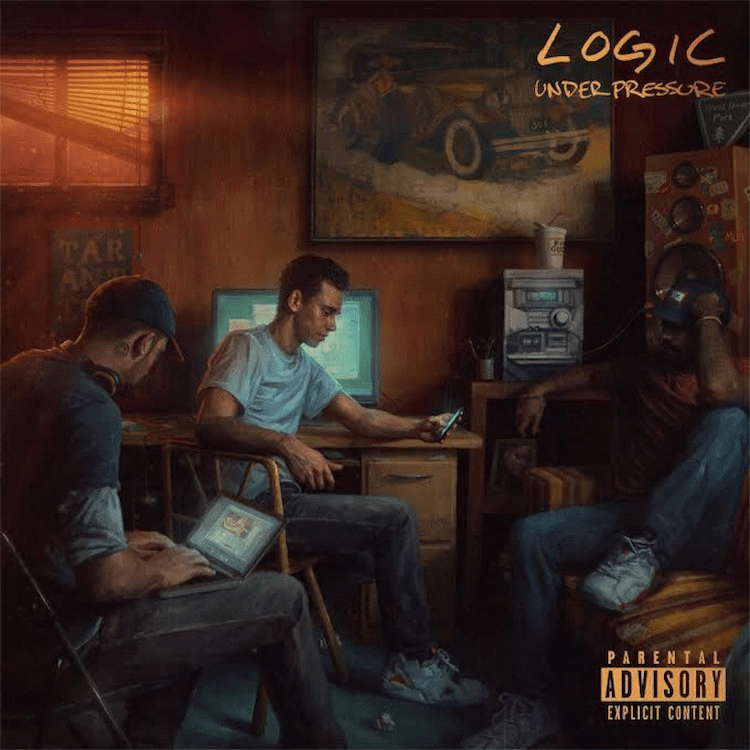
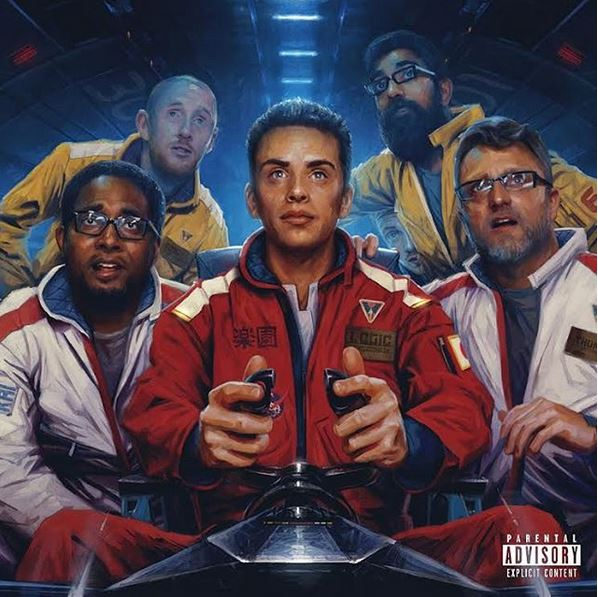
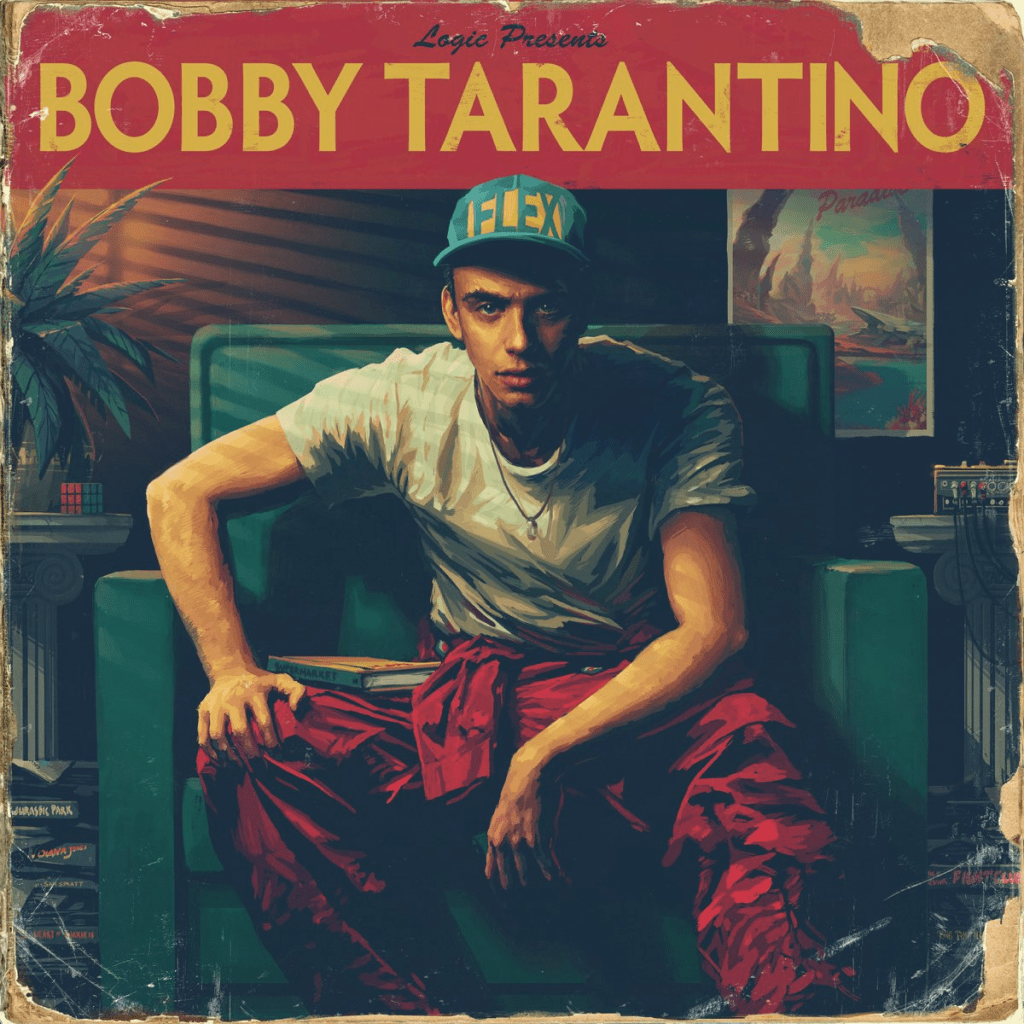





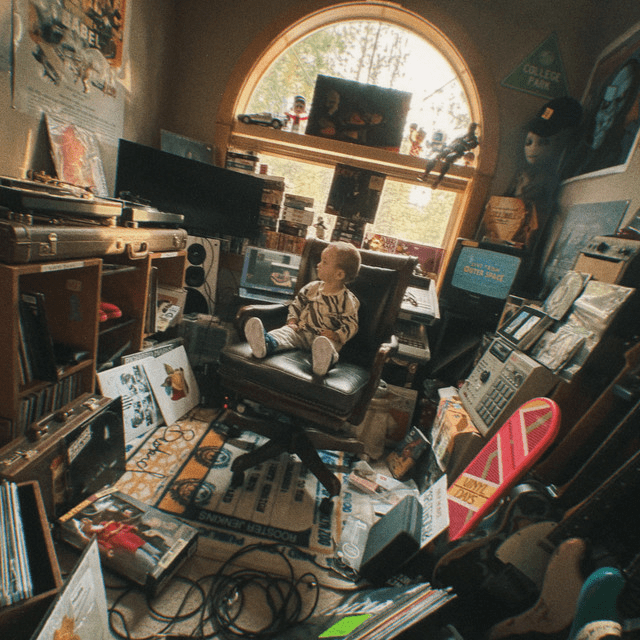





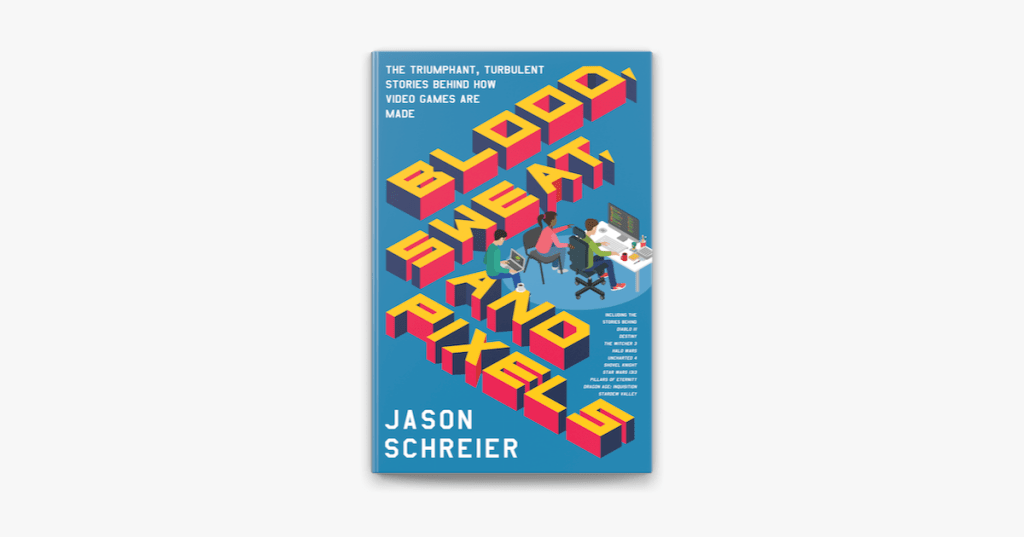
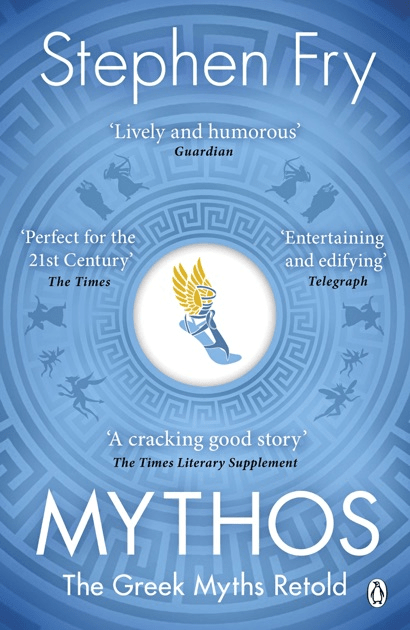
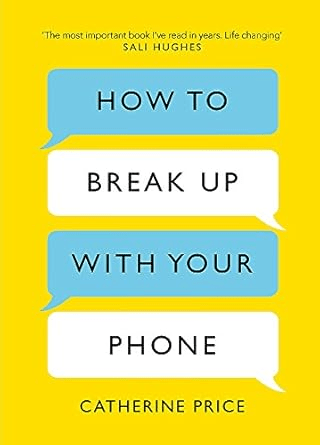


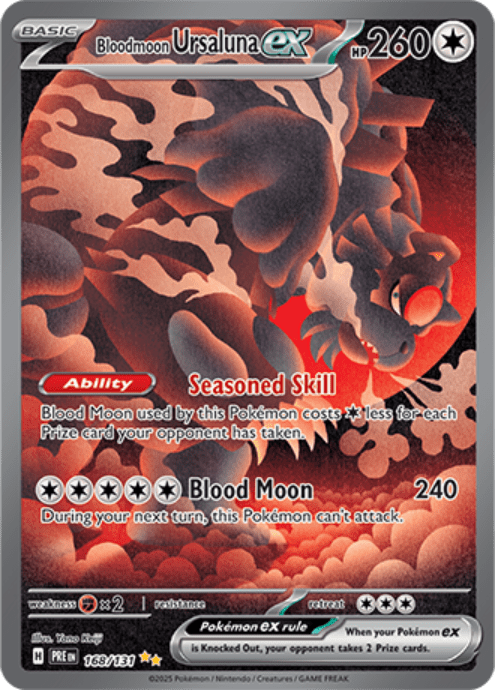





















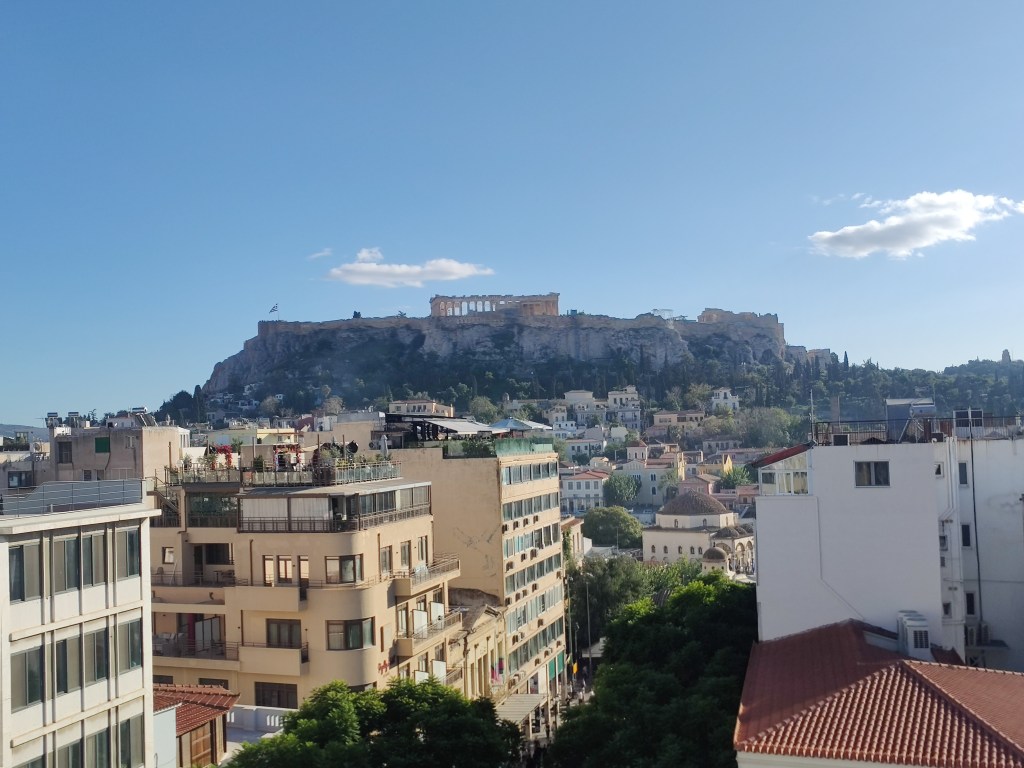






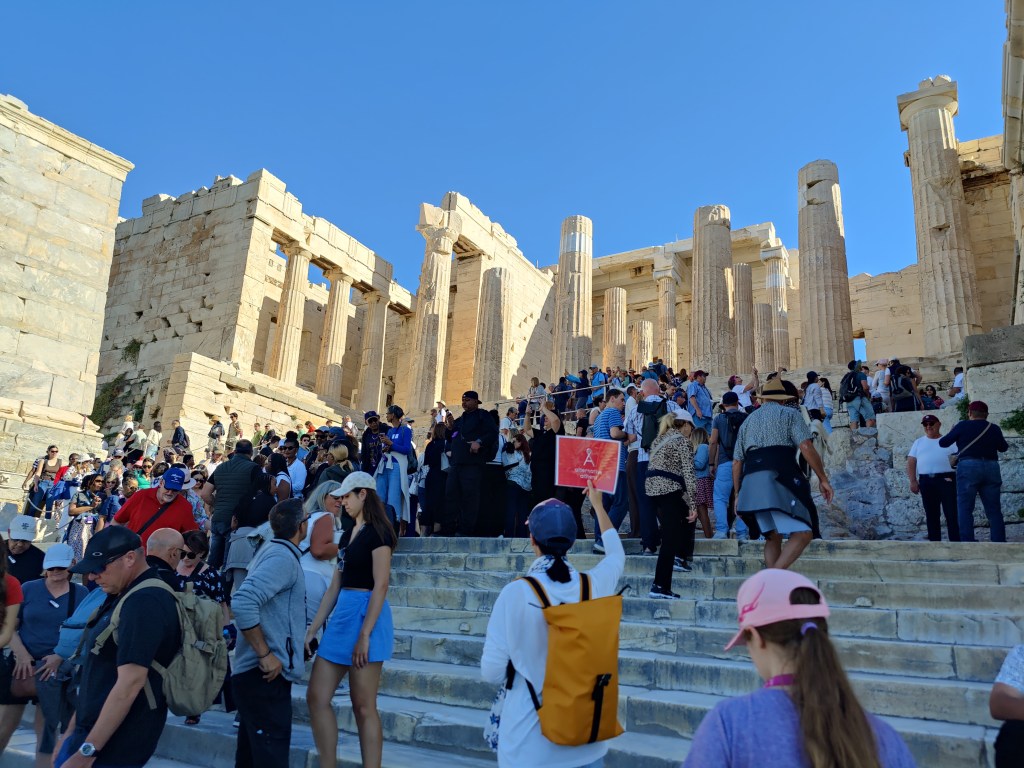

























 The Life of J