
Category: Books

  • Books I Read in 2025 – A Year of Sci-Fi, Self-Growth, Greek Myths & Rediscovering Reading

    Books I Read in 2025 – A Year of Sci-Fi, Self-Growth, Greek Myths & Rediscovering Reading

    Over the last few years, I’ve made a conscious effort to read more. As a kid, reading was my favourite thing in the world — I’d spend hours tucked away in my room, completely absorbed in story after story. But as life got busier, reading slowly slipped out of my routine. Between the ages of 16 and 21, I barely read anything unless I was on holiday, sat by the pool thinking, “Wow, I forgot how much I love this.”

    As I’ve got older (and more aware of how valuable time is), I’ve tried to build reading back into my daily routine. Since 2022, I’ve set myself yearly reading challenges, slowly increasing the number. This year my target was 36 books — ambitious, and I’m not quite on track… but looking back at everything I have read has been so fun.

    I’ve made a conscious effort to mix up genres too. Normally I’m all-in on sci-fi and fantasy, but in 2025 I added non-fiction, philosophy, self-help, and mythology into the mix. It’s been a surprisingly reflective year of reading, and in many ways the books mirror the kind of year I’ve had.

    So, without further ado…

    All the Books I Read in 2025 (With Authors)

    Philosophy

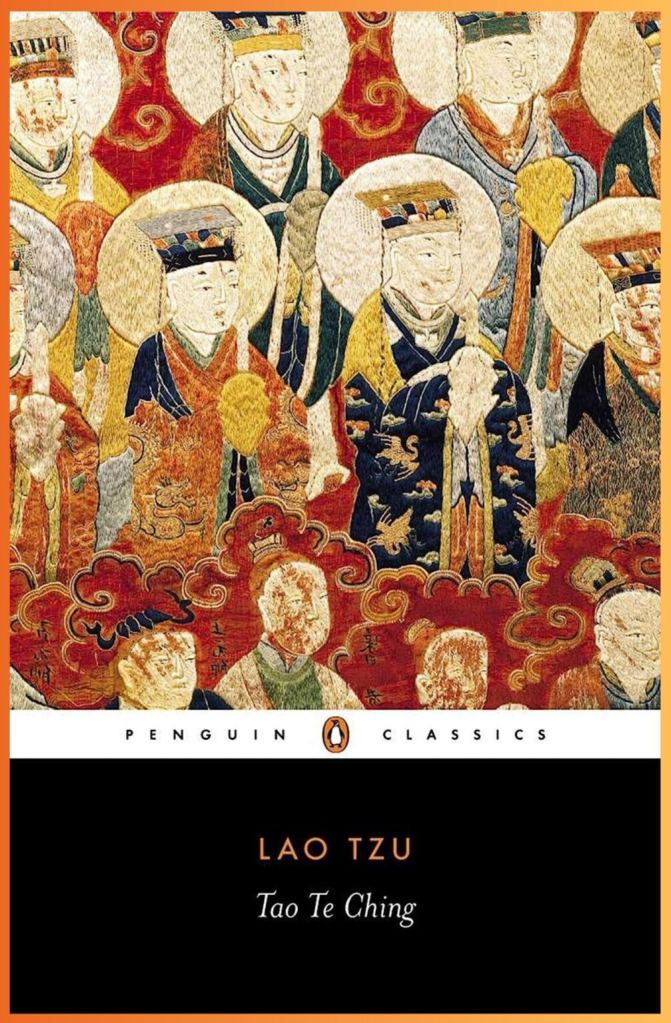
    • Tao Te ChingLao Tzu

    Sci-Fi / Halo Universe

    • Halo: The Fall of ReachEric Nylund
    • Halo: The FloodWilliam C. Dietz
    • Halo: First StrikeEric Nylund
    • Halo: Ghosts of OnyxEric Nylund
    • Halo: Contact HarvestJoseph Staten
    • Halo: Silent StormTroy Denning
    • Halo: OblivionTroy Denning
    • Halo: Broken CircleJohn Shirley
    • Halo: CryptumGreg Bear
    • Halo: PrimordiumGreg Bear
    • Halo: SilentiumGreg Bear
    • Halo: Mortal DictataKaren Traviss

    Cherub Series (Re-reads)

    • CHERUB: The RecruitRobert Muchamore
    • CHERUB: Class ARobert Muchamore
    • CHERUB: Maximum SecurityRobert Muchamore
    • CHERUB: Dark SunRobert Muchamore

    Non-Fiction, Self-Help & Lifestyle

    • How to Build a CarAdrian Newey
    • Joyful: The Surprising Power of Ordinary Things to Create Extraordinary HappinessIngrid Fetell Lee
    • Blood, Sweat, and PixelsJason Schreier
    • How to Break Up With Your PhoneCatherine Price
    • The Neuroscience of Dopamine DetoxDr. Anna Lembke / similar (note: confirm exact author)
    • The 5AM ClubRobin Sharma

    Mythology

    • MythosStephen Fry

    What I Thought of Them – Highlights, Reflections & Surprises
    Starting the Year With Philosophy

    I began the year with Tao Te Ching by Lao Tzu — a book that’s mentioned constantly in discussions about wisdom, balance, and living a more grounded life. I’d seen it recommended so many times that I felt almost obligated to give it a try, especially as someone who’s been actively trying to improve their mindset and outlook on life.

    Tao Te Ching is a short book, but it demands slow reading. It’s poetic, full of metaphor, and often intentionally vague so that readers can find their own interpretations. I genuinely tried to take my time with it, but I found it challenging to connect with. The ideas about harmony, non-action, and the flow of life were interesting, but they didn’t land for me in the way I hoped.

    Still, reading it wasn’t a waste. Even though philosophy clearly isn’t my go-to genre, I’m glad I stepped outside my comfort zone to try something different. Sometimes the value in a book is simply realising more about what does and doesn’t resonate with you.

    My Halo Reading Marathon (And Why I Loved It)
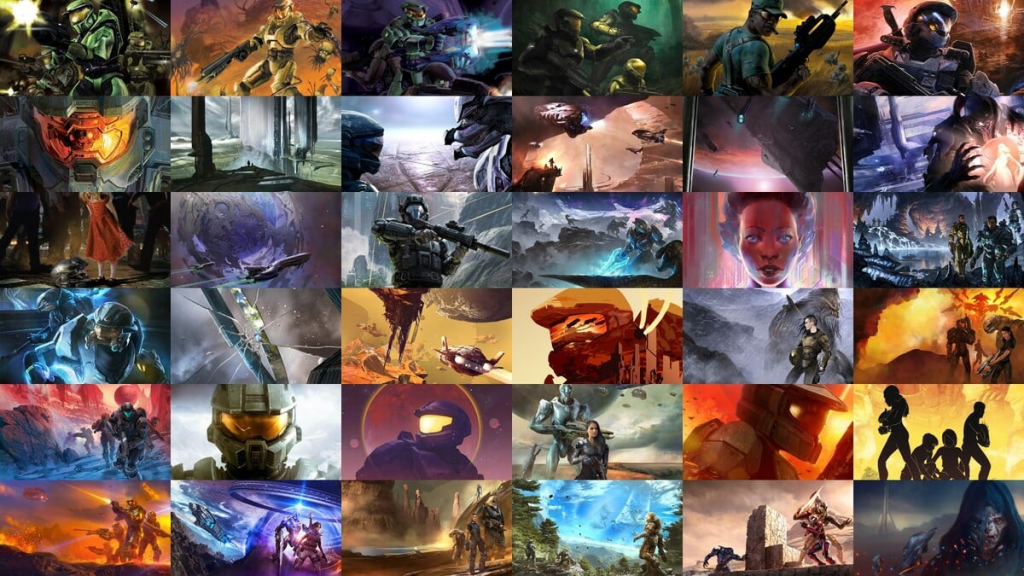
    After finishing the Halo games with my partner over winter, I wanted more lore, more backstory, and more of the universe I’ve loved for years — so diving into the Halo novels felt like the perfect next step.

    If you’ve read my post “My Ultimate Top 10 Favourite Games of All Time” (https://lifeofj.com/2025/07/28/my-ultimate-top-10-favorite-games-of-all-time/), you’ll know the Halo series has a permanent place on that list. It’s a franchise that’s shaped so many of my gaming memories, so experiencing deeper stories and perspectives through the books has been incredible.

    And honestly? They’ve been some of the most enjoyable reads of the year.

    • Eric Nylund’s entries were the standouts, especially The Fall of Reach, which remains one of my favourites.
    • The Forerunner Saga by Greg Bear started slowly for me, but by the final book I was completely drawn in — it massively expanded my understanding of the Forerunners and the origins of the Halo universe.

    Revisiting My Childhood: The CHERUB Series
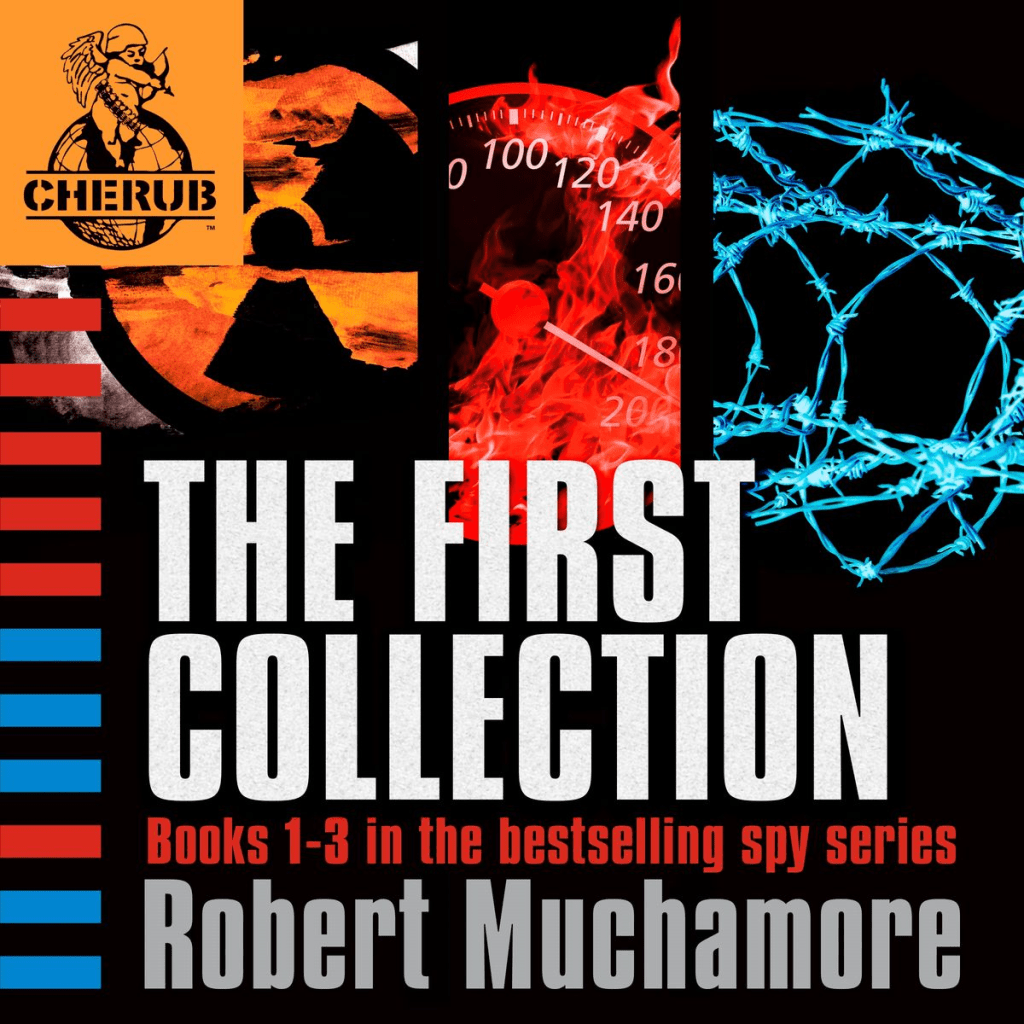
    During spring, I took a break from Halo and returned to a huge part of my reading childhood: the CHERUB series by Robert Muchamore.

    These books were the series that turned me into a reader when I was younger. I remember sitting in my bedroom for hours inhaling them — completely obsessed with the idea of kids being trained as undercover agents, going on missions, solving crimes, and doing things adults underestimated them for.

    Rereading them as an adult was incredibly nostalgic. They were just as fun, fast-paced, and easy to fall into as I remembered. It genuinely felt like reconnecting with an old friend.

    Back then, I also read Muchamore’s Henderson’s Boys series — the prequel set during World War II. I loved the shift in tone and era, taking CHERUB’s world and anchoring it in real wartime events. I never actually finished the whole Henderson’s Boys series as a teenager, so it’s something I’d really like to revisit at some point. There’s something fascinating about seeing the origins of CHERUB and how the organisation was imagined during the war.

    Coming back to these books in 2025 reminded me why they captured me in the first place.

    The Book That Re-Ignited My Reading Habit: How To Build A Car

    When I hit a reading slump mid-year, How To Build A Car by Adrian Newey completely pulled me out of it.

    As I’ve said before (including in my early blog post about my love for F1), motorsport has been a huge part of my life for over a decade. Adrian Newey is someone I’ve admired for years — he’s arguably the greatest Formula 1 designer of all time — so finally getting to read his autobiography felt special.

    What surprised me most was just how detailed and technical the book is.

    • The deep dives into aerodynamics were fascinating.
    • The hand-drawn diagrams showing airflow, downforce, components, and chassis geometry were incredible to look at.
    • I learned so much about how tiny design decisions can completely change a car’s performance.
    • I loved discovering how his brain works — the intuition, creativity, and problem-solving behind some of the most iconic cars ever built.

    But the part that hit me hardest was his candid retelling of Ayrton Senna’s accident.
    Newey explains the technical failure that led to the crash, how the team analysed the data afterwards, and the enormous guilt he carried — and still carries — decades later. Reading that section was genuinely emotional. It gave me a level of insight into the tragedy that I’d never had before, and a new respect for the human side of F1 engineering.

    This book wasn’t just interesting — it made me fall in love with reading all over again.

    Finding Joy Again — Literally
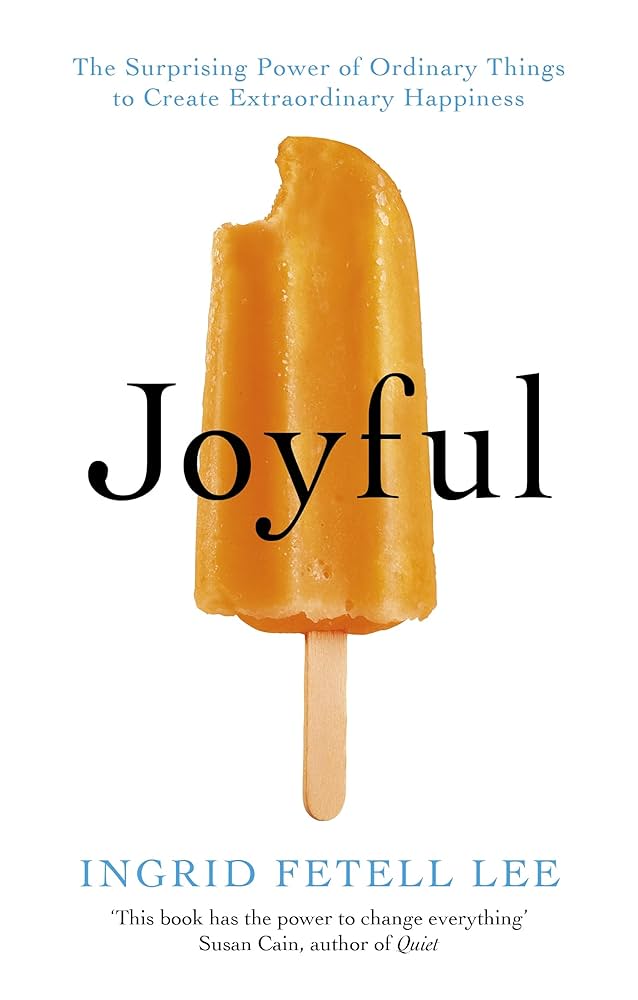
    Book cover of Joyful by Ingrid Fetell Lee featuring bright orange balloons on a white background.

    After that, I picked up Joyful by Ingrid Fetell Lee (full review here: https://lifeofj.com/2025/10/02/joyful-by-ingrid-fetell-lee-a-personal-reflection-and-review/).

    It genuinely changed how I view small pleasures, colour, design, and the spaces we live in. A surprising highlight.

    Holiday Reading in Greece

    As usual, I took a stack of books with me on holiday — and while I didn’t get through as many as I normally do, I still enjoyed a couple of great reads.

    If you want to see the photos, food, ancient ruins, and the biggest mojito of my life, you can read the full blog post here: https://lifeofj.com/2025/11/28/my-trip-to-greece-rhodes-athens-sun-ruins-food-and-the-biggest-mojito-of-my-life/

    Blood, Sweat, and Pixels — Jason Schreier
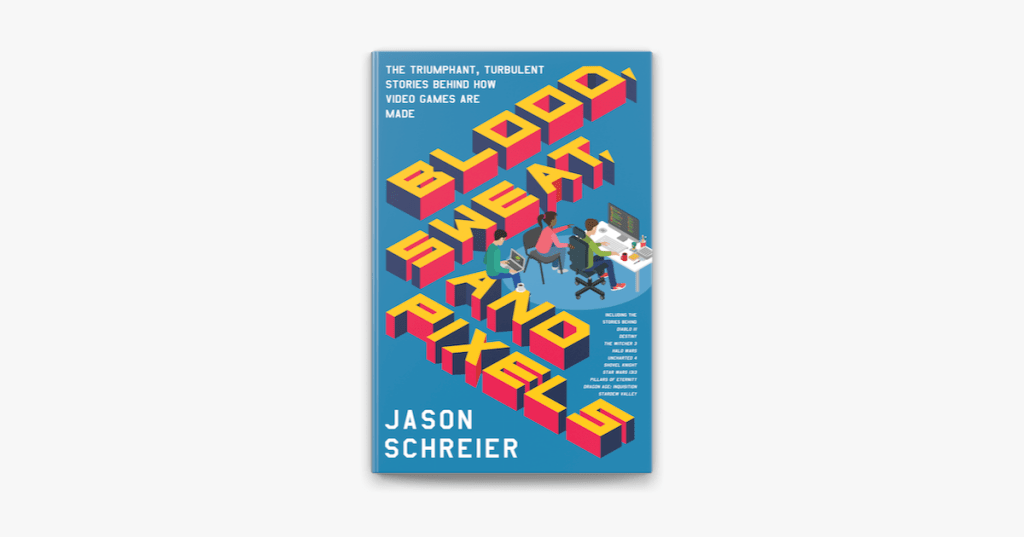
    This book had been on my wishlist for a while, and it absolutely delivered. It’s a brilliant peek behind the curtain of game development — everything from impossible deadlines to studio meltdowns, creative struggles, and miracle turnarounds.
    The chapters on Halo Wars and The Witcher were especially fascinating.

    I also discovered that Schreier has released a follow-up, which immediately went on my wishlist.

    Mythos — Stephen Fry
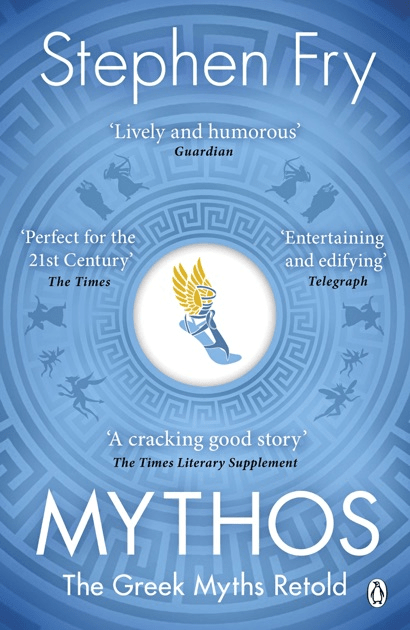
    Since I was literally in Greece, reading about Greek mythology felt like the perfect choice.

    Growing up on Percy Jackson, I’ve always loved the ancient Greek world, and Stephen Fry absolutely nails the retelling. It’s funny, clever, modern without losing authenticity, and an easy recommendation for anyone who loves mythology.

    A Shift in Mindset: Phones, Dopamine & Early Mornings

    Across the second half of the year, I noticed a big shift in how I think about time, distraction, and routine. I’ve become more aware of how much my phone pulls me out of the real world, and how easy it is to spend hours scrolling without really doing anything.

    These three books arrived at the perfect time.

    How to Break Up with Your Phone — Catherine Price
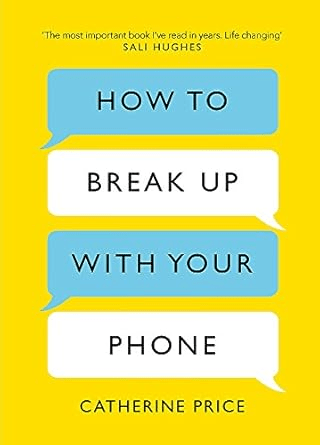
    This book is a mix of neuroscience, psychology, and practical strategies to form a healthier relationship with your phone.
    Some insights that stuck with me:

    • how apps intentionally exploit dopamine cycles
    • how notifications fragment attention
    • the importance of building “phone-free” pockets in the day
    • the value of mindful, intentional technology use

    I didn’t implement every strategy perfectly, but even the ones I tried genuinely helped.

    The Neuroscience of Dopamine Detox

    This book goes deeper into the mechanisms behind dopamine, craving, and reward. It’s not really about “detoxing” — it’s about understanding the neurological patterns that drive compulsive behaviour.
    It helped me understand why things like social media feel so addictive, and gave me a better awareness of when I’m using my phone intentionally vs. reflexively.

    The 5AM Club — Robin Sharma

    The 5AM Club by Robin Sharma was a book I’d had sitting in my Kindle library for ages, and I’m genuinely annoyed I didn’t read it sooner. Even though it’s written in a slightly unusual fictional style, the core ideas really resonated with me. Sharma focuses on how powerful the early hours of the morning can be for clarity, growth, and focus — before the rest of the world wakes up and distractions take over.

    The book’s 20/20/20 formula (20 minutes of movement, 20 minutes of reflection, 20 minutes of learning) felt surprisingly practical. On the mornings when I followed it, I started the day feeling more energised, calmer, and more intentional. It shifted the whole tone of my mornings, making them feel purposeful instead of rushed.

    I’m not perfect at waking up at 5AM every day, but even applying the principles a few times a week has made a noticeable difference. It’s a book I’ll probably revisit every year.

    Winter Reading: Returning to the Halo Universe

    As winter arrived and the nights got colder, my partner and I started talking about finishing Halo ODST and Halo Infinite together before Christmas. That immediately put me back in the mood for more Halo lore, so I picked up the next books in the lineup.

    Halo: Oblivion — Troy Denning

    This one dives deeper into the tension, mystery, and politics surrounding the early years of the Spartan-II program. I loved getting more insight into Chief’s younger years and the dynamics of Blue Team.

    Halo: Broken Circle — John Shirley

    Broken Circle was especially interesting because it takes a break from the usual UNSC perspective and instead focuses heavily on the Covenant’s own internal struggles. Seeing the Sangheili and San’Shyuum politics from the inside added a layer of depth to the universe that the games only ever hint at.

    Both books reminded me why the Halo universe remains one of my favourite sci-fi settings ever. After so many years (and books), there’s still always something new to learn.

    My Favourite Books of 2025

    If I had to pick a top four, they’d be:

    How to Build a Car – Adrian Newey
    Joyful – Ingrid Fetell Lee
    The 5AM Club – Robin Sharma
    Halo: The Fall of Reach – Eric Nylund

    My 2026 Reading Goal

    Next year is going to be extremely busy with work and studying, so I’m setting a more realistic target:

    12 books – one per month.

    Anything more is a bonus, and I’m hoping holidays will give me a chance to catch up.

    Books I’m especially excited to read in 2026:

    • The Art of Creative Thinking – Rod Judkins
    • How to Talk to Anyone About Anything – James W. Williams
    • Brief Answers to the Big Questions – Stephen Hawking
    • The Martian – Andy Weir

    What About You?

    Have you read any of the books I mentioned?
    What did you think of them?
    What were your favourite books of 2025 — and what are you planning to read next year?

    Drop your recommendations in the comments — I’d love to hear them.

  • Joyful by Ingrid Fetell Lee – A Personal Reflection and Review

    Joyful by Ingrid Fetell Lee – A Personal Reflection and Review

    I first stumbled across Joyful by Ingrid Fetell Lee in a Waterstones while browsing, and the title instantly caught my attention. I didn’t pick it up then and there, but the concept of finding more joy in everyday life stuck with me. A few months later, when I’d been feeling increasingly focused on efficiency and “just getting the job done” rather than really enjoying the moment, I finally added it to my reading list.

    This isn’t meant to be a professional review — more of a reflection on the thoughts I had while reading, and how the book made me look at things differently.

    First Impressions of Joyful

    Going in, I wasn’t entirely sure what to expect. I thought it might be light and whimsical, but actually it was much more science-based than I anticipated. That did make it a little harder to read at times, but still approachable. And honestly, I found myself surprised by how often I related to the ideas — sometimes to things I’d never really thought about before.

    The Power of Colour

    One of the first themes that really stood out to me was colour. I’d never really considered just how much bringing more colour into your life can influence joy. Ingrid Fetell Lee writes: “Color is energy made visible. It activates an ancient circuit that links brightness and color with abundance.”

    I like the idea of finding ways to bring more colour into my home while still keeping a minimal style — simple spaces with a striking piece of bright artwork that makes the room feel alive. We’re often told not to rely on material things for happiness, but at the same time, our surroundings clearly influence how we feel. Like everything, it’s about balance.

    This reflection also made me think more about art. I’ve wandered into galleries while on holidays in coastal towns, usually just out of curiosity. I’ve often thought, “I like that one,” without really stopping to ask myself why. Reading Joyful made me pause: is it the colours that draw me in? The textures? Or maybe just the feeling it sparks?

    Nature, Plants, and Rediscovering Wonder

    Lee’s insights on nature really resonated with me. I couldn’t agree more with how much plants brighten up a space. I’d love to have more at home — we’ve tried herbs, and I even built a little DIY rack, but they never last long. Honestly, the only thing we’ve successfully kept alive is the grass outside, and I take great pride in making it green and thick. It sounds silly, but there’s genuine joy in watering it, watching it grow, and seeing it thrive. Plants almost feel alive emotionally — they droop when sad and perk up when happy. They really do make us feel something.

    I also loved Lee’s reflections on sound. I’d always thought of “bringing nature indoors” as meaning plants and light, but sound is just as powerful. I’ve recently started playing rain sounds in the background while I read, and it makes such a difference. It helps me focus, but it also just feels calming, almost like a reset button for my brain.

    Reading Joyful also reminded me of the bigger picture. We live in such a man-made world that it’s easy to forget about the wonders around us — lightning storms, stargazing, the Northern Lights, or even bioluminescent pools. These are things I definitely want to experience more of. It’s too easy to get swept along in daily life and forget to make time for them.

    Play, Creativity, and the Magic of Escape

    When Lee writes about play, it really struck me personally. She explains how it’s one of the only things we do purely for joy. “Play doesn’t fuel us to be more productive. It fuels us to be more present.”

    That’s definitely true for me. I had quite an isolated childhood, mostly playing with my little brothers at home with Lego or made-up adventures. As I grew up, I was praised for being mature, and I leaned into that — but it’s left me sometimes feeling like I’m not much fun. I’ve even been told I can be a bit boring, and I’d partly agree. Reading Joyful reminded me of the happiness I felt running around the playground as a kid, pretending to be a fighter jet, completely lost in imagination. I miss that feeling.

    This also ties into creativity. As a child, I was endlessly creative — writing stories, designing quests for games, inventing little worlds. I still dream of writing a fantasy novel one day, but these days my ideas come much slower, and everything feels more rigid and logical. Lee’s link between joy and creativity made me realise how much I’d like to reconnect with that part of myself.

    Another relatable theme was about individuality — how so many of us choose the “safe” or “normal” path rather than expressing ourselves fully. I can relate to this. At school, I just wanted to fit in, and often made jokes to get people to like me. It worked in the moment, but I never built meaningful friendships. That left me quite isolated later on, unsure of who I really was.

    As I’ve grown older, I’ve become more comfortable being myself — sharing things like my love for Lego, which I once would’ve kept quiet about. And funnily enough, I’ve discovered friends who feel the same way but also never spoke about it.

    Lee’s chapter on treehouses made me smile instantly. Almost everyone has dreamed of having one, right? I remember watching The Simpsons and instantly wanting Bart’s treehouse, even though we had no trees in our garden. Even now, when we go to Centre Parcs, I look at the big treehouses and imagine how fun it would be to stay in one. There’s something magical about them — an escape from everything, a space to just switch off. I think they’d be the perfect spot for a digital detox.

    Escaping Technology and Reconnecting with the Outdoors

    Of course, joy isn’t just about adding things into our lives — it’s also about noticing what gets in the way. One of the biggest culprits, as Lee highlights, is technology. Social media, mobile devices, constant advertising — it’s all designed to keep our attention, and it pulls us away from the real world. It’s easy to forget how good it feels to step outside and just experience fresh air, trees, or even a patch of grass when you spend your whole day surrounded by screens and concrete.

    I’ve written more deeply about this in another post on my blog — Reflecting on My Shifting Relationship with Social Media — where I talk about how platforms are built to keep us hooked, and how that changes the way we spend our time. Reading Joyful definitely tied into those thoughts, reminding me that escaping technology often means reconnecting with the natural world.

    Practical Inspirations from Joyful

    On a practical level, this book has sparked a little interest in interior design for me. I’d love to add some 3D wall art with more colour into my home — keeping the minimal base I like, but adding splashes of vibrancy here and there. Some of it could even be DIY.

    If you’re looking for simple ways to bring more joy into your own space, here are a few ideas inspired by the book:

    • Add a single bold artwork or accessory to a neutral room.
    • Experiment with natural soundscapes (rain, wind, birdsong) to create a calming environment.
    • Keep a “Joy Journal” — just jot down one moment of joy each day, and reflect on why it made you feel that way.

    Small changes like these don’t take much effort, but they can shift the atmosphere of your day-to-day life.

    Final Thoughts on Joyful by Ingrid Fetell Lee

    Looking back, I’m glad I picked up Joyful. It’s been an eye-opening read, helping me notice things I hadn’t before, and giving me a fresh perspective on how to invite more joy into daily life. It’s not a breezy, feel-good book — it’s grounded in science and research — but that made it even more interesting.

    I’d recommend it to anyone who wants to shake up their perspective, rethink their surroundings, and bring a little more joy into their world.

    Have you read Joyful? Or is it one you’d add to your list? I’d love to hear your thoughts — drop a comment below and let me know how you bring joy into your own life.

  • Why I Journal: More Than Just Writing Things Down 

    Why I Journal: More Than Just Writing Things Down 

    If you’d told me a year ago that I’d be someone who journals almost daily, I probably wouldn’t have believed you. But since January 1st, 2025, journaling has quietly become a regular part of my mornings. I don’t have an exact routine—sometimes I’ll jot something down right after waking up, other times it happens after breakfast or just before I start my workday. It all depends on how busy the morning is, but at some point between 7am and 11am, I always manage to fit it in. What started as a typical New Year’s resolution to organize my thoughts has grown into a habit that grounds me, motivates me, and helps make sense of everything going on in my life. 

    How It All Started 

    Journaling wasn’t a totally new idea to me. I’d always liked the sound of it, but I’d never wanted a physical diary—too risky for prying eyes! Still, that new year, I thought maybe it could help me declutter my mind and boost my productivity. I tested out a few different journaling apps (there are loads), but eventually landed on Journey.Cloud, which I’ve ended up really liking and have stuck with for the past seven months. 

    To be honest, those first entries? Awkward. I had no idea what to write, and even found myself googling “journal entry template” just to get started. But after a few weeks, something shifted: the words started coming more easily, and I realized I could write about literally anything—my goals for the week, what I was thinking about, how my day went, or what I’ve got planned next. It became a structure that helped me reflect, plan, and keep my life organized in a way nothing else ever has. 

    What Journaling Does for Me 

    The biggest surprise has been how much journaling helps me actually get things done. I use it to keep myself motivated as I work toward different goals, and to track everything from work progress to finances. Sometimes, when my partner points out something I could do better (as partners do), I write it down—making myself accountable for the next day. When I journal again, I check in: did I actually do what I said I would? 

    It’s become a great tool for reflection, especially for someone like me with a not-so-great memory. Life moves fast, and I realized I want to have a record—a way to look back at all the places I’ve been, things I’ve done, and everything I’ve achieved in a year. Whether it’s a career win, a memorable weekend, or just a string of good days, the process of noting it down helps me actually appreciate it. 

    Another unexpected bonus? Scratching my writing itch. I’ve always wanted to write a fantasy or sci-fi book (I’ve got pages of half-baked ideas), but fiction is tricky, and I only enjoy it when inspiration actually strikes. Journaling has been a way for me to explore that side of myself in a low-pressure way. Sometimes, when a story idea pops into my head, it goes straight into my journal. If nothing else, it keeps me writing, and I’m convinced that practicing in any way I can—journaling included—brings me one step closer to finally tackling that book on my bucket list. 

    How I Journal (and Why It Works for Me) 

    When it comes to how I journal, I’ve found that digital is the only way that really works for me. I’ve never been interested in a handwritten diary—partly because I just don’t enjoy writing by hand, but mostly because I like knowing my entries are private and safely tucked away where nobody’s going to stumble across them. After trying several journaling apps, I landed on Journey.Cloud, which I use on both my phone and laptop, and it’s become my go-to for the past seven months. 

    My journaling “schedule” is pretty flexible, but I do aim for entries most mornings during the week. For example, I might sit down on a Thursday and write about how I handled a difficult conversation at work, or use my entry to break down a financial target and list out the actual numbers I’m aiming for. If my partner mentioned something I need to improve, I’ll jot it down as a specific reminder, and make sure to check in the next day about whether I acted on it. Sometimes I’ll brainstorm about a goal I’m working toward—like saving for a holiday, or prepping for a big project. 

    On Mondays, I tend to write a little more, catching up on whatever happened over the weekend since I usually skip journaling on Saturdays and Sundays. I’ve also found myself using my journal to record creative ideas, especially when I’m struck with inspiration for a story or some world-building for the sci-fi book I hope to write someday. There are even days when my entry is literally just a bullet list of what’s on my mind. What matters is that it’s a space where my thoughts and plans can flow, see the light of day, and not just spin around in my head. 

    Misconceptions & What I’ve Learned 

    A lot of people (my old self included) worry that journaling “the right way” means you have to write every day, or pour your heart out, or fill pages with beautiful prose. The truth is, you can set your own rules. Your journal doesn’t have to have a set length or frequency—it just needs to work for you. The more you do it, the more natural it gets. At first, it might feel forced, but if you stick with it, you’ll find your own rhythm. 

    What I’ve discovered most is that journaling is about being honest with yourself and giving yourself the space to reflect, dream, and improve. It’s not always deep—sometimes it’s just what you had for lunch or your to-do list for the week. But gradually, through these small entries, you get a clearer sense of who you are and where you’re headed. 

    Thinking of Starting? Here’s My Advice 

    If you’ve been thinking about journaling, my advice is: start simple. Write what you feel—don’t stress about eloquence or structure. Try different apps or methods until you find what feels the most comfortable. And don’t worry if you miss days or weeks. It’s not about being perfect. It’s about capturing your journey in a way that makes sense to you. 

    So, Why Do I Journal? 

    It began as a resolution, but journaling has become a daily act of self-care and self-improvement—a place for goals, accountability, memories, and ideas big and small. Maybe you’ve thought about trying it, too. If so, what’s held you back? Or if you already journal, what’s been your biggest discovery? Let’s talk in the comments—I’d love to hear your thoughts.