I know this post is arriving a little later than planned — we’re already well into 2026 — but over Christmas I spent some time reflecting on the year just gone. This ended up taking a bit longer than I expected, thanks to illness and a busy start to the year, but better late than never.
Every year feels important while you’re living it, but some years reshape things in a more lasting way.
2025 was one of those years for me.
Over the course of the year, I went through several major changes — personal, professional, and creative — and by the end of it, I found myself stepping into a new phase of life.
At the same time, 2025 wasn’t just about big moments. It was a year of reflection, reassessment, and quietly working out what I want my life to look like going forward — from how I spend my time, to what I focus my energy on, to the goals I set for myself and how I measure progress.
Looking back now, 2025 feels less like a finish line and more like a turning point — a year that marked the end of one chapter and the beginning of another. That feeling pretty much shaped how the rest of the year developed.
How the Year Unfolded
2025 felt big, but not in a constant or overwhelming way.
I was always aware that something important was coming up later in the year — something that gave the whole year a sense of direction and momentum (more on that later!).
At the same time, I found myself stepping back more than usual to reflect on how I was feeling and what I wanted to change.
I wasn’t enjoying my job, and that dissatisfaction had started to affect me outside of work. It wasn’t something I could switch off at the end of the day, and over time it made me realise how closely my overall happiness is tied to feeling fulfilled in what I do.
Alongside that, I became more aware of a few habits I’d been wanting to work on for a while. Rather than trying to overhaul everything at once, I focused on making gradual changes throughout the year. That slower, more intentional approach made progress feel achievable rather than overwhelming.
By the end of 2025, the year felt less like something I’d pushed through and more like something that had quietly prepared me for change — a reset point rather than a conclusion.
Small Changes That Made a Big Difference
Some of the most meaningful changes I made in 2025 were quiet ones.
One of the clearest was becoming more aware of how much time I was spending on my phone. Over the course of the year, I started using it less and eventually uninstalled Facebook — the final piece of social media I was still using regularly. That change alone made a noticeable difference to my attention and overall mood.
One small habit that had a bigger impact than I expected was leaving my phone on its charger when I was at home, rather than carrying it around with me. That simple change ended up freeing up little pockets of time throughout the day — time that would previously have disappeared into scrolling.
Those small gaps quickly turned into opportunities to do other things, like reading. In that sense, it was a double-sided change. It helped me break a habit I wasn’t happy with, while also making me happier overall by giving me more space to indulge in something I genuinely enjoy and want to do more of.
Alongside that, I noticed a gradual shift in how I approach problems, particularly when it comes to productivity. I started trying to focus less on motivation and more on momentum. The “five-minute rule” — which I’ve written about in more detail here — helped me reframe tasks that I’d usually put off.
Instead of thinking “I really can’t be bothered to do this, I’ll do it later,” I began approaching things from the perspective of “I’ll be glad this is done and off my mind.” I’m far from perfect, but that change in mindset has felt like a step in the right direction.
None of these changes were dramatic on their own, but together they reshaped how I spend my time and energy. Small adjustments, made consistently, ended up making a bigger difference than I expected. That growing awareness carried over into the the choices I made with the projects I’d planned out for throughout the rest of year
Projects I Started — and the Ones I Let Go Of
2025 was a year of starting things — and being honest with myself about which projects I genuinely wanted to put my time into, and which ones I mostly liked the idea of.
Over the course of the year, I started this blog, refreshed my home network, returned to technical learning, and began writing a fantasy novel — two creative projects that ended up becoming far more important to me than I initially expected. Each of these projects gave me something different, whether that was learning, structure, or a creative outlet.
Not everything carried on as planned.
Some ideas — particularly around my homelab and home automation — slowly fell away. I realised I wasn’t enjoying technical projects in my free time in the way I used to. Forcing myself to continue with them was starting to feel like an extension of work, rather than something I looked forward to. Letting go of those projects created space for things I genuinely wanted to spend my time on, like reading and writing.
That realisation eventually led to a bigger decision. Towards the end of the year, I sold my PC — something I’d been quietly thinking about for a long time. It had stopped being something I actively used and had slowly turned into both clutter and a distraction. When I did sit down at it, it was often when I should have been doing something else, something I was consciously trying to improve on.
As I mentioned in one of my first blog posts, I hadn’t really been using it for years. In hindsight, some of the projects I’d been planning were less about genuine interest and more about finding a reason to keep it around.
That’s not to say I’m done with homelabbing or gaming entirely. I still have my Xbox and enjoy using it casually now and then, and I’ve kept my Home Assistant Green for whenever the home automation itch returns. If I do want to explore more virtualisation work in the future, I’ll likely look to host things in the cloud instead.
The projects I did work on earlier in the year ended up helping me secure a new job towards the end of the year, which is something I’m incredibly grateful for. Even though not everything was seen through to completion, those efforts still paid off in ways I didn’t fully appreciate at the time.
Looking back, I don’t see the projects I didn’t finish as failures. They helped me learn what I enjoy right now, and just as importantly, what I don’t. In that sense, choosing to stop was just as intentional as choosing to start.
Rediscovering Writing and Creativity
Writing made its way back into my life almost by accident.
What actually started off as an idea for a technical project — building a simple website to self-host — quickly became something much more personal. As I began writing regularly, it became clear that the creative side of the project mattered far more to me than the technical challenge ever did.
I’ve always enjoyed writing, even if I haven’t always made time for it. Growing up, I loved reading and drawing, and I even wrote short stories and fanfiction as a teenager. As I got older, that creative spark faded into the background. Ideas still came to me, but they rarely went anywhere. They lived in notes, half-finished documents, and sprawling files that I’d add to every now and then, without ever really doing anything with them.
Starting the blog changed that.
For the first time, writing became something consistent rather than occasional. Over the course of the year, I published 24 posts, wrote over 56,000 words, and saw more than 600 views. Not because of reach or validation, but because it gave me the fire to keep going. It was genuinely exciting to know that people were actually seeing what I was writing — and even better, that some of them liked it. By the end of the year, the blog had picked up 4 subscribers and over 30 likes, which was far more than I ever expected.
I went into it assuming nothing would really come of it beyond being a creative outlet for myself. Instead, it became something I actively looked forward to working on, something I genuinely enjoyed building and returning to week after week.
That renewed sense of creativity naturally spilled into something bigger. Towards the end of the year, I began working on a fantasy novel — something I’d thought about for a long time but never seriously attempted. It felt like a natural extension of writing more regularly and finally giving myself permission to explore ideas properly.
Looking back, rediscovering writing wasn’t just about producing words. It was about finally getting all of those ideas out of my head and onto the page — about taking the worlds I see in my imagination and starting to shape them into something tangible. I don’t just want to write a book. I want to create a world.
Hobbies, Joy, and Slowing Down
As much as 2025 was a year of reflection and change, it was also a year where I gave myself permission to slow down and enjoy things again.
A lot of that joy came from fairly simple routines. Watching Formula 1 when it was on at the weekends, reading more consistently, and writing all became small but important anchors throughout the year. They gave structure to my free time and something to look forward to, especially during periods when other parts of life felt more uncertain.
Karting also made an appearance a couple of times throughout the year. It’s something I’ve always enjoyed and have dipped in and out of over time, and 2025 reminded me how much I’d like to make space for it more often.
Writing, in particular, became a constant. It wasn’t just a creative outlet — it was something that helped keep me grounded and gave me a sense of momentum when I wasn’t enjoying work. Sitting down to write, even briefly, felt like time well spent.
Interestingly, I didn’t add many new LEGO sets to my collection this year. I did, however, finally pick up the UCS Jabba’s Sail Barge — a set I’d had my eye on ever since seeing it in person at the LEGO Store at the beginning of last year. Alongside that, I started downsizing parts of my collection, selling some duplicate sealed sets and finally letting go of empty boxes I’d been holding onto.
That shift felt less like missing out and more like choosing space — both physically and mentally.
At the beginning of the year, I also spent a lot of time reading about home automation and smart home ideas. While that interest never fully turned into projects at home, I don’t see that as a negative. I enjoyed learning about it, and not every interest needs to lead to something tangible to be worthwhile.
Overall, 2025 helped me rethink how I spend my downtime. Slowing down didn’t mean doing less — it meant doing things more deliberately, and choosing enjoyment over obligation.
Money, Balance, and Being More Intentional
My relationship with money shifted slightly in 2025 — not in a dramatic or restrictive way, but in how consciously I thought about it.
I became more aware of where my money was going and why. That didn’t mean cutting out everything I enjoy, but it did mean pausing more often before spending and asking whether something would genuinely add value to my life or simply add clutter.
A big part of that shift came from wanting a calmer, more intentional living space. Downsizing parts of my LEGO collection and being more selective about what I brought into the house wasn’t about losing interest — it was about creating room, both physically and mentally.
I also started prioritising experiences more than material things. Holidays, trips, and shared experiences began to feel like better uses of money than accumulating more stuff. It wasn’t about choosing one over the other entirely, but about finding a balance that felt right for where I am now.
Alongside that, I made a conscious effort to get my finances back on track. I focused on catching up with my savings goals and building a bit more stability, which gave me a greater sense of control and peace of mind as the year went on.
By the end of 2025, money felt less like something I was reacting to and more like something I was thinking about deliberately. That mindset shift has carried forward, and it’s something I plan to build on further as I move into the next phase of life.
Looking Back at the Goals I Set for 2025
At the start of 2025, I set myself a handful of goals — not as rigid targets, but as rough markers for the kind of progress I wanted to make over the year.
Some went exactly to plan. Others didn’t. And a few changed shape entirely as the year unfolded.
One of my biggest priorities was getting my savings back on track, and I’m really happy to say I achieved that. Reaching that goal brought a sense of relief and stability that carried through the rest of the year, and it laid a solid foundation going forward.
I also set out to achieve Network+. I completed the training but never actually booked the exam. At one point, that might have felt like a failure, but in hindsight, I’m comfortable with it. The training itself was valuable, and following a change in career direction, taking the exam no longer felt as important as it once did.
Reading was another goal I didn’t quite hit numerically. I aimed to read 36 books over the year and ended up reading 24. That said, I’m still really pleased with that number — especially considering I stopped reading entirely for a few months at one point. Reading more consistently than I had in previous years felt like a win in itself.
Reducing my screen time to under two hours a day proved difficult. I didn’t quite manage it, but I did make meaningful progress. I became far more aware of how I use my phone and continued working on reducing that time, which feels like a positive trend rather than a missed target.
I also wanted to start a weekly journal, writing a short summary each Friday. That didn’t happen consistently, largely due to limited time. Rather than forcing it, I chose to prioritise writing blog posts and working on my novel instead — something that felt like a better use of my creative energy.
Finally, I planned to continue my Italian lessons on Duolingo, but I eventually stopped. I struggled to find a routine that made it sustainable alongside everything else I had going on. It’s something I’d like to return to at some point, but for now, it made sense to focus on other areas of learning.
Looking back, I don’t see the goals I didn’t fully achieve as failures. They gave me structure, helped me stay mindful of what I wanted to work on, and — just as importantly — showed me where my priorities shifted over the course of the year.
Closing Reflections: Stepping Into a New Phase of Life
Looking back, 2025 gave me a lot to be grateful for.
There were moments of joy, moments of uncertainty, and plenty of time spent figuring things out as I went. Some of the year’s highlights were obvious at the time, while others only really make sense in hindsight. Together, they shaped what ended up being a genuinely meaningful year.
The year wasn’t without its difficult moments either. We lost our cat in 2025, and saying goodbye was far harder than I expected. It was a quiet but powerful reminder that not all change comes with momentum, and that some moments simply ask you to pause and reflect.
One of the defining aspects of 2025 was reaching a major personal milestone that marked a clear transition into a new phase of life. I married my long-term partner in a beautiful ceremony with our friends and family, and it was truly one of the best days of my life.
In a year of big events like getting married and starting a new job, there were also countless smaller moments that mattered just as much — trips, shared experiences, quiet routines, creative progress, and the simple satisfaction of feeling more aligned with myself than I had been at the start of the year. I also bought a new car — a nice upgrade from my old banger that I learned to drive in all those years ago — which felt like another small marker of change.
What I appreciate most about 2025 is how it helped me slow down, reassess, and make more intentional choices. It was a year that quietly laid foundations rather than chasing outcomes, and I’m grateful for that.
As I move into 2026, I feel optimistic and determined. I want to focus on being consistent, following things through to the end, making the most of opportunities, and ultimately getting as much out of life as I can. More than anything, I want to make memories and continue building on the foundations that 2025 helped put in place.
Final Thoughts
Writing this has been a reminder of just how much can change over the course of a year — sometimes quietly, sometimes all at once.
If there’s one thing 2025 reinforced for me, it’s the value of slowing down, reflecting, and being intentional about where time and energy go. Not everything needs to be optimised or rushed. Some things just need space to grow.
If you’ve made it this far, thanks for reading — I genuinely appreciate it. I’d love to know what 2025 looked like for you. Did it feel like a year of change, a reset, or something else entirely?
If you enjoy reflective posts like this, feel free to explore more of the blog, or subscribe to follow along as I head into 2026. There’s plenty more to come.
I’ve been listening to Logic since early 2020, when Spotify first recommended Keanu Reeves to me. I had that song on repeat for hours — it ended up becoming the soundtrack to a big moment in my life as I moved out of my parents’ house for the first time. Since then, Logic’s music has been tied to so many memories that writing this post felt long overdue.
Most of my listening has been on Spotify, so when I decided to rank his discography I did a bit of digging — and realised there were a bunch of early mixtapes and projects I’d never even heard because they aren’t on streaming. Discovering those for the first time has genuinely made me appreciate his journey and growth even more.
Before we jump into everything, just a quick note: Logic puts out both albums and mixtapes, and until recently I didn’t actually know the difference myself.
Here’s the simple version:
Albums are the polished, official releases — more structured, more intentional, often following a theme or story.
Mixtapes are looser and more experimental. He samples freely, switches styles, and just has fun with it. They show the early raw talent that shaped everything he did later.
This post isn’t a professional review — it’s just my personal thoughts, feelings, favourite tracks, and what stood out to me as I listened through every project he’s ever released.
So… let’s get into it.
Psychological (2009)
Before he was Logic — this is where everything began.
Before the world knew him as Logic, Bobby Hall released this early mixtape under the name Psychological. At the time, his life was still incredibly unstable: a difficult home environment, no money, no real support system, and pretty much no path forward except the one he was trying to carve out through music. He was recording wherever he could, teaching himself everything from scratch, and just trying to stay afloat while figuring out who he was as an artist.
What makes Psychological so interesting is how clearly you can hear the spark, even though the project itself is unpolished. The production is rough, the mixes are uneven, and you can tell he didn’t have the resources he’d later gain — but the raw talent is there immediately. There are moments where his voice, flow, and tone already sound like the Logic we’d eventually get on later mixtapes and albums, which honestly surprised me considering how early this was.
The mixtape bounces through different styles as he experiments and tries to find his lane, and that actually makes it a really fun listen. You can hear the Eminem influence, the storytelling instincts, and the hunger to improve. It feels like you’re listening to someone building the foundations of their future career in real time.
For me, The Dream is the clearest example of that potential. It has a maturity and focus that stands out from the rest of the tape, and it feels like the first time we get a real glimpse of the artist he was going to become. It’s easily the standout moment and the one that stuck with me the most.
For a first mixtape made under tough circumstances, Psychological is surprisingly compelling — not because it’s perfect, but because you can hear the beginning of everything that would come after it.
Standout Track:The Dream Overall: 7/10
Young, Broke & Infamous (2010)
The moment Logic started to break through.
By the time Young, Broke & Infamous came out, Logic’s life was still far from easy. He was broke, bouncing between living situations, and completely focused on trying to escape the environment he grew up in. But this was also the era where he became far more serious about making music a real career. He’d finally settled on the name Logic, started building a small online following, and was beginning to attract the attention of the underground hip-hop scene.
What stands out most about this mixtape — right from the first listen — is how huge the jump in quality is compared to Psychological. The production feels cleaner, he sounds more confident, and everything has a much clearer sense of direction. You can tell he’s starting to find his identity rather than just experimenting.
This is also the first time the Young Sinatra persona really appears, and it’s honestly one of the biggest surprises of the project. The smooth, laid-back flow and Sinatra-inspired style feel fully formed, even at this early stage. It’s easily one of my favourite moments on the mixtape, and the track has stuck with me well after listening.
The tape also shows Logic becoming more playful and comfortable with sampling. The flip of Billie Jean on Wordplay is so natural and fun, and it feels like the first time he really leans into the clever, bouncy style that would become a huge part of his later sound. It’s one of those tracks where you can hear the spark of what he would eventually become.
What I love about this mixtape is how it captures Logic right on the edge of something — still young, still improving, but suddenly taking huge strides. You can feel the hunger and the belief starting to kick in. And you can also feel why people started paying attention; this was the project that first got blogs talking and ultimately led to the early industry interest that helped launch his career.
Standout Track:Young Sinatra Overall: 7.5/10
Young Sinatra (2011)
The moment Logic truly found his sound.
With Young Sinatra, everything suddenly clicked for Logic. By this point, he had signed with Visionary Music Group, was performing more consistently, and was finally getting support from people who believed in what he was doing. His life was still far from comfortable, but for the first time he had momentum — and you can hear that confidence all over this mixtape.
What immediately stands out is how dramatically the sound evolves from his earlier work. Logic leans heavily into jazz, soul, and old-school hip-hop influences, and the shift suits him perfectly. This is where the Young Sinatra persona truly comes to life — smooth, nostalgic, soulful, and far more refined than anything he’d made before. It feels like he discovered a style that genuinely fits him, and he runs with it.
One of the biggest surprises for me while listening was just how strong some of these tracks are so early in his career. One is honestly one of my top Logic songs across his entire discography; the blend of musical styles is beautiful, and it’s still a track I return to years later. The same goes for All I Do — an absolute banger, iconic within the fanbase, and wild to think it was created at this stage of his career. I first heard both of these on The YS Collection, so hearing them in their original context really highlighted just how impressive this mixtape is.
I also found myself loving the little touches throughout the project — skits like Sell Out Records that are funny but still fit the upbeat vibe of the mixtape, and stylistic experiments like Beggin, which absolutely blew me away. The sample choice is insane, and I genuinely can’t believe I hadn’t heard it before; it’s easily one of the standouts for me.
Not everything is perfect — I liked Mind of Logic, but the feature didn’t fully land for me, and Stewie Griffin felt slightly out of place stylistically. Still, the overall cohesion of the project and the insane sample selection more than make up for those minor dips. The entire tape just feels alive, creative, and confident.
What impressed me most is how timeless a lot of this music feels. The sample choices, the jazz influence, the warm soulful production — it’s all aged incredibly well, especially for a mixtape made this early in his journey.
Standout Track:Beggin (though One and All I Do came close) Overall: 8.5/10
Young Sinatra: Undeniable (2012)
Logic proving he wasn’t just promising — he was undeniable.
By the time Logic dropped Young Sinatra: Undeniable, things in his life were starting to shift. He was touring more, building a real fanbase, and finally seeing the payoff from all the grinding he’d been doing throughout his teens. But with that momentum came pressure — he’s talked a lot about how this was the era where he felt the weight of expectation for the first time. He wasn’t just trying to be heard anymore; he was trying to prove he deserved the attention he was getting.
This mixtape feels like the moment he leans fully into that mindset. It’s bigger, more polished, and more confident than anything he’d released before. The production is cleaner, the storytelling sharper, and the whole vibe feels like Logic levelling up in real time. It’s also the project that really solidified the Young Sinatra identity in the eyes of fans — lyrical, soulful, introspective, and rooted in classic hip-hop energy.
A lot of the tracks I already knew from The YS Collection, and hearing them in their original context made me appreciate them even more. The opening track, Inception, immediately sets a strong tone, and Dead Presidents III is peak Logic — lyrically sharp, confident, and one of his most iconic early songs. It’s the kind of track that just screams hunger.
What really stood out to me during this listen was how consistently enjoyable the mixtape is. Set The Tone was a pleasant surprise, one I hadn’t heard before, and it instantly became one of the highlights. The Spotlight is another favourite — upbeat, smooth, and exactly the kind of track that makes the Young Sinatra era so fun to revisit.
We Get High is still one of my favourite YS-era songs, and hearing it here reminded me again just how special this early run of Logic’s music really is. There’s something raw but warm about these tracks that feels completely unique to this period of his career.
The skits continue to add personality too — ThirstMail gave me a good laugh, especially as a callback to the earlier skits from the first Young Sinatra mixtape. It’s silly in a charming way and fits the vibe perfectly.
Not everything hit for me — Aye Girl was one of the weaker tracks, and felt a little out of place compared to the rest of the tape. But moments like Do Ya Like more than made up for it; the smooth R&B influence, the impressive lyricism, and yes — that sample (which I’m pretty sure is Adele!) — made it one of the standout discoveries for me.
What I loved most about Undeniable is how heartfelt it is. Logic shares more of his personal story here, and the mixture of confidence and vulnerability makes the whole mixtape feel grounded and genuine. Ending the project with World Wide, featuring clips from fans all over the world, was a really sweet touch — a reminder of how much impact he was already starting to have.
Standout Track:We Get High (with Set The Tone and Do Ya Like as close runners-up) Overall: 7.5/10
Young Sinatra: Welcome to Forever (2013)
Logic’s breakout moment — the mixtape that put him on the map.
Young Sinatra: Welcome to Forever marks a huge turning point in Logic’s career. By this stage, he had fully settled into the Visionary Music Group family, was gaining real traction online, and had just started selling out shows on tour. There was a sense of momentum around him that hadn’t existed before — and this mixtape was the moment he went from “promising underground rapper” to someone the industry genuinely had to pay attention to.
This project was received massively well in the hip-hop blog era. It was downloaded millions of times, praised for its polish and maturity, and was even described by some outlets as “album-level quality” — which is wild for a free mixtape. It’s also the project that led to Logic signing his record deal with Def Jam later that year. So even though it’s still technically a mixtape, it feels like the closing chapter of his come-up.
For me, listening to this after going through the earlier tapes highlighted something interesting: by this point, the Young Sinatra sound is extremely refined, but it also starts to feel a bit familiar. Not in a bad way — more like Logic had perfected this version of himself. But it meant some tracks didn’t hit me as strongly on first listen.
The opening didn’t grab me as much as I expected. Welcome to Forever felt more like a closing track than an introduction, and it didn’t set the tone in the way his previous opens did. I found myself waiting for the mixtape to really kick in — and it eventually did, but a little later than usual.
Once it hits its stride, though, it really hits. 5AM was the first track that properly landed for me, probably helped by the fact I’d already heard it before. It has that confident, sharp Logic energy that defined this era. Break It Down also stood out — darker and moodier, and I assumed (pretty accurately) that this reflected the stress and pressure he was under at the time. This was the period where the expectations were high and the grind was intense.
One of the best moments on the mixtape is Ballin — an absolute classic. Even years later, this feels like peak mixtape Logic: hungry, confident, celebratory. It’s one of those tracks that hasn’t aged a day.
There are other great pockets too. Walk On By is another standout with a nostalgic feel that fits the YS identity perfectly, and The High Life and Man of the Year help round out the softer, more reflective side of the mixtape. But listening to all the YS projects back-to-back does make this one feel a bit familiar — maybe because the formula was now well established, or because the earlier tapes had the excitement of discovery.
Still, this mixtape represents Logic at a real peak in terms of craft, confidence, and recognition. It’s polished, ambitious, and clearly the work of an artist ready to take the next step — which he would do immediately after with Under Pressure.
Standout Track:Ballin Overall: 7.5/10
Under Pressure (2014)
Logic’s official debut — the album that defined him.
By the time Logic released Under Pressure, everything in his life had changed. He had just signed to Def Jam, moved out of the instability he grew up in, and was suddenly in a position he had spent years dreaming about but had never actually experienced: real resources, real pressure, and a real audience waiting to hear what he had to say. This was the moment he needed to prove himself — and he absolutely delivered.
Under Pressure is one of those rare debut albums that feels both polished and deeply personal. It doesn’t try to create a radio-friendly persona or chase trends. Instead, it leans heavily into the things that made his mixtapes resonate: storytelling, honesty, vivid details about his upbringing, and a rawness that makes the album feel almost autobiographical.
One thing I loved revisiting in this album is how the introduction of Thalia instantly sets a different tone. It feels like Logic is inviting the listener into a world — not just a collection of songs. Even though he experimented with skits earlier in his career, this is the first time they’re woven into a larger narrative, and it sets the stage beautifully.
There are so many standout tracks on this album that it’s difficult to know where to begin. Under Pressure itself is one of the strongest songs Logic has ever made. The beat switch, the flow, and the storytelling are incredible — the way he brings his family members’ perspectives into the narrative is intimate, emotional, and genuinely powerful. It’s the kind of track that stays with you.
The album is packed with favourites: Soul Food, Gang Related, Buried Alive, Bounce — all of them stand as some of his best work. Revisiting these after exploring his mixtapes made me appreciate them even more. You can hear how much he grew, but also how consistent his voice has always been.
I’ve always thought Nikki was such a clever concept, giving nicotine a real persona and turning addiction into a relationship metaphor. Even knowing the twist, it still hits hard.
Till the End is the perfect closer to the standard edition — uplifting, hopeful, and exactly the kind of tone you’d expect from someone finally stepping into the future he’d been chasing for years.
Then there’s the deluxe edition, which adds three more tracks — Driving Ms Daisy, Now, and Alright — and they genuinely enhance the album rather than feeling tacked on. Driving Ms Daisy might be the standout here, and I think Childish Gambino is the perfect feature; their flows work together so well. Now didn’t hit quite as hard for me personally, but even then it’s far from a weak track — the bar was just set extremely high by the rest of the album.
What really makes Under Pressure so special is how human it feels. It’s honest, vulnerable, confident, and technically sharp all at once. For a debut album, it’s ridiculously impressive, and still one of his strongest projects to date.
Standout Track:Under Pressure Overall: 9/10
The Incredible True Story (2015)
Logic’s most creative leap — a cinematic world built around an album.
If Under Pressure was Logic proving himself, The Incredible True Story was him letting his imagination run wild. This was a completely different chapter in his career. He was finally living comfortably for the first time in his life, had the freedom to experiment, and used it to build something far more ambitious than a standard hip-hop album. Instead of sticking to a formula, he created a sci-fi narrative universe, wrote characters, built lore, and blended it all into a concept album that feels genuinely cinematic.
At this point in his life, Logic was obsessed with filmmaking, storytelling, and world-building. He’s talked openly about how movies and anime shaped this record, and you can hear that influence all over the album. The skits, the characters (Kai and Thalia especially), the pacing — it all feels crafted, like he was directing something rather than just recording music.
And honestly, this album might be my favourite thing he has ever made. I’ve lost count of how many times I’ve replayed it. The sci-fi framing, the immersive world, the conversations between characters — everything clicks. He does such a good job of building this future setting in such a short time that the listener becomes part of the journey almost instantly.
The opening track, Contact, sets the scene perfectly and transitions beautifully into Fade Away. It’s such a strong start — confident, smooth, atmospheric. I also love that there’s a version of Fade Away he performed with Norah Jones on her podcast; it’s amazing and adds a whole different emotional tone to the song.
One of my favourite moments on the album is Innermission — it’s calm, reflective, and Lucy Rose adds such a soothing layer to it. But Lord Willin’ has probably become my favourite track overall. It’s just a perfect upbeat, feel-good song. Driving with the windows down, blasting that track… it’s a vibe every time.
The entire album feels like a journey — both musically and narratively. Even tracks I don’t revisit as often, like Upgrade, only feel “weaker” because the rest of the album is so strong. Paradise gives me big Young Sinatra-era vibes, while Never Been feels thoughtful and almost mournful in parts. And Run It brings the energy right back up again.
One thing I love about TITS is how the mood shifts naturally without breaking the flow of the story. City of Stars, for example, is such a reflective moment — hopeful, emotional, and beautifully delivered. It’s one of those songs that hits differently on every listen.
Overall, the album is cohesive, immersive, and incredibly fun. It shows Logic not just as a rapper, but as a storyteller with a huge creative vision. And even now, years later, the world he built with this album still feels unique in his discography.
Standout Tracks:Lord Willin’ and Innermission Overall: 9.5/10
Bobby Tarantino (2016)
Logic taking a breather — and showing off another side of himself.
After the huge conceptual swing of The Incredible True Story, Logic wanted to do something lighter, less serious, and more fun — and that’s exactly where the Bobby Tarantino era came from. This was a time where he was experimenting with his sound, enjoying his success, and giving himself permission to make music that didn’t have to carry deep meaning or narrative weight. He’s said before that BT was designed to be the music you play in the car with the windows down, not something to analyse line by line.
You can hear that shift straight away. The mixtape opens with Flexicution, which hits like a reintroduction — loud, confident, playful, and clearly not part of the philosophical, story-driven world he built on his albums. It’s a reminder that Logic can still make hype tracks when he wants to.
The whole project has that looser, carefree energy. The Jam didn’t fully land for me — the autotune felt a bit too artificial for my taste — but the beat is solid. Slave II also sits in that “okay” category: enjoyable enough, but nothing that really stuck with me afterward.
One thing the mixtape does really well is the skits. This project continues that playful thread from the Young Sinatra days, and the tone fits perfectly. It’s clear this tape is meant to be fun.
There are some strong highlights, though. Wrist is a great track and shows that even when Logic is in “fun mode,” he still brings quality. Super Mario World is another standout — catchy, quirky, and clearly inspired by the game in a way that doesn’t feel gimmicky. It’s just fun, and Logic sounds like he’s genuinely enjoying himself.
A moment I really appreciated was Studio Ambience at Night: Malibu. It’s such a cool little insight into what the studio atmosphere was like during this era. When I first heard it, I didn’t actually realise it was teasing his next project — but knowing that now gives it a retroactive charm.
The biggest moment on the mixtape, by far, is 44 Bars. It’s darker, sharper, and more focused — a sudden shift from the carefree energy of the rest of the tape. It’s one of those songs that reminds you exactly why Logic is respected as a rapper. The subject matter dives into his pressures, insecurities, and frustrations — a quick but powerful window into what he was dealing with behind all the fun.
Slave is another strong entry, even if it felt a little odd hearing it after Slave II — maybe that’s just my brain wanting the sequencing to be tidier. Deeper Than Money, however, didn’t quite hit for me. The beat felt a little flat, and even though Logic’s flow was solid, it just didn’t have the musical richness I usually gravitate toward.
Overall, Bobby Tarantino is a solid project — not mind-blowing, especially coming after something like TITS, but still enjoyable for what it aims to be. It’s Logic loosening up and trying on a different style, and for the most part, it works.
Standout Track:44 Bars Overall: 7.5/10
Everybody (2017)
Logic’s most ambitious and divisive album — bold, polished, and deeply personal.
By the time Everybody came out, Logic was in a completely different place in his life and career. He’d achieved mainstream recognition, his tours were selling out, and the success of The Incredible True Story put him firmly on the map as not just a rapper, but a conceptual artist. He was also beginning to talk more openly about his identity, his mental health, and his complicated upbringing — all themes that shaped this album.
Everybody was Logic shooting for something big: a sprawling, conceptual record about race, identity, humanity, and equality, tied together with a reincarnation narrative featuring Neil deGrasse Tyson as the voice of “God.” No other Logic project feels quite like this one — it’s ambitious, emotional, and at times almost theatrical.
The opening track, Hallelujah, sets the tone perfectly. It’s an uplifting, powerful start, and the skit that follows (the introduction of the afterlife narrative) is delivered so well by Tyson. It immediately tells you this album is going to be a mix of big ideas, personal stories, and experimental storytelling.
One thing that struck me while relistening is how much more pop-influenced this album is compared to his earlier work. It makes the project feel more accessible, but still distinctly Logic. Tracks like Everybody and Killing Spree capture that balance really well — catchy, polished, and fun without losing his lyrical edge. I was especially surprised by how well Ansel Elgort fit into Killing Spree; it’s not a feature I expected, but it works.
Confess was a standout for me this time around. I don’t think I fully appreciated it when I first heard the album, but Killer Mike brings a ton of energy to the track, and it ended up becoming one of my favourites while revisiting this project for the blog.
Logic’s willingness to talk openly about race is central to this album, and Take It Back is probably the clearest expression of that. It’s raw, emotional, and one of the most personal tracks on the album. He talks about his upbringing, his family, his experiences working multiple jobs — and even though it’s heavy, it’s one of the songs that defines what Everybody is trying to say.
Not every track hits the same way — Ink Blot, for example, was fine but didn’t linger with me as much as others — but the album is incredibly consistent overall.
Of course, the biggest moment from this era is 1-800-273-8255. It’s impossible to talk about Everybody without mentioning it. The song exploded, became a global mental health anthem, and Logic’s performance of it at the MTV VMAs is still one of the defining moments of his career. Hearing it again with the context of everything else on the album makes it even more powerful.
And then there’s Black SpiderMan, which is just pure joy — fun, colourful, and full of positivity. A classic Logic feel-good track.
One of my favourite closers in his discography is AfricAryaN, and it was really cool hearing the connection to Bobby Tarantino again. I didn’t realise the teaser until I revisited both projects side by side. It’s a thoughtful, hopeful closing moment that ties the themes of identity and belonging together.
Everybody is a bold album — maybe his boldest. It’s ambitious, emotional, sometimes messy, but always heartfelt. Even if some of the ideas don’t land perfectly, it’s a project that’s impossible to ignore, and one that only Logic could have made.
Standout Tracks:Hallelujah, Confess, Take It Back, 1-800-273-8255 Overall: 8.5/10
Bobby Tarantino II (2018)
Logic in full mixtape mode — fun, energetic, and not afraid to be silly.
By the time Bobby Tarantino II dropped, Logic was riding a massive wave of mainstream success. Everybody had exploded, “1-800-273-8255” became a global anthem, and suddenly he was everywhere — award shows, TV performances, interviews, late-night appearances. With all that attention came pressure and expectations, so BTII became a kind of escape route: a space where Logic could relax, have fun, and make music purely for enjoyment again.
This mixtape is Logic leaning hard into the carefree, turn-up energy of the first Bobby Tarantino, and the reception reflected that. Fans loved it for what it was — a light, entertaining break from the heavier themes of Everybody. And right from the intro, featuring Rick and Morty, you know exactly what kind of project this is going to be.
The early part of the mixtape is fine — enjoyable, polished, but nothing that totally grabbed me. Tracks like Cortana and BoomTrap Protocol are good, but they didn’t leave a huge impression. Still, they fit the vibe and serve the purpose of the tape.
For me, the mixtape really starts to come alive with Indica Badu. It’s laid-back, smooth, and Wiz Khalifa is the perfect feature for the song’s vibe. It’s the kind of track that fits perfectly into what this mixtape aims to be: chilled-out, fun, and easy to listen to.
Midnight is another standout — one of the first BTII songs I listened to when I started exploring Logic’s discography more deeply, and it still holds up. It’s catchy, confident, and exactly what a BT tape should sound like.
A lot of the middle of the mixtape — Wizard of Oz, State of Emergency, Wassup — sits in that category of “good, solid, but not particularly memorable.” They’re enjoyable, but they didn’t stand out to me as much as I hoped. Still, they’re far from bad; they just don’t have the same spark as some of the highlights.
The big moment of the tape, though, is unquestionably 44 More. It’s Logic at his sharpest — fast, confident, energetic, and effortlessly smooth. As soon as that beat drops, you know you’re getting something special. The flow is incredible, and the track instantly became one of the defining pieces of the BT era.
Everyday, the collaboration with Marshmello, is another bright spot — more pop-focused, but genuinely enjoyable and catchy in a way that fits the tape well.
Overall, the project is… fine. Fun. Solid. Not groundbreaking, and not something I find myself revisiting as often as his other work. It doesn’t reach the highs of TITS or the emotional weight of Everybody, and it doesn’t have quite the same charm as the first Bobby Tarantino. But for what it aims to be — a light, energetic, carefree mixtape — it does the job.
Standout Tracks:44 More and Indica Badu Overall: 7/10
YSIV (2018)
The farewell to an era — Logic closing the Young Sinatra chapter with style.
By the time YSIV arrived, Logic was already deep into mainstream fame. He’d had chart-topping singles, massive performances, and more attention than ever before. So returning to the Young Sinatra persona felt like a full-circle moment — a way of reconnecting with the sound and identity that first built his core fanbase. And from the very beginning, YSIV feels like a celebration of that entire journey.
The opening moments, especially the acknowledgments from fans all over the world, set a warm, nostalgic tone. It’s clear from the start that this mixtape isn’t just another project — it’s a goodbye letter to the era that made him. There’s a grounded, upbeat energy throughout, mixed with a more polished, pop-adjacent sound that shows how far he’d come since the original YS tapes.
The tape kicks off with a string of strong songs. Everybody Dies immediately grabs your attention — confident, sharp, and full of the classic YS bravado. The Return and The Glorious Five keep that momentum going; both feel like Logic embracing the best parts of his lyrical style while still evolving musically. They’re upbeat, catchy, and carry that motivational tone Logic had become known for.
One of the biggest tracks here is Wu Tang Forever, and it’s such a cool moment in Logic’s career. Not only is it heavily inspired by the classic Wu-Tang sound, but it features an insane number of Wu-Tang members — a huge nod to the old-school hip-hop Logic always credited as inspiration. It genuinely feels like a love letter to the era he grew up admiring.
Then there’s 100 Miles and Running, easily one of your favourites — and honestly, it’s one of the standout tracks of Logic’s entire catalogue. It’s upbeat, fast-paced, fun, and full of that larger-than-life confidence that makes Logic so enjoyable. The energy is contagious, and the song has such a positive, motivating tone that it’s impossible not to enjoy. The Free Guy movie placement was a fun surprise, too — spotting it after listening to the album made it feel like a hidden gem.
Ordinary Day also stands out, especially with Hailee Steinfeld’s feature. It’s one of those unexpected combinations that just works, and it became one of the immediate highlights when you first got into Logic.
Across the album, Logic blends nostalgia with growth. Tracks like YSIV, The Adventures of Stoney Bob, and Legacy tap directly into the traditional YS sound — smooth, soulful, sample-heavy, and reflective. They feel familiar in the best possible way, like callbacks to the roots of his career.
The only track that feels a little different for you now is ICONIC. At the time, it was a standout — something you played a lot during a major life moment when you moved out of your parents’ home for the first time. But like many songs tied to a specific memory, it doesn’t hit quite the same now. Still a good track, just not as strong emotionally as it once was.
The mixtape closes with Last Call, which is such a perfect way to wrap up the Young Sinatra saga. It’s smooth, heartfelt, and full of gratitude — exactly the kind of reflective send-off the series deserved.
YSIV is a great album, even if you’ve listened to it so much that some of the shine has worn off. That’s not a flaw — it’s a testament to how good the project really is.
Standout Track:100 Miles and Running Overall: 8/10
Supermarket (2019)
Logic stepping completely outside the box — a soundtrack, a novel, and a whole new creative lane.
Supermarket is one of the most interesting pivots in Logic’s entire career. By 2019, he had already delivered heavy concept albums, fun mixtapes, and mainstream hits — so instead of repeating himself, he decided to take a risk and create something totally different: a novel paired with an indie-rock-inspired soundtrack. It was a bold choice, and definitely not what anyone expected from him at the time.
The book itself — also titled Supermarket — is a psychological thriller told from the perspective of Flynn, a struggling writer dealing with identity, mental health, and reality slipping away. The soundtrack was written alongside the novel as a companion piece, meant to capture the tone and emotional world of the story. Even though the book received mixed reviews, it became a bestseller, and the soundtrack gained a cult following among fans who appreciated Logic stretching his creativity.
Listening to this project, you can tell Logic was exploring and having fun in a way that feels very different from his rap work. The album is warm, nostalgic, and full of indie, pop, and alternative influences — almost like something you’d expect from early-2000s bands rather than a rapper known for lyrical density.
The opening track, Bohemian Trapsody, sets that tone immediately. It’s relaxed, bright, and feels like a song you’d listen to while driving a convertible down the coast in summer. It’s a completely different flavour of Logic, but it works surprisingly well.
Can I Kick It keeps the vibe going — smooth, upbeat, and easy to listen to. Then there’s Time Machine, which feels like pure nostalgia. It’s hard to pinpoint exactly what it reminds me of, but it captures that early-2000s energy incredibly well. It’s familiar in the best way.
One of the biggest highlights for me is Pretty Young Girl, which ties directly into the novel’s story. It captures the romantic, dreamy tone of certain scenes in the book, and the melody is one of the strongest on the entire project. Similarly, the title track Supermarket has a soft, drifting quality that matches the atmosphere of the novel perfectly.
Another favourite is I’m Probably Gonna Rock Your World, which feels like a laid-back jazz bar performance — smooth, warm, and incredibly charming. It’s one of those songs that stands out even if you haven’t read the book.
Delorean closes the album with those retro, synthy vibes that almost give off Stranger Things energy. It’s chilled, atmospheric, and ties everything together nicely.
What I love most about this project is how brave it is. It’s not a rap album. It’s not meant to fit the expectations of the hip-hop world. It’s Logic experimenting, branching out creatively, and expressing himself in a way that feels genuinely authentic. And honestly, it works. The book enhances the music, and the music enhances the book — it’s a full experience, and a unique one at that.
Supermarket feels slept on, but in a way that almost suits it. It’s a side project, an experiment, and a passion piece — and that’s exactly why it’s so enjoyable.
Standout Tracks:Pretty Young Girl, Supermarket, I’m Probably Gonna Rock Your World Overall: 8/10
Confessions of a Dangerous Mind (2019)
The album that hooked me — Logic’s commentary on fame, social media, and identity.
Confessions of a Dangerous Mind came at a turbulent time in Logic’s life. He was experiencing massive success, but also the darker side of fame: online criticism, pressure to meet expectations, and nonstop judgment from fans and industry voices alike. Social media was becoming overwhelming for him, and this album is very much a direct reflection of that headspace — anxious, self-aware, defensive, but also confident and experimental.
And for me personally, this album is where it all started. It was the moment I really became a Logic fan. Keanu Reeves popped up on my Spotify Discover Weekly shortly after the album dropped, and I had it on repeat for an entire week. It literally became the soundtrack to me moving out of my parents’ house for the first time. So even beyond the music itself, this project is tied to a huge moment in my life, and that connection has never left.
What stands out about the album as a whole is how much it centers around internet culture — the obsession with being liked, the pressure to constantly be “on,” the toxicity of comment sections, and the performative nature of social media. It’s Logic at his most direct about the impact of fame, and the production leans into that mood with darker tones, heavier beats, and introspective lyrics.
Homicide, featuring Eminem, quickly became one of my favourites. It’s fast, sharp, full of energy, and genuinely feels like Logic holding his own next to one of his biggest influences. The music video is great too — playful, funny, and very self-aware. It was one of the tracks that pulled me deeper into his catalogue.
Another favourite from this album is Icy, which has such a fun swagger to it. It balances the more serious themes of the project with a track that’s just enjoyable, catchy, and confident. One of those songs you can’t help but replay.
Wannabe also stood out to me — it’s a simple but striking commentary on people chasing fame for the sake of attention. It highlights how curated and fake online personas can be, and how damaging that mindset is. Given the state of social media today, it hits even harder now.
And near the end of the album, I really like how Don’t Be Afraid to Be Different brings the message full circle. It shifts away from worrying about online expectations and focuses more on individuality — on being yourself rather than performing for likes or trying to fit into some algorithm-approved mold. It’s a reminder that ties everything together and adds a hopeful tone to the project.
Confessions of a Dangerous Mind isn’t universally loved by fans, but for me, it’s special. It was my introduction to Logic, and its themes feel even more relevant today. It’s raw in places, experimental in others, and packed with moments that showcase both his skill and his vulnerability.
Logic’s farewell — a calm, joyful, grateful closing chapter.
No Pressure will always feel special because of when it arrived. Logic had just announced he was retiring from music to focus on becoming a father and prioritising his mental health. Fans genuinely believed this might be the last time they’d ever hear new music from him — and he approached the album with that same sense of finality. It’s reflective, warm, confident, and full of closure. For me, it was bittersweet too: I’d only recently got into his music, and suddenly the journey felt like it was already ending. But the album itself was beautiful enough to soften that blow.
From the opening seconds, Logic sounds different — calmer, lighter, and more at peace than he had in years. The reintroduction of Thalia is such a touching callback to Under Pressure, making the whole album feel like a full-circle moment. It’s almost as if he’s revisiting the beginning of his career one last time, but from a place of stability rather than struggle.
The title track, No Pressure, does such a good job setting the tone. The confidence is still there, but it’s not loud or aggressive — it’s a quiet, grounded confidence that comes from finally feeling secure. You can hear how much he’s grown, not just as an artist but as a person.
One of the early highlights for me is Aquarius III, a track that blends introspection with a chilled, melodic vibe. It feels like Logic reflecting on everything he’s lived through — the highs of fame, the burnout, the criticism, and the eventual peace he found in stepping away. It’s smooth and almost meditative in places.
Then there’s Soul Food II, which might be one of the best sequels Logic has ever made. It taps back into the energy of the original Soul Food but brings a matured tone and perspective to it. It feels nostalgic, but not in a repetitive way — more like looking back at an old version of yourself and realising how far you’ve come.
But the track that stands out the most to me is DadBod. It’s clever, funny, surprisingly catchy, and refreshingly honest. Logic basically raps about the normal, everyday realities of being a new dad — snacks, chores, family routines — and somehow turns it into one of the most memorable songs on the album. It’s the kind of track that only works because he’s genuinely happy, and you can hear that joy in every line. After years of rapping about wanting stability and peace, it’s really heartwarming to finally hear him in that stage of his life.
Another emotional moment is Amen, which feels like a soft, grateful exhale. There’s a maturity and appreciation in this song that makes it clear Logic doesn’t take any part of his journey for granted. After everything he’d been through — the criticism, the industry pressure, the highs and lows — Amen feels like someone closing a chapter with nothing but gratitude.
The album ends with Obediently Yours, which is unlike any outro he’d done before. Instead of finishing with a big musical finale, he closes with a powerful spoken-word piece that reinforces themes of equality, empathy, and humanity — ideas that have been central to his work for years. It’s thoughtful, emotional, and it lingers with you long after the album ends. As a retirement outro, it feels strangely perfect.
No Pressure succeeds not because it tries to be flashy or groundbreaking, but because it’s genuine. It’s the sound of Logic finally at peace — not trying to impress anyone, not trying to prove himself, just making honest music from a place of stability, love, and growth. A perfect ending… even if it didn’t stay an ending for long.
Standout Track:DadBod Overall: 8.5/10
The YS Collection Vol. 1 (2021)
A nostalgic celebration — and the way many fans first met Young Sinatra.
The YS Collection Vol. 1 arrived at an interesting point in Logic’s journey. He had already “retired,” stepped away from the pressure of the public eye, and was settling into fatherhood. This wasn’t a new album — it was Logic finally getting the chance to give fans a proper, official release of some of his most iconic mixtape tracks, now cleared and available on streaming services for the first time. For a lot of listeners, this was their introduction to the Young Sinatra era, and in some ways, it almost felt like Logic reintroducing a younger version of himself to the world.
For me, this release was huge. This was where I first heard a lot of these classic YS tracks — songs like All I Do, Walk On By, The Spotlight, and so many others. At the time, I had no idea they originally came from mixtapes that weren’t on Spotify. I thought they were just scattered singles or early cuts. So discovering the original projects later, during research for this blog, made me appreciate this collection even more. It was like finding out the songs I’d loved for years were actually part of a much bigger story.
What makes this release special is how perfectly balanced it is. Logic curated the best of the Young Sinatra trilogy, pulling together the highlights in a way that shows off not only his technical ability but the warmth and musicality that defined that era. There’s a youthful optimism to these tracks — a hunger, a confidence, and a charm that only comes from an artist still on the rise. Hearing them polished and packaged together gives them a new life, and the whole collection feels timeless.
The only brand-new track on the collection is Tokyo Nights, and it blends in surprisingly well. It doesn’t feel like an outlier or a late addition; it sounds like classic YS with a modern polish. It proved that even after years, that side of Logic was still alive, still natural to him, and still fun to revisit.
Listening to this collection again reminded me why the Young Sinatra era has such a devoted fanbase. The smooth flows, the jazz and soul samples, the lyrical confidence — it all comes together into something that feels both nostalgic and fresh. For new fans, this was the perfect gateway. For longtime fans, it was a chance to relive the magic with better sound quality. And for Logic, it seemed like a celebration of the foundation that built his entire career.
The YS Collection Vol. 1 has easily become one of my favourite Logic releases. Not because it’s new, but because it captures the absolute best of a period that shaped everything that came after. It’s almost perfection — a snapshot of Logic at his most effortless and charismatic.
Standout Tracks:All I Do, Walk On By, Tokyo Nights Overall: 9.5/10
Bobby Tarantino III (2021)
Logic comes out of retirement — but the spark isn’t quite the same.
Bobby Tarantino III holds an interesting place in Logic’s discography because of when it arrived. Logic had just announced his return from retirement — a moment that, for fans, felt both exciting and surreal after No Pressure was framed as a final chapter. He even dropped a surprise single the very next day, which only built the anticipation. So when BTIII was announced shortly after, it felt like he was coming back with something big. Naturally, expectations were high.
But listening to the mixtape, it becomes clear very quickly that this project sits in a strange space. It’s not as carefree and organic as the original Bobby Tarantino, nor does it have the polished confidence of Bobby Tarantino II. Instead, it feels like Logic experimenting again, easing himself back into making music while still figuring out what his post-retirement identity should sound like. There’s fun sprinkled throughout, and moments that show flashes of what makes his music so enjoyable — but as a whole, it doesn’t land as strongly as the previous entries in the series.
There are bright spots. Get Up is genuinely uplifting and catchy, and one of the tracks I returned to the most after the mixtape dropped. It has that warm, energetic feel that Bobby Tarantino tapes are meant to have. Theme for the People is another highlight — the tone is thoughtful but still upbeat, and it captures some of the charm that made the earlier tapes so memorable. God Might Judge, though, is easily the strongest track on the project for me. It’s smoother, more confident, and builds on a melodic flow that feels fully formed and emotionally grounded. It gave me shades of Drake in some ways — not in a derivative sense, but in how effortlessly the vibe works.
There’s also Untitled, which quietly became one of the better tracks on the project for me. It’s understated compared to some of the bigger songs, but there’s something about the tone and production that caught me off-guard in a good way.
Outside of those moments, though, the rest of the mixtape didn’t connect with me as much. Nothing is bad, but a lot of it just feels… fine. Enjoyable enough, but lacking the spark or personality that made the first two Bobby Tarantino tapes so fun. It doesn’t feel as cohesive, and the energy sometimes dips rather than building momentum. If anything, the mixtape almost feels like a transitional project — Logic warming back up, shaking off the dust, figuring out where he wants his sound to go next.
In the context of his return, BTIII feels more like a stepping stone than a statement. And honestly, that’s okay. Not every project needs to redefine an era. Sometimes, an artist just needs to get back into the rhythm — and that’s exactly what this mixtape sounds like.
Standout Track:God Might Judge Overall: 7/10
Vinyl Days (2022)
Old-school energy, raw creativity, and Logic making music on his own terms again.
Vinyl Days is an album that feels like Logic reclaiming his identity after everything that had happened — the retirement, the pressure, the criticism, the expectations. This was his final release under Def Jam, and he approached it with a very clear mindset: make something fun, unfiltered, messy in a good way, and rooted in everything he loves about hip-hop. You can hear that freedom all over the project. It’s sample-heavy, energetic, unpredictable, and in many ways a return to the raw spirit of the Young Sinatra era, but with the confidence of someone who no longer needs industry approval.
The album was made quickly — in just 12 days — and that spontaneity is part of its charm. Instead of polishing everything to perfection, Logic leaned into the imperfections, the grit, the texture of vinyl, and the chaotic creativity of just making music because it feels good. Even the huge list of skits, interludes, phone calls, and cameos reflects that loose, free-flowing energy.
Right from the start, Morgan Freeman’s voice sets the tone. It’s such a cool, unexpected way to open the album, and it immediately gives the project a sense of personality and confidence. There’s a wink to the audience — like Logic knows exactly what kind of experience he’s about to deliver.
One of the tracks that grabbed my attention early was Decades. The way Logic switches flows so smoothly gives the song a real sense of momentum. It’s the kind of track that doesn’t try too hard — it just feels good, and you can hear how much fun he’s having in the booth.
Another highlight for me was Breath Control featuring Wiz Khalifa. Their chemistry is effortless, and the track has such a clean bounce to it. It’s one of those songs where the collaboration feels natural rather than forced, like two artists enjoying the moment instead of trying to outshine each other.
The title track, Vinyl Days, is one of the strongest moments on the album. DJ Premier’s production gives it that timeless classic hip-hop feel, and Logic sounds completely in his element — confident, playful, technically sharp, and clearly inspired by the legends he grew up listening to. It’s one of those songs that reminds you exactly why Logic has such a devoted fanbase.
The album also includes skits and moments that capture Logic’s personality more than any polished studio album could. There’s humour, commentary, frustration, nostalgia — it’s all in there. The Michael Rapaport moment, for example, is chaotic in the best way and fits perfectly into the album’s messy, creative structure.
But even with all these bright moments, Vinyl Days isn’t necessarily an album where one or two songs define the whole thing. It’s more of a vibe — a throwback, an experiment, and a statement piece. It’s Logic reminding everyone (and maybe reminding himself) that at the end of the day, he’s a rapper who loves rap. No pressure, no expectations, just pure creativity.
While it’s not the most iconic or cohesive album in his catalogue, there’s something refreshing about how unfiltered it is. It feels like a reset — a clearing of the slate before moving on to the next era of his career.
Standout Track:Vinyl Days Overall: 7.5/10
College Park (2023)
Logic returning to his roots — grown, grounded, and more comfortable than ever.
College Park is a beautiful moment in Logic’s career because it feels like a homecoming — not musically, or stylistically, but emotionally. After years of experimenting, retiring, un-retiring, and navigating the chaos of fame, this album sees Logic reconnecting with who he was before the industry. The story follows a fictionalised version of his teenage self trying to get to a small rap show in College Park, and the skits build a full narrative around it. It’s nostalgic without being repetitive, and mature without losing the spark of early Logic.
At this stage in his life, Logic was a husband, a father, and no longer under a major label. That freedom shows. College Park feels relaxed, confident, and artistically honest — the sound of someone finally making music entirely for themselves.
From the start, the album shows how comfortable he is in this era. Wake Up, featuring Lucy Rose, is an immediate standout. Something about any collaboration between Logic and Lucy Rose just works — her presence adds warmth and emotion, and this track is no exception. It feels thoughtful and hopeful, like the first chapter of a story that’s only just beginning.
One of the early highlights for me is Ayo, which has that laid-back, cruising energy that Logic does so well. It’s not trying to be loud or flashy — it just feels good, the kind of track you catch yourself smiling at without realising.
Clone Wars III brings back some of that youthful, playful Logic energy, and the skit at the end is brilliant. It has that fun, slightly chaotic vibe that reminds me of the GTA San Andreas drive-thru scene — a small moment, but one that adds so much personality to the album.
Then there’s Self Medication, which might be one of the most surprising and beautiful tracks on the album. When I first heard it, I genuinely thought the featured vocals were Frank Sinatra — only to realise it was Seth MacFarlane. His voice fits the Young Sinatra style perfectly, and the collaboration feels both unexpected and incredibly natural. It instantly became one of my favourites from the album.
Paradise II is another standout, especially with Norah Jones making another appearance. It’s a spiritual successor to their earlier collaboration, and it’s clearly influenced by the stripped-back, intimate version they performed on her podcast. Hearing them together again adds a layer of maturity and softness that enhances the entire album.
Another moment that surprised me was Come On Down. I hadn’t paid much attention to it before, but listening closely while working on this post made me appreciate it so much more. It has that new-age mixtape feel — a blend of post-No Pressure polish with the soul of the Young Sinatra era. It feels like Logic at ease with himself.
One of the most honest songs on the album is Lightyear, where Logic addresses criticism about changing his style. He talks openly about how people online want him to stay in one lane, but he refuses to make the same album over and over again — and he shouldn’t. The line where he essentially says, “Just appreciate that I’m still making music at all,” really stuck with me. It’s true, and it’s something fans often forget.
There’s something incredibly wholesome about this album as a whole. It’s not trying to be his best work or the next big concept record — it’s simply Logic enjoying making music again, telling stories, experimenting, and connecting with his roots. It has the heart of a mixtape but the polish of a mature artist who finally knows who he is.
Standout Tracks:Self Medication and Paradise II Overall: 8.5/10
Ultra 85 (2024)
The long-awaited follow-up — the return to Logic’s cinematic universe I’d been waiting years for.
For as long as I’ve been a Logic fan, Ultra 85 has always felt like this almost mythical project — something he hinted at in interviews, sprinkled into skits, referenced in deep cuts, and built endless curiosity around. Every time he teased it, it felt like he was alluding to some bigger plan, some hidden story that had been running quietly behind the scenes for years. So when he finally announced it was actually coming, I was beyond excited. Not just “looking forward to it,” but genuinely buzzing to hear what the follow-up to The Incredible True Story — my favourite Logic project — would sound like after all this time.
The timing couldn’t have been better either. The album dropped a week before I was due to go on holiday, which meant I got to listen to it properly on the drive down to Devon with my wife. No distractions, no skipping through tracks — just the perfect setting to really take it all in. It felt like the kind of album you want to experience in one go, and that long drive ended up being the perfect moment to do it.
Right from the opening track, Paul Rodriguez, I knew this album was going to hit the way I hoped it would. It’s cinematic, warm, confident — the perfect blend of No Pressure’s maturity and TITS’ immersive, world-building energy. It felt like being back in a universe I already loved, but at a new stage in the story.
One of the earliest highlights for me was Fear, which instantly became one of my most-played Logic tracks. There’s something powerful and vulnerable about it, and it connected with me straight away — so much so that it became one of my wife’s favourite Logic songs too. It’s emotional without being heavy, reflective without being moody, and full of that classic sincerity Logic does so well.
Innerstellar, with Lucy Rose, is another beautiful moment. Every time Logic collaborates with Lucy Rose, the result is magic, and this track is no exception. Her voice adds a softness that lifts the song into something dreamlike — it feels like drifting through the world he’s building.
Then there’s 44ever, which brings back the “44” series energy in a way that feels modern and evolved rather than nostalgic. Logic manages to honour the original concept without simply rehashing it, and the result is one of the strongest tracks on the album.
Peace, Love & Positivity hit me in a different way. Those three words have been tied to Logic’s identity for years, and hearing them again here feels like him reaffirming the values that shaped his entire career. It’s like a philosophical anchor for the whole album — a reminder of why so many people (me included) connected with his music in the first place.
City in the Stars became an early favourite for me too. It has that peaceful, drifting sound that Logic sometimes taps into, and it’s the kind of track that instantly improves your mood.
The album finishes with Thank You for Believing in Me, and honestly, it’s the perfect close. It feels sincere and personal, almost like Logic speaking directly to listeners who have been with him through every era — the mixtapes, the albums, the experiments, the highs, the lows, the retirement, and the return. Hearing it on that drive made the whole experience feel even more special.
As a whole, Ultra 85 feels exactly like what I hoped it would be: a mature, emotional, cinematic extension of the world Logic built years ago, but filtered through everything he’s learned and lived since then. For me, it was absolutely worth the wait.
Standout Track:Fear Overall: 9/10
Logic’s Discography: My Final Rankings
A complete look at how every album and mixtape landed for me.
After spending weeks listening (and re-listening) to everything Logic has ever released — from the earliest Psychological days all the way through Ultra 85 — I’ve come away with a whole new appreciation for just how versatile and creative he is. Each project reflects a different chapter of his life, his mindset, his growth as an artist, and even my own journey discovering his music.
Some projects hit me immediately, some grew on me over time, and others connected because of where I was in my own life when I first heard them. But taken together, they form one of the most interesting and personal discographies I’ve listened to from any artist.
So, with all that in mind, here are my definitive rankings of Logic’s entire discography, based purely on how each project resonated with me.
1. The YS Collection Vol. 1 — 9.5/10
2. The Incredible True Story — 9.5/10
3. Ultra 85 — 9/10
4. Under Pressure — 9/10
5. Young Sinatra — 8.5/10
6. Everybody — 8.5/10
7. No Pressure — 8.5/10
8. College Park — 8.5/10
9. Confessions of a Dangerous Mind — 8.5/10
10. Supermarket — 8/10
11. YSIV — 8/10
12. Young Sinatra: Welcome to Forever — 7.5/10
13. Young Sinatra: Undeniable — 7.5/10
14. Young, Broke & Infamous — 7.5/10
15. Bobby Tarantino — 7.5/10
16. Vinyl Days — 7.5/10
17. Bobby Tarantino II — 7/10
18. Psychological — 7/10
19. Bobby Tarantino III — 7/10
My Final Thoughts
Listening through Logic’s entire discography has been one of the most enjoyable music rabbit holes I’ve ever gone down. What started with Keanu Reeves popping up on my Spotify back in 2020 has turned into years of discovering new favourites, revisiting old classics, and watching Logic grow through each chapter of his life — and mine. Ranking everything really reminded me just how varied and personal his music can be, whether it’s the raw energy of the Young Sinatra tapes, the cinematic world-building of The Incredible True Story, or the honesty and maturity of No Pressure and College Park.
But that’s just my journey.
I’d love to know yours too — when did you first start listening to Logic? What’s your favourite album, mixtape, or song? And how would you rank his discography?
Drop your thoughts in the comments — I’m really curious to see how other fans would order everything. And if you enjoyed this breakdown, feel free to share it or stick around for more deep dives into the music and artists I love.
2025 has been another huge year for LEGO Star Wars, with plenty of exciting releases, long-requested remakes, and of course, some inevitable controversies. From massive UCS flagships to smaller battle packs and helmets, this year really had the potential to go down as one of the greatest ever. But with rising prices, downsized builds, and a few questionable design choices, the line-up has split opinion across the community.
In this post, I’ll be counting down my Top 10 LEGO Star Wars sets of 2025—the ones that stood out to me as the best of the bunch, whether for their design, minifigures, display value, or just that nostalgic spark they gave me. Some of these were easy picks, others more controversial, but all of them earned their spot on this list.
So let’s dive in and take a look back at the highs (and lows) of LEGO Star Wars in 2025.
10. Republic Juggernaut – 75413 – £139.99
Man, I was so excited when I first heard the rumours for this set. I’ve wanted a Turbo Tank for years, ever since I missed out on the original 7261 during my dark ages. Sadly, what could have been one of the highlights of the year has turned out to be a bit of a disappointment.
Let’s start with the positives. We finally got Galactic Marines! Not quite in the form I expected, but they’re here at last and LEGO did a solid job with the design. Short of adding cloth kamas, there’s not much more they could have done, and we even get three of them. The line-up is boosted further with Commander Bacara, another Clone general to add to the collection. He’s a brand-new minifigure complete with a new helmet mould. It looks a little strange at first glance, but when compared to the source material it’s surprisingly accurate. Throw in some great looking box art and a nicely designed turret at the back for added playability, and on the surface this sounds like a winner.
Unfortunately, the biggest issue is the build itself. The Juggernaut has been heavily downsized, and it really shows. Compared to the original 7261, this version is almost a third smaller, and that compromise has gutted the interior. Aside from one small pit designed for a minifigure, you simply can’t stand troops up inside—which defeats the purpose of such a large troop carrier. Even when you compare it to the AT-TE from 2023 (75337), which is roughly a similar price point, the Juggernaut just feels shrunken and awkward.
The design choices don’t help either. The brick-built wheels were a poor call in my opinion; LEGO has so many wheel moulds to choose from, and this option just doesn’t capture the look or feel of the vehicle. Then there’s the price: £139.99 for 813 pieces. Outrageous. I don’t mind paying a premium when a set delivers on detail or comes with a truly standout figure selection, but this feels like paying more for less. Downsized, overpriced, and worse looking—it’s a triple hit that’s hard to swallow.
As a side note, while the minifigure line-up is excellent, it feels like a strange match for this vehicle. Early rumours suggested a UT-AT was coming paired with the Galactic Marines, which would have been a dream set. Given how underwhelming this Juggernaut turned out, part of me is relieved that LEGO didn’t go that route—it could have been an even bigger let-down.
In the end, I’ll still pick this set up, but only when it sees a serious discount. There are some great things here (mainly the minifigs), but it’s impossible to overlook the compromises.
Score: 5/10 – full of potential, but ruined by poor design choices and greed.
9. 327th Star Corps Battle Pack – 75431 – £34.99
The latest Battle Pack continues a worrying trend we’ve been seeing with LEGO: price hikes. Retailing at £34.99 for 258 pieces, that works out at around 13.5p per piece. For comparison, last year’s Clone Trooper & Battle Droid Battle Pack came in about 2p cheaper per piece, so this is a noticeable bump.
But pricing aside, let’s talk about what’s good. First off—more Clones! Fans have been asking for the 327th Star Corps for years, and it’s great to finally see them in an affordable set. The inclusion of new plastic pauldrons is a nice touch, and with four troopers included as the new standard, it makes army building a lot easier. The set also includes a walker, which I think is a slight improvement over the version we got with the 501st Clone Troopers (75280). It’s been scaled down to look more accurate, and that makes it a better companion piece for display and play.
Now for the downsides. Aside from the obvious issue with pricing (which everyone’s already sick of hearing about, but it’s still a factor), the Spider Droid build is pretty underwhelming. It feels too blocky and clunky, and I don’t think it lives up to LEGO’s usual design standards for vehicles. It’s also worth noting that in the original leaks for this set, there was a small foliage build included—maybe 20–30 pieces at most. For whatever reason that didn’t make it into the final release, yet the price tag stayed the same, which definitely doesn’t help things.
Overall, it’s an okay set that’s mainly carried by its figures. On its own it feels a little lacking, but it does pair nicely with the Battle of Felucia Separatist MTT (75435), which also released this year and which I’ll cover later in this list. I’ll still pick up one or two of these eventually, but only once they’ve been discounted.
Score: 6/10 – Great figures, but the set design and price let it down.
8. Jango Fett’s Helmet – 75408 – £69.99
This one didn’t come to much of a surprise to me when this was announced, the Helmet lineup has been incredibly popular since the first wave, with them being affordable and a great display piece, and Jango Fetts version has kept this going. At X it contains X pieces, which makes it the highest priced helmet from this line.
It looks great, very similar to Boba Fett’s (set number) and the Mandalorian (set number) versions, with minor cosmetic changes. There is nothing standout about this set, but I image it would look great displayed with the other helmets or the UCS Jango Fett’s Firespray-Class Starship released at the same time.
Score: 7/10 – Nothing remarkable, but still a good set, even though its overpriced. A good addition to the collection if bought discounted
7. ARC-170 Starfighter – 75402 – £59.99
Another downsized set—but this time, done quite nicely. The ARC-170 has returned in a smaller, sleeker form compared to its previous releases, and while it may not be as imposing on a shelf, it’s a smart redesign that makes sense for modern LEGO.
I own the 2010 version (8088 ARC-170 Starfighter), and side by side the differences are clear. The new version is noticeably smaller and simpler in design, but it still manages to capture the look and feel of the ship without overcomplicating things. In fact, the reduced size actually improves playability, making it easier to swoosh around and use as a proper playset, rather than just a chunky display piece.
Minifigures are a definite highlight here. We get three new Phase II Clone Pilots, each with unique helmet markings, plus a brand-new astromech: R4-P44. That’s a really strong line-up for a set at this price point. The box art is also worth a mention—it looks fantastic, and LEGO have been stepping up their packaging design in recent years, which makes these sets pop even more on a shelf.
For context, the ARC-170 has had a couple of outings before: the original 2005 version (7259), which was big and bulky but felt ahead of its time, and the 2010 version (8088), which refined the design but still leaned towards being oversized. This latest release is the first time LEGO has really leaned into a downsized approach, prioritising accessibility and playability over sheer size.
The only real drawback is the pricing. At £59.99, it does feel steep for what you get in terms of size and piece count. That said, on discount, it’s a brilliant set to pick up—especially if you’re looking to round out your Clone Wars-era collection.
Score: 7/10 – A sleek, well-designed downsizing with excellent figures. Overpriced at retail, but a great buy on sale.
6. UCS Death Star – 75419 – £899.99
What was supposed to be the most impressive LEGO Star Wars set of the year has instead become one of the most controversial. Rather than a traditional spherical model, LEGO has opted for a fresh approach: a modular, diorama-style build that showcases iconic scenes from across the original trilogy. It’s a bold choice that follows the popularity of the Diorama Collection—and not everyone is convinced.
At 9,023 pieces, this is the largest Star Wars set ever produced and the fifth largest LEGO set overall. It’s absolutely huge too, standing 27.5 inches tall and 31 inches wide, making it an undeniable display piece. Packed inside are multiple recognisable locations including the Emperor’s Throne Room, the Trash Compactor, the detention block, and of course the Superlaser—which, in my opinion, is the best designed version we’ve had so far.
The set also breaks another record with 38 minifigures and droids, the most ever in a Star Wars set. Among them are several highly sought-after new characters, including Admiral Motti, General Tagge, and Galen Erso, which give collectors a real reason to be excited.
I’ll give LEGO credit: after two previous spherical UCS Death Stars (10143 and 10188), another round design would have felt repetitive. This new modular style at least tries to bring something different to the table, even if parts of it feel reminiscent of the smaller Diorama sets like 75339 and 75352.
However, the elephant in the room is the price. At $1,000 (£849.99), this is LEGO’s most expensive set ever. While that comes with the piece count and minifigure line-up to back it up, it still feels out of reach for most fans. For me personally, that makes it hard to justify. It’s impressive, but also a little underwhelming for what should have been the flagship set of the year.
Overall, I think it looks good, I like the format, and I love the minifigure line-up. But with the high price tag and design that doesn’t quite wow me, it’s not one I’ll be rushing to add to my collection. Score: 7/10
5. V-19 Torrent – 75432 – £59.99
I was unlucky enough to miss out on the original V-19 Torrent back in the day, so when I saw the leaks earlier this year I was genuinely excited for its return. At 567 pieces, this set is another example of LEGO downsizing, and while the build feels a little stubby compared to the 2008 version (7674 V-19 Torrent), it still looks really cool. I’m a big fan of the yellow cockpit canopy, and the ship looks fantastic with the wings folded down into flight mode.
One disappointment is that this version drops the wing deployment feature that the original had, which was one of the best play functions of that set. While this new model still looks good in landing mode with the wings folded up, it does lose a bit of that mechanical charm and uniqueness that made the 2008 version stand out.
Where this set absolutely shines, though, is in the minifigure line-up. We get three completely new figures:
Clone Pilot with a brand-new helmet mould and print
Obi-Wan Kenobi in Clone Wars armour with printed arms (the standout of the set)
Asajj Ventress, complete with her two curved-hilt lightsabers
For me, Obi-Wan is the highlight here, and Ventress is a close second as she’s a character I’ve not had in my collection before. The fact that LEGO has brought her back with her correct unique hilt design is a pleasant surprise. Fun fact: the last time Ventress appeared in a LEGO set was back in 2011’s 7957 Sith Nightspeeder, so it’s been well over a decade since we’ve seen her in minifigure form.
All in all, this is a robust build with fantastic playability and an outstanding minifigure selection. Even with the downsized design and loss of the wing function, it’s easily one of the highlights of 2025.
Score: 8/10 – A solid build and excellent figures make this a must-have, even without the full functionality of the original.
4. UCS AT-ST Walker – 75417 – £179.99
I’ll admit, I wasn’t all that excited when rumours of this set first started circulating. I already had the AT-ST Walker (75322) from 2022, which I thought was the best version LEGO had released up to that point—even better than the original UCS AT-ST from 2001 (10018).
But seeing the images of this latest UCS release completely changed my mind. In my opinion, it has now taken the crown as the definitive AT-ST. The scaling is spot on: it’s large enough to show off the detail, but not so oversized that it loses the essence of the vehicle. The build feels modern while still capturing the gritty styling of the original trilogy design, and it looks sturdy enough to hold up as a proper display model.
The cockpit interior is a real highlight—it’s far more detailed than I expected, with a clever build that captures the look of the on-screen version. The set also includes a unique minifigure, simple but polished, which adds a nice exclusive touch without feeling forced.
What I love most about this set is how it shows that LEGO doesn’t need to overcomplicate things. By keeping it clean, accurate, and well-scaled, they’ve produced a fantastic model that feels both impressive and approachable. At £179.99, it’s also one of the more affordable entry points into the UCS line, which makes it accessible to a wider range of collectors.
The AT-ST also pairs brilliantly with the UCS AT-AT (75313). While the two don’t scale perfectly to one another in terms of size, they still look fantastic displayed side by side. The AT-AT is the massive flagship with over 6,700 pieces, while the AT-ST works as its smaller—but equally detailed—counterpart, recreating the feel of the Battle of Hoth on a UCS display shelf.
Overall, this is a brilliant set that combines smart design with great value for the UCS range, and I’m definitely looking forward to adding it to my collection.
Score: 8/10 – The best AT-ST yet. Simple, accurate, and a great entry-level UCS set.
3. Battle of Felucia Separatist MTT – 75435 – £139.99
A somewhat controversial entry into my Top 10—I know a lot of fans won’t agree with me on this one—but for the most part, I’m really happy with what LEGO has delivered.
I was incredibly excited when I first heard we’d be getting a new MTT. I’ve never owned one before, but I’ve always wanted to after seeing the original 2007 variant (7662) with its iconic battle droid rack. That play feature alone made it one of the most memorable Clone Wars–era sets. This new release captures some of that magic, even if it is a little smaller.
The minifigure selection is a big win here. The return of Commando Droids, this time in a new gunmetal grey, is brilliant—we get three of them, and they look fantastic. I still have the pair from the Elite Clone Trooper & Commando Droid Battle Pack (9488) in dark brown, which remain some of my favourite droids, so it’s great to see them back in a new colour. On the Clone Trooper side, we finally get Commander Bly, complete with detailed torso and leg printing. It’s just a shame LEGO didn’t go the extra mile and give him printed arms, as that would have taken the figure to the next level. We also get another Aayla Secura—not the most exciting inclusion, but she’s a fitting Jedi for a Felucia-themed set.
The build itself is very sleek and well-shaped. Like many sets this year, it’s downsized compared to older models, but it still manages to pack in some nice detail. The battle droid rack is included, though it’s noticeably smaller than I’d have liked—it doesn’t have quite the same wow factor as the 2007 version.
If I had one big complaint, it’s the lack of a Tactical Droid. This would have paired perfectly with the Separatist line-up and made the set feel more complete. Including one would have really elevated the overall package.
That said, I’m still very excited to add this to my collection. I’ve wanted an MTT for years, and to finally get a Separatist-coloured variant is even better. With solid figures, a sleek design, and a good mix of Clone Wars and Felucia-specific content, it stands out as one of my favourites of the year. The MTT has had a couple of notable versions before: the 2007 release (7662), which came with over 1,300 pieces, 20 battle droids, and a huge extending rack, and the 2014 variant (75058), which cut the piece count to under 1,000 and featured a smaller, less satisfying rack mechanism. This new 2025 version sits somewhere between the two, offering a sleeker exterior design and better figure line-up, even if the rack is smaller once again.
Score: 8/10 – A sleek redesign with excellent droid and Clone inclusions. Downsized, but still one of 2025’s highlights.
2. AT-AT Driver Helmet – 75429 – £69.99
This was a surprise entry to my Top 10. While I’ve always liked the Helmet Collection from the last few years, none have really stood out enough to tempt me into collecting them—until now. The AT-AT Driver Helmet instantly grabbed my attention and has quickly become my favourite of the entire range.
The design is absolutely fantastic, with clever shaping, excellent use of colour, and well-placed printed parts that elevate it above many of the earlier helmets. The red Imperial insignias pop against the grey and white, the black visor shaping is spot-on, and the smooth curves give it a very polished finish. I actually said “wow” out loud when I first saw the images—rare for this theme.
At £69.99, it’s on the pricier end for helmets, but in this case I think it’s justified. Some sets at the same price point felt a bit dear for what they offered; here, the detailing and overall presentation make it one of the few I’d happily pay full price for. As a display piece, it pairs brilliantly with the now-retired UCS AT-AT (75313)—and even alongside the UCS Snowspeeder—to create a tidy Hoth-themed shelf.
AT-AT Driver vs Jango Fett’s Helmet: Both released this year at £69.99 and both look great on display. Jango’s has that striking metallic blue colour blocking and a clean, symmetrical silhouette that mirrors Boba/Mando, but it doesn’t push the design language much beyond what we’ve seen before. The AT-AT Driver, by contrast, feels more intricate: the layered greebles, tubing cues, and sharp insignias give it extra depth and texture. If you’re choosing one at full RRP, I’d lean AT-AT Driver for the richer detailing; if you’re collecting the character trio (Boba/Mando/Jango), Jango’s still completes that look nicely—ideally picked up on discount.
Overall, this is by far the best helmet LEGO has produced to date in my opinion. It looks fantastic, it’s distinctive, and it feels like a genuine step forward for the Helmet Collection.
Score: 9/10 – The standout helmet of the entire line, and one of the best display sets LEGO released this year.
This set was easily the best of the year for me, and I knew it would be the second I saw it. It looks absolutely fantastic, with colouring that’s been handled really well and a detailed, sturdy-looking build. I actually almost ended up buying this on release during the May the 4th promotion, and only skipped it because the UCS Sail Barge was on offer. For what it is, it’s surprisingly affordable: a big set with a solid piece count, but without the inflated price tag we’ve seen on a lot of 2025’s other releases.
It comes with two new minifigures, the highlight being the updated Jango Fett with printed arms and a brand-new rangefinder mould. The upgrade is considerable—the new piece is far more accurate to the film compared to the older chunky style. Boba is included too, though nothing particularly special here, but let’s be honest—he was never going to be the star of the show in this set.
At 2,970 pieces, it’s a sizeable build and LEGO has done a brilliant job of capturing the Firespray’s iconic shaping. From every angle it looks sleek and impressive, with strong detailing across the wings, cockpit, and hull. Even the back holds up well for accuracy, which is often overlooked on large Star Wars ships. The inclusion of a seismic charge play feature is a fantastic touch—an iconic nod to Attack of the Clones that fans will love.
It does include a display stand, which is fairly basic. It works, but I would have liked something with a bit more presence or detail—though that’s honestly nitpicking on an otherwise superb build.
Compared to the earlier UCS Boba Fett’s Slave I (75060) from 2015, the differences are striking. The Slave I had around 1,996 pieces and, at the time, was one of the best UCS ships ever made—praised for its shaping, detailing, and standout minifigure line-up (Boba Fett with arm printing, Han Solo, Bespin Guard, and Carbonite block). Jango’s version pushes the design further, with almost 1,000 more pieces, smoother shaping, sturdier construction, and updated building techniques. While Boba’s ship remains an all-time classic, this new Firespray feels like a modern refinement—bigger, bolder, and a true flagship set of the current LEGO Star Wars era.
I honestly don’t have much negative to say here. Maybe the stand could have been a little more polished, but that’s really scraping for criticism. I can’t wait to get this set—I’ve already cleared space on my display shelf for it.
Score: 9.5/10 – An almost perfect build, a standout of the modern era of LEGO Star Wars, and a must-have for any fan.
2025 LEGO Star Wars – Year in Review
Overall, this year had the potential to be one of the best of all time, but price hikes and downsizing dragged it down considerably. The biggest disappointments—most notably the Republic Juggernaut and the 327th Star Corps Battle Pack—have been review-bombed into oblivion, with both sitting at under two stars at the time of writing.
That said, there have still been some real highlights. Sets like the V-19 Torrent, UCS AT-ST Walker, and of course Jango Fett’s Firespray-Class Starship show that when LEGO gets the balance right between design, figures, and value, the results can be absolutely fantastic. Even some of the smaller releases, like the helmets, really impressed me this year and helped round out the line-up.
So while 2025 may go down as a mixed bag, I’d still say it delivered enough standout sets to make it a memorable year for LEGO Star Wars collectors—just not quite the golden year it could have been.
And now I’ll throw it back to you: 👉 What was your favourite set of 2025? 👉 Which ones did you end up picking up (or passing on)?
A bit of a different post today! I thought I’d go back to where my interest in computers really started—playing games. So what better way to kick things off than by sharing my Top 10 games of all time? These are the ones I’d recommend to anyone, and the ones that mean the most to me—all of them have been my number one at some point in my life.
My gaming journey has mostly been on Xbox, ever since I got my first proper console—the original Xbox—and I’ve had every generation since. I only branched out to PC because I wanted to experience RuneScape in higher quality (and trust me, it was worth it). That jump to PC ended up being a gateway to so many new games I never thought I’d get into.
Everyone’s got those games they just can’t forget, and these are mine. These are the titles I keep coming back to, packed with stories, memories, and more late nights than I can count. Let’s dive in!
10 – Rise of the Tomb Raider
Out of all the games I’ve played, Rise of the Tomb Raider easily claims a spot in my top ten—and it’s not just because of the epic action and gorgeous graphics (though, trust me, those help).
I picked it up on PC in on its release in 2016 and was instantly blown away by the incredible graphics and immersive environments. Exploring the snow-covered wilds and ancient ruins felt like an adventure I didn’t want to end, and I often caught myself pausing just to admire the scenery.
What really hooked me, though, was Lara’s growth as a character. The story picks up right after the 2013 reboot, and seeing Lara become stronger and more complex kept me fully engaged. I also loved how the revamped skill trees let me shape her abilities to match my playstyle, making every upgrade feel personal.
Ultimately, it’s the combination of beautiful design, exciting customization, and Lara’s evolving journey that makes Rise of the Tomb Raider unforgettable for me. It’s the kind of game I’d recommend to anyone who loves a good adventure.
9 – Tomb Raider (2013)
Sometimes a game totally defies your expectations—in the best possible way. That’s exactly what happened to me with the 2013 Tomb Raider reboot.
When it launched, I don’t think anyone—myself included—was prepared for just how good it would be. This reboot reimagined Lara Croft as a much younger and more vulnerable adventurer, focusing on her first, harrowing steps toward becoming the icon we know today. The game took a darker, grittier approach to her origin story, and it was a breath of fresh air for the series.
What really made it stand out for me were the updated combat mechanics, absolutely gorgeous graphics, and immersive world. The story is intense from the very beginning—I still remember jumping out of my seat trying to escape those terrifying tunnels after Lara’s disastrous fall. It was genuinely exhilarating.
This is one of those games I’ve played over and over—I even lost track of my replays. My brother got so into it he tried to 100% complete everything. For me, the 2013 Tomb Raider isn’t just a reboot; it’s a must-play adventure that left a real mark, and one I’m always happy to revisit.
8. Ark: Survival Evolved
I was embarrassingly late to the ARK: Survival Evolved party—not diving in until 2021—but I wish I’d tried it way sooner.
For years, friends kept recommending ARK, but always as a PvP experience—and honestly, PvP never interested me. It was only when my partner and I finished A Way Out and began hunting for our next couch co-op adventure that I finally gave in, spotting ARK on sale in the PS4 store. In a time when local co-op feels like a dying art, ARK reminded me exactly why it needs to come back.
Set in a prehistoric world filled with dinosaurs, survival challenges, and endless possibilities, ARK quickly turned into our digital playground. We had a blast exploring new areas and taming all sorts of wild creatures, even creating our own personal zoo and breeding baby dinosaurs. On PS4, the only real downside was being tethered to within about 300 meters of each other, which made exploring as a team a bit tough. Eventually, we couldn’t resist upgrading to an Xbox Series X, where that limitation disappeared and the graphics blew us away. Suddenly, we could roam independently—and that freedom made the game even better.
I’ve now logged over 400 hours exploring every corner of ARK’s various maps, and it’s a game my partner and I keep coming back to. If you’re looking for a survival adventure that rewards teamwork and curiosity—or just want to make your own dino zoo—ARK is absolutely worth your time.
7 – Star Wars: The Old Republic
Some games are truly worth the wait—Star Wars: The Old Republic (SWTOR) is definitely one of those.
I missed the game’s big 2011 launch, mostly because my old laptop couldn’t handle it, even though those unforgettable cinematic trailers completely sold me on the idea. It wasn’t until I built my first proper PC and started seeing ads for the Shadow of Revan expansion that SWTOR jumped back onto my radar. With Revan being one of my favorite characters from the Knights of the Old Republic era, I downloaded it immediately.
What surprised me most was just how much choice the game offers: there are eight unique character classes (four for the Republic, four for the Empire), each with its own engaging story and playstyle. No matter how many times I returned, I could always pick a new class for a totally fresh experience. My first run as a Sith Inquisitor was so immersive—with awesome cutscenes, stellar voice acting, and a storyline that kept me hooked all the way through Shadow of Revan and beyond.
Since then, SWTOR has only gotten bigger. The game now boasts multiple major expansions—Rise of the Hutt Cartel, Shadow of Revan, Knights of the Fallen Empire, Knights of the Eternal Throne, Onslaught, and Legacy of the Sith. Every expansion adds more content, stories, and ways to play, making it easy to lose yourself in the galaxy again and again.
One of my favorite aspects is the community. I created and managed a guild with over 200 players. Together, we tackled grouped flashpoints, dominated weekly heroics, and ran regular events—or just chilled out on our guild flagship. The social side of SWTOR has brought me back time and again, especially when new content drops.
All in all, SWTOR is one of those rare games I keep coming back to, year after year. While it might not be as popular as it once was, it still has a strong, loyal fanbase and continues to receive new content and expansions, keeping the galaxy alive for both new and returning players. For Star Wars fans or MMO enthusiasts, I can’t recommend it enough—it’s hands-down one of the best Star Wars games out there.
6 – Fallout 4
Fallout 4 wasn’t even on my radar until my brother and I unwrapped our Xbox One at Christmas 2015—and there it was, bundled right alongside Halo 5. Being a die-hard Halo fan, I put Fallout aside for a while, not realizing I was about to be sucked into one of the most addictive games I’d ever played.
Right from the dramatic intro, the game pulled me in: create your character, watch the world end, and suddenly you’re a parent searching for your son in the Wasteland. Bethesda’s classic combat system gave me endless ways to experiment, but what really got me hooked was the settlement building. I spent hours scavenging junk to build and defend massive forts, set up farms, and create little civilizations to keep the Wasteland running.
The story was a blast, with plenty of factions to side with and new endings to find. And with all the wild mods out there, the game never really got old. My personal highlight? Finally assembling a full set of X-02 Power Armor, or finishing the game with the Brotherhood of Steel powerhouse, Iron Giant vibes (If you know, you know)
Looking back, Fallout 4 completely surprised me—and ended up being one of my top gaming experiences, and each DLC brought something new and exciting, keeping me coming back for more.
5 – Halo 4
Halo 4 was the first Halo entry from 343 Industries, but for me it became an instant favorite—and easily the game I’ve replayed the most by far. Picking up right after Halo 3, suddenly we’re waking up as Master Chief in the wreckage of Forward Unto Dawn, only to be whisked away into the mysterious shield world of Requiem and thrown headlong into a battle with the Forerunners. New weapons, new enemies, and a fresh direction for the story (less Covenant, way more Forerunner intrigue) made it feel like a whole new world for Halo.
The campaign was a blast solo, but it really shined in co-op—I lost count of how many times my brother, my partner, and I ran through those missions together. I absolutely loved Forge mode too; nothing beat designing maps, setting up bases at opposite ends, and trying to outwit my brother in Capture the Flag showdowns.
And honestly, this was the online FPS I put the most hours into. Tons of maps, wild game types, and an addicting armor unlock system meant most of my multiplayer glory days were spent right here, climbing ranks and, on rare occasions, actually carrying the team. Halo 4 will always be a highlight in my gaming history
4 – Halo: Reach
Before the 343 Industries era and Halo 4, there was Halo: Reach—the final Halo from Bungie, and what a game to end on. As a direct prequel to Halo: Combat Evolved, Reach pulled me into the emotional chaos that led to the fall of humanity’s last major stronghold before Master Chief’s journey ever began. Instead of focusing on familiar faces, we joined Noble Team, a squad of Spartans with their own personalities, all fighting a losing battle against impossible odds. It was a bold move that really paid off.
I loved the shift in tone—on Reach, there are no happy endings, and it made every mission feel meaningful. Co-op was a huge highlight here; my friends and I would lose hours running missions together, strategizing our way through impossible firefights.
One of my absolute favorite additions was the Falcon, a new aircraft that offered a fresh way to zip around the battlefield. And I have to shout out Firefight mode, which cranked up the intensity with wave after wave of tougher enemies—surviving ‘just one more round’ often turned into a whole evening of mayhem.
Forge mode was back and better than ever. I distinctly remember having friends over and spending hours building what we claimed was the “ultimate sky base” high above the map. We never really finished it, but man, it was awesome seeing our wild plans take shape.
While a lot of fans call Halo 3 the series’ peak, for me, Halo Reach was something truly special—raw, creative, and unforgettable.
3 – Star Wars: Knights of the Old Republic 2
Ah, the infamous unfinished sequel—Star Wars: Knights of the Old Republic II, easily one of my favorite RPGs and, if we’re being honest, the follow-up to the best Star Wars game ever made. After the phenomenal success of the first KOTOR, expectations were sky-high. This time, Obsidian took the reins and set us loose a few years after Revan’s story ended.
Funny thing is, I didn’t even realize KOTOR had a sequel. I only stumbled onto it when I was hunting for a replacement copy of the original (which I was convinced I’d lost forever). Discovering that there was more KOTOR to play was a next-level revelation—I had to beg my dad to buy it for me. Once I had it in my hands, I tore into it like it was a lost holocron.
Right from the start, you’re tossed into a galaxy that feels both familiar and brand new. Instead of playing as Revan, you’re the mysterious Jedi Exile, trying to piece your past together while navigating a war-torn galaxy where Jedi are being hunted to extinction. One of my favorite surprises? Running into old friends and former allies from the first game. Those moments felt like unexpected reunions—sometimes rewarding, sometimes awkward, always fun to see how each character had changed (or not) since the original adventure. But honestly, it’s the new characters, each with their unique quirks and backstories, who really steal the show.
What set KOTOR II apart for me was how much deeper the game went with customization. Weapon and armor crafting got a serious upgrade—suddenly your skill choices actually mattered. If you wanted to build the best lightsaber or perfect your armor mods, you had to invest in the right abilities to make it happen.
But hands down, the best feature was the companion influence system. Your choices shaped how your crew viewed you, unlocking new dialogue, side quests, and—here’s the kicker—potentially training companions to become Jedi or Sith. I still remember the shock and excitement when I accidentally unlocked a swath of new Force powers for a buddy on Nar Shaddaa. It completely changed how I thought about party management.
The adventure took us to some unforgettable new planets, dove deep into Mandalorian lore, and introduced not one, but three new antagonists—each more mysterious and morally gray than the last. The writing was brilliant, with every companion and enemy feeling nuanced and real.
Sure, KOTOR II had its flaws—rushed development meant a lot of planned content never made it into the final cut. Thankfully, the legendary Restored Content Mod salvaged much of what was lost, and I’d recommend it to anyone playing the game now.
Even unfinished, KOTOR II easily improved on the original in some ways. It still amazes me to think of what we might have had if it was given the development time it deserved. As it stands, it’s a flawed masterpiece—and one I still find myself coming back to, just to see what new twists another playthrough might bring.
2 – Star Wars: Knights of the Old Republic
No game on this list took me longer to beat—and none had a bigger impact on my passion for Star Wars—than Knights of the Old Republic.
Star Wars: Knights of the Old Republic (KOTOR) is a legendary, story-driven RPG set thousands of years before the films. With its unique turn-based combat and your choice between the light or dark side, KOTOR hands you the fate of the galaxy and lets you shape your story one decision at a time.
My journey with this game is a saga all its own. I don’t even remember buying KOTOR; it just showed up one day in a pile of old Xbox games, tucked away in our wooden chest of console games. My first encounter with the game was less than heroic: I got completely stuck in the tutorial on the Endar Spire, unable to figure out how to escape the bridge. I gave up in frustration and set it aside for what turned into years.
The second time I played, things went a bit better—I finally made it off the ship and landed on Taris, only to get stuck again and lose motivation. Another long break followed. It wasn’t until my third attempt, with a bit more gaming experience under my belt (and perhaps some accidental luck), that I finally escaped my curse, found my way through those early obstacles, and actually started to experience what KOTOR had to offer.
And wow, was it worth the wait. KOTOR’s unique turn-based combat let me play as I wanted—melee, blasters, Force powers—you name it. Its influence system literally changed your character’s appearance and story as you leaned into the darkness or held on to the light. And the plot twist? To this day, it’s the best twist I’ve ever experienced in any game. The narrative is outstanding, with multiple endings shaped by your choices and a galaxy full of planets to explore—some familiar, some totally new. Each companion on your journey has a compelling backstory, making every interaction meaningful.
To this day, I’ve owned KOTOR on every platform it’s been released on—Xbox, PC, even mobile—and it’s the one game I replay almost every year. More than any other game, it’s responsible for turning me into a lifelong Star Wars fan. I honestly think I’d be a completely different person if I hadn’t finally stuck with it and finished it.
1 – RuneScape
There’s one game I always come back to, no matter how hard I try to quit—RuneScape is my number one, and honestly, it’s more addicting than crack.
If I added up all the time I’ve spent skilling, questing, and just hanging out in Gielinor, we’re easily talking over 5,000 hours. I wish I were kidding. With more than 14 years on my main account alone, RuneScape has been the ever-present backdrop to my gaming life, and I know deep down that nothing else comes close.
RuneScape launched way back in 2001 as a simple browser game built in Java, originally called DeviousMUD. Since then, it’s evolved through eras—RuneScape Classic, RuneScape 2, RuneScape 3, and Old School RuneScape, and even mobile—each version keeping that core spark alive for new and returning players. No matter which version you play, you’re in for a world of adventure in the medieval fantasy realm of Gielinor.
But it’s nostalgia that always brings me back to RuneScape’s top spot. Those “golden days” of RuneScape hold some of my fondest memories: the best online community I’ve ever seen, genuinely kind people, and friendships that escaped the screen and turned into real life adventures. I learned lessons in negotiation (flipping items at the Grand Exchange was my first taste of capitalism), gained random but useful real-world knowledge (impressed classmates with “fun facts” about bronze), and met lifelong friends—including at RuneFest and trips across the world.
Graphics were never RuneScape’s selling point—in fact, the famously blocky and outdated areas are part of what makes the game so charming. It’s the lore, the community-driven events, and the way player choices once shaped the direction of the world that set it apart. My favorite memories range from getting my first membership, to that adrenaline rush of earning my first 99 skill, to the thrill of finally maxing my account. There’s always a new goal to chase, whether you’re a classic adventurer or diving into the challenging Ironman, Hardcore Ironman, or Group Ironman modes.
RuneScape’s appeal is timeless, which is probably why the developers released Old School RuneScape in 2013, reviving a version frozen in the era so many of us loved. It turns out, sometimes nostalgia really is unbeatable—Old School now rivals, and often surpasses, the modern game in popularity.
Though RuneScape isn’t quite what it was at its absolute peak, there’s still a ton of content and an amazing (if smaller) community. The connections I’ve made are real, and the fun I’ve had is unforgettable. RuneScape taught me, entertained me, and brought me friends for life. It’s more than a game; it’s a second home, and one I’ll always recommend.
Looking Back: The Games That Made Me
From heart-pounding adventures and epic RPGs to community-driven worlds and nostalgic favorites, these ten games aren’t just milestones in my gaming journey—they’re snapshots of who I am and where I’ve been. Whether it’s surviving prehistoric lands, exploring ancient tombs, or forging lifelong friendships in virtual worlds, each title on this list has left its mark on me. I hope this countdown inspires you to revisit an old favorite or maybe find something new to try.
If you enjoyed this post, feel free to leave a comment with your own top 10 or any memories you’d like to share—I’d love to see which games made an impact on you, too. And if you want to see more posts like this, don’t forget to follow along. Happy gaming!
So! If your still reading this, I’ve obviously caught your attention, which means you probably want to learn more about me. This blog isn’t going to have a face attached to it (Which is in your best interest, trust me!) but I’ll share as much as much as I can with you so you understand who I am
I’m in my late 20’s and have a background in IT, I grew up playing games across a verity of consoles which started my interest in computers. I distinctly remember when I was still at school giving myself local admin privileges through registry editor to allow myself to install GTA San Andreas and Halo Combat evolved on multiple machines for myself and my friends, and creating hidden files in network shares to store music and videos. I never got caught, and I still heard stories from years after I left about people finding the games on random machines – that always felt good.
I built my first PC in 2015, it was an entry level build for the time with an AMD FX8350 CPU, ASUS GTX 960 graphics card with 8GB of DDR3 memory and a 1TB hard drive. Up until then, I’d been playing games on an old laptop with a cooling fan putting out enough RPM to put a jet turbine to shame. I was only really playing RuneScape at that point, as it wasn’t powerful enough to render anything other than 1 texture at a time! Building that PC was the gateway to world that would shape the rest of my life, both professionally and personally.
That rig lasted me for a couple of years, until the release of the GTX 10 series when I put it through a considerable upgrade. I moved to a 1080ti which completely blew my mind, partnered with a Ryzen 2700X, M.2 NVMe storage and 32GB of RAM. It was night and day difference. Before I was only really able to play games on medium to achieve 60fps at 1080p, whereas I was now able to hit way over that on max, and even stable framerates at 1440p. Game changing.
Nowadays I don’t use it so much for gaming. I’ve regressed into more of a filthy casual and use my Xbox when the mood strikes, so I’ve gone out of my way to repurpose it into a home server. I’ve only just started this journey so it’s currently just a Hyper-V host for a Veeam Backup server, but I’m planning to do more with it. My homelab contains UniFi Networking Infrastructure, with a UniFi Gateway Max, an 8 Port PoE switch and 2 U6+ AP’s. A bit overkill maybe, but I suddenly got into networking following the discovery of Home Assistant. I originally only wanted to setup a guest network and vlans for my IoT devices so I could secure my network, but the more I researched, the more I got sucked in.
When I’m not messing around with my network, I’ll probably be watching the F1 or getting lost in a Lego build. Both have been go-to sources of fun and inspiration for as long as I can remember, and I never really outgrew either one.
Formula 1 runs deep in my family: I grew up watching races with my parents, and these days, it’s a can’t-miss routine that my partner and I share every weekend. I’ve even managed to tick off two live races from my bucket list—Silverstone and Catalunya. For me, F1 is so much more than fast cars. I love diving into the strategy, the technical behind-the-scenes, and, of course, the non-stop drama that comes with each season.
I’ve stood by Red Bull Racing since 2009 (back when Sebastian Vettel first joined the team), but I have huge respect for the whole grid. Legends like Daniel Ricciardo, Kimi Raikkonen, Fernando Alonso, Jenson Button, Mark Webber, and Max Verstappen have all won me over in different ways. Honestly, I could talk for hours about the sport and its drivers.
The recent boom in F1’s popularity—thanks in large part to Netflix’s “Drive to Survive”—has been wild to witness. Suddenly, it’s everywhere: I can’t walk down the street without spotting someone in team merch, and social media is full of F1 ads and debates. As a lifelong fan, it’s been great to see so many people discover the sport and join in the excitement. So when I heard the news of F1 teaming up with Lego this year, it definitely got my attention.
Lego was a huge part of my childhood—I spent countless hours with my siblings turning piles of bricks into sprawling castles and crazy imaginary worlds. Some of my favorite memories are those epic make-believe battles, and the secret code we invented to wake each other up for early-morning building sessions. The ritual was simple: three knocks on the wall, repeated three times. If you heard it, you knew it was time for another round of Lego adventures.
As we got older, life crept in and the bricks eventually gathered dust in the loft. That all changed during the big lockdown, when my girlfriend surprised me with a Lego Star Wars set for Christmas. We quickly built it together, and I quickly realized that spark for Lego never really died—it just needed a nudge to ignite again. Honestly, if she knew she was about to unleash a full-blown obsession, maybe she’d have thought twice!
That single set sent me down a rabbit hole. I dug out every old box of Lego I’d stored away and spent months sorting through them—three massive tubs packed with pieces and long-forgotten minifigures. It became a mission to catalogue every set I could remember from my childhood collection. Turns out, many of these were mid to late 2000s releases, now considered collector’s items. Of course, building and displaying them became its own challenge, and what started as a single three-tier bookcase is now a growing network of shelves and displays throughout my home.
The best (and sometimes most dangerous) part of being an adult Lego fan? Having adult money. These days, I try to keep my collection focused on Star Wars, but it’s tough to resist all the newest releases. The recent Formula 1 Lego sets in particular have really put my willpower to the test—I’ve limited myself, so far, to picking up the small Speed Champions Red Bull RB20, but those big Technic sets keep calling my name… and honestly, it’s probably just a matter of time.
I’ve always been into reading so lately, I’ve started setting myself goals to keep things interesting. Last year I aimed for two books a month, and this year I’m seeing how close I can get to three. I mix things up a lot: sometimes it’s fantasy or sci-fi, sometimes it’s non-fiction or a biography, depending on what catches my eye. I’m trying to broaden my horizons and make sure I still read educational books alongside the more creative ones, anything I can do to learn more or become a better person. Right now, I’ve just started Joyful by Ingrid Fetell Lee, a book around understanding how you can find joy no matter where you are. I can be quite a serious person, and I want to make the most of every moment.
When I’m not reading, I’m probably binge-watching TV, getting way too invested in movies, or listening to music. I’m a sucker for stories that make you actually feel something, and I’ll admit, The Greatest Showman still gets me every single time. As for music, I usually find myself looping through the same artists—Logic, Joyner Lucas, Post Malone—until I’m ready for something new. Playlists are great, but sometimes you just need that one album on repeat.
Travel is another thing I’ve really grown to love. Over the past few years, I’ve been lucky enough to tick off some cool places like Rome, Barcelona, and Jamaica. City breaks have become a new favourite for me—there’s just so much to see and do, and every trip feels like a mini adventure. I used to be all about relaxing beach holidays, but after exploring cities, booking tours, and getting lost in new places, I’m hooked. My travel bucket list keeps growing, and I’m hoping to get a few more ticked off over the next year
So that’s me, for the most part! My goal with this blog is to share my experiences and thoughts and hopefully spark some conversations along the way. More to come soon—see you in the next post. Until next time, thanks for reading!





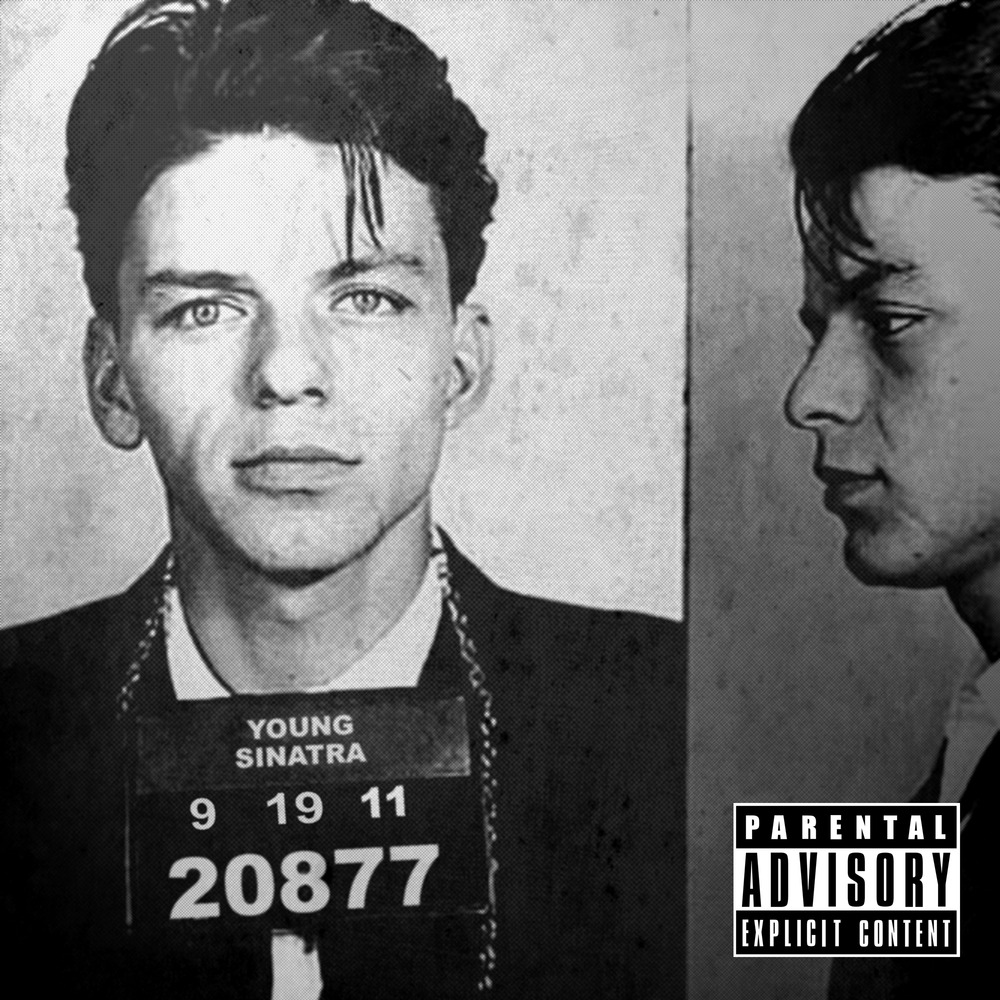


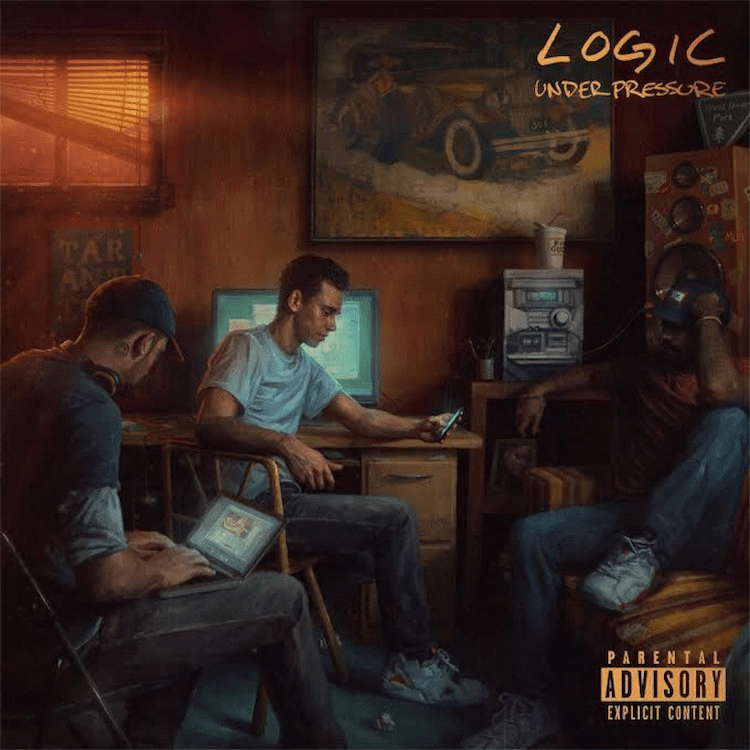
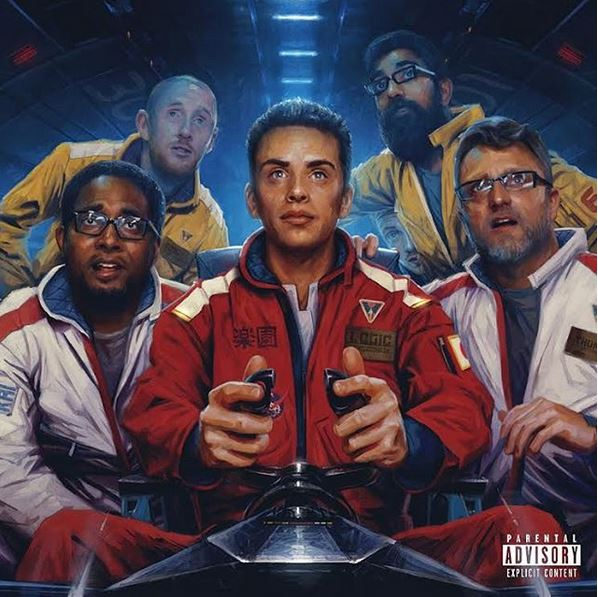
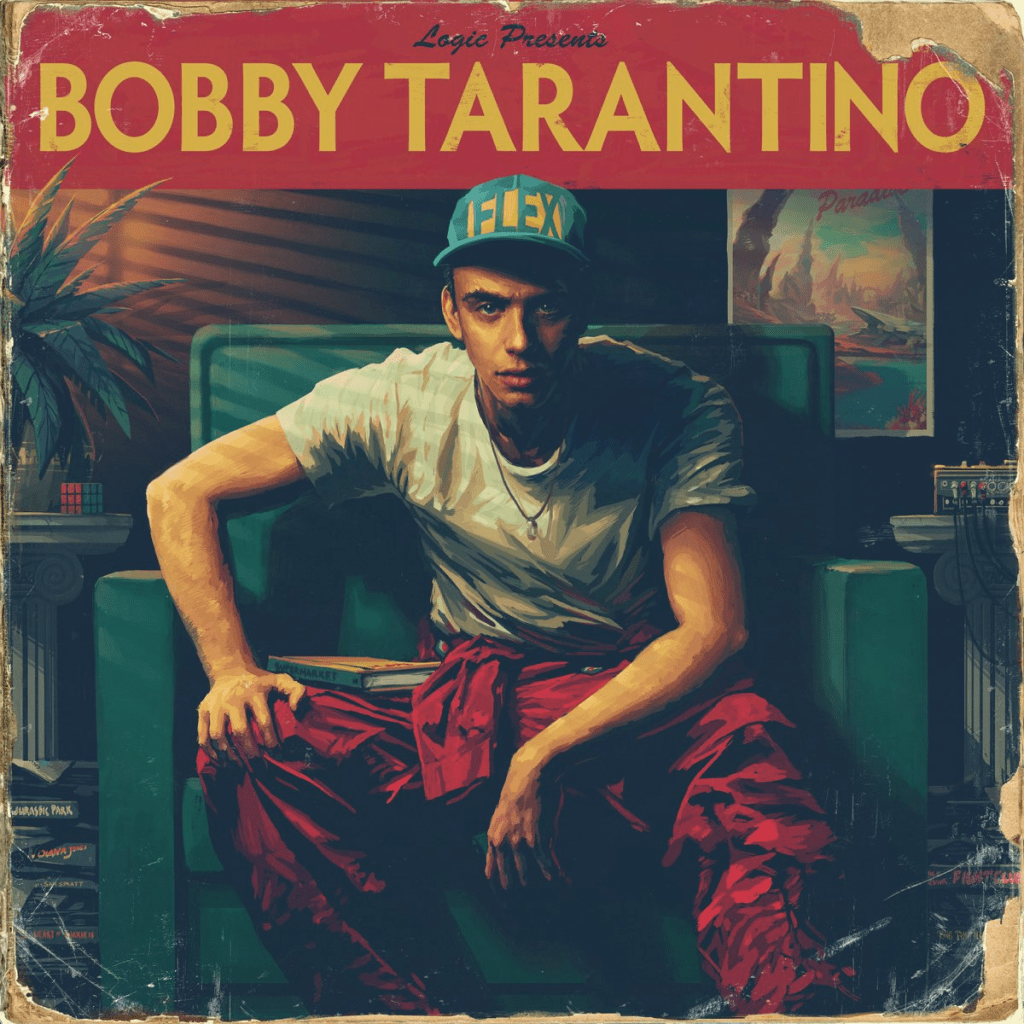


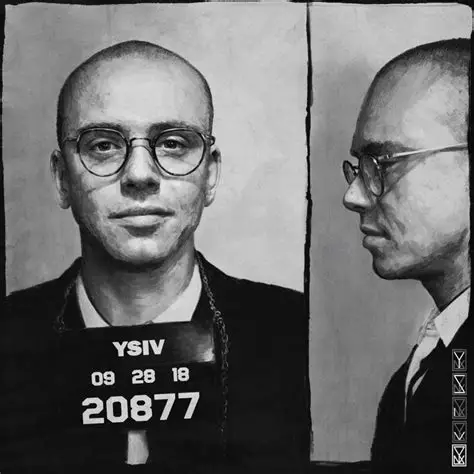
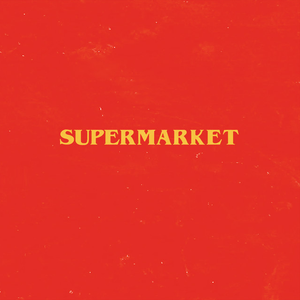


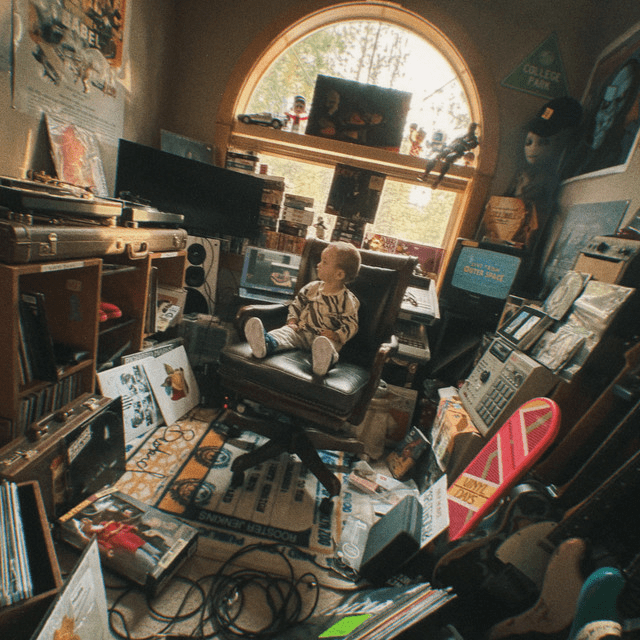



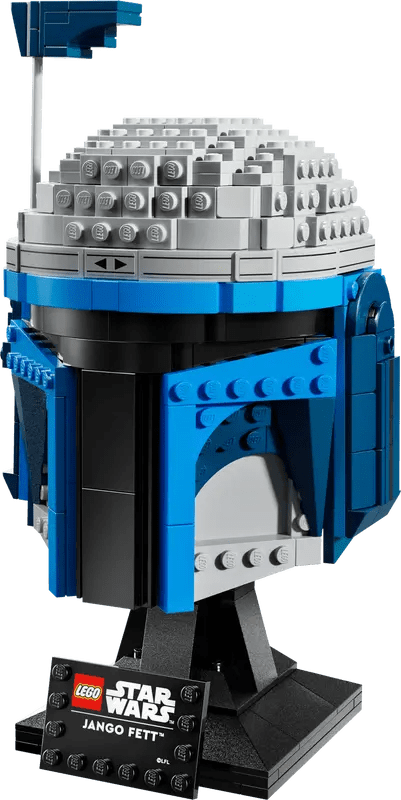


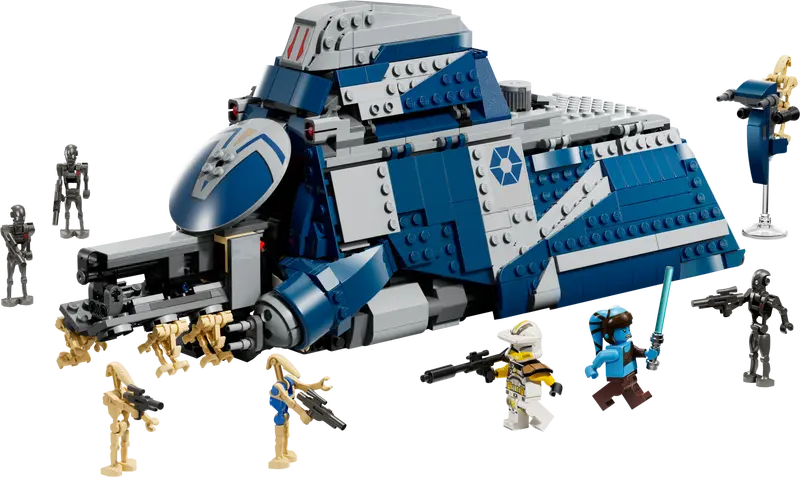










 The Life of J