
Tag: Formula 1

  • Books I Read in 2025 – A Year of Sci-Fi, Self-Growth, Greek Myths & Rediscovering Reading

    Books I Read in 2025 – A Year of Sci-Fi, Self-Growth, Greek Myths & Rediscovering Reading

    Over the last few years, I’ve made a conscious effort to read more. As a kid, reading was my favourite thing in the world — I’d spend hours tucked away in my room, completely absorbed in story after story. But as life got busier, reading slowly slipped out of my routine. Between the ages of 16 and 21, I barely read anything unless I was on holiday, sat by the pool thinking, “Wow, I forgot how much I love this.”

    As I’ve got older (and more aware of how valuable time is), I’ve tried to build reading back into my daily routine. Since 2022, I’ve set myself yearly reading challenges, slowly increasing the number. This year my target was 36 books — ambitious, and I’m not quite on track… but looking back at everything I have read has been so fun.

    I’ve made a conscious effort to mix up genres too. Normally I’m all-in on sci-fi and fantasy, but in 2025 I added non-fiction, philosophy, self-help, and mythology into the mix. It’s been a surprisingly reflective year of reading, and in many ways the books mirror the kind of year I’ve had.

    So, without further ado…

    All the Books I Read in 2025 (With Authors)

    Philosophy

    • Tao Te ChingLao Tzu

    Sci-Fi / Halo Universe

    • Halo: The Fall of ReachEric Nylund
    • Halo: The FloodWilliam C. Dietz
    • Halo: First StrikeEric Nylund
    • Halo: Ghosts of OnyxEric Nylund
    • Halo: Contact HarvestJoseph Staten
    • Halo: Silent StormTroy Denning
    • Halo: OblivionTroy Denning
    • Halo: Broken CircleJohn Shirley
    • Halo: CryptumGreg Bear
    • Halo: PrimordiumGreg Bear
    • Halo: SilentiumGreg Bear
    • Halo: Mortal DictataKaren Traviss

    Cherub Series (Re-reads)

    • CHERUB: The RecruitRobert Muchamore
    • CHERUB: Class ARobert Muchamore
    • CHERUB: Maximum SecurityRobert Muchamore
    • CHERUB: Dark SunRobert Muchamore

    Non-Fiction, Self-Help & Lifestyle

    • How to Build a CarAdrian Newey
    • Joyful: The Surprising Power of Ordinary Things to Create Extraordinary HappinessIngrid Fetell Lee
    • Blood, Sweat, and PixelsJason Schreier
    • How to Break Up With Your PhoneCatherine Price
    • The Neuroscience of Dopamine DetoxDr. Anna Lembke / similar (note: confirm exact author)
    • The 5AM ClubRobin Sharma

    Mythology

    • MythosStephen Fry

    What I Thought of Them – Highlights, Reflections & Surprises
    Starting the Year With Philosophy

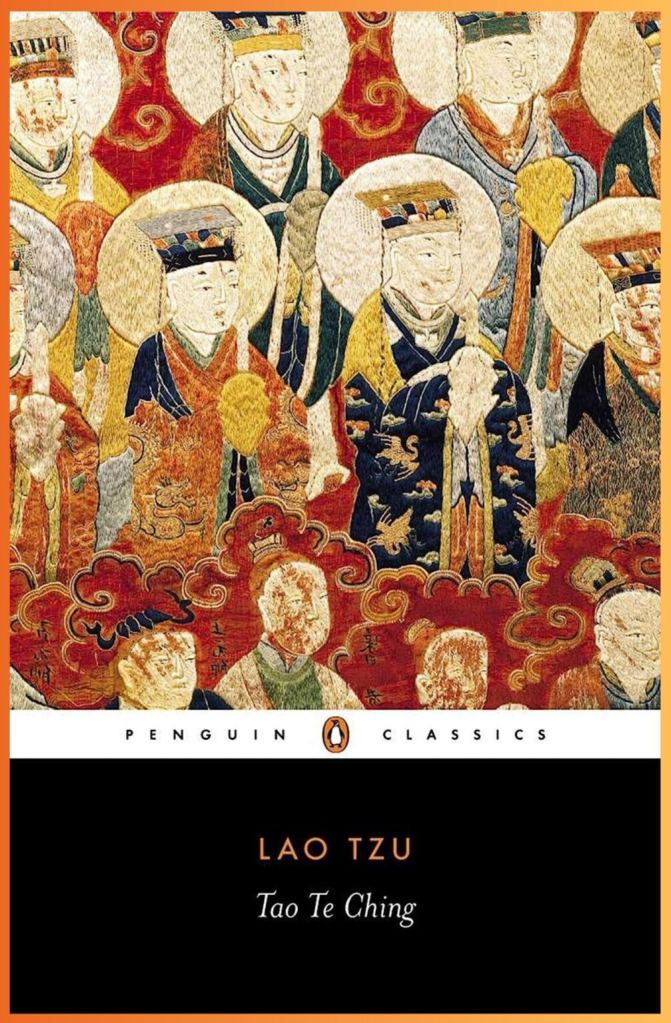
    I began the year with Tao Te Ching by Lao Tzu — a book that’s mentioned constantly in discussions about wisdom, balance, and living a more grounded life. I’d seen it recommended so many times that I felt almost obligated to give it a try, especially as someone who’s been actively trying to improve their mindset and outlook on life.

    Tao Te Ching is a short book, but it demands slow reading. It’s poetic, full of metaphor, and often intentionally vague so that readers can find their own interpretations. I genuinely tried to take my time with it, but I found it challenging to connect with. The ideas about harmony, non-action, and the flow of life were interesting, but they didn’t land for me in the way I hoped.

    Still, reading it wasn’t a waste. Even though philosophy clearly isn’t my go-to genre, I’m glad I stepped outside my comfort zone to try something different. Sometimes the value in a book is simply realising more about what does and doesn’t resonate with you.

    My Halo Reading Marathon (And Why I Loved It)
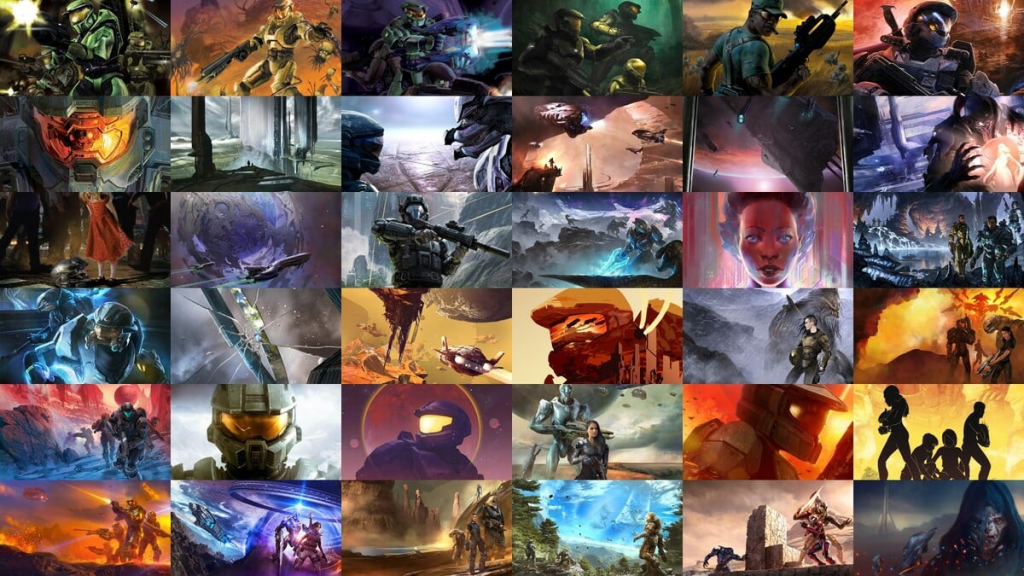
    After finishing the Halo games with my partner over winter, I wanted more lore, more backstory, and more of the universe I’ve loved for years — so diving into the Halo novels felt like the perfect next step.

    If you’ve read my post “My Ultimate Top 10 Favourite Games of All Time” (https://lifeofj.com/2025/07/28/my-ultimate-top-10-favorite-games-of-all-time/), you’ll know the Halo series has a permanent place on that list. It’s a franchise that’s shaped so many of my gaming memories, so experiencing deeper stories and perspectives through the books has been incredible.

    And honestly? They’ve been some of the most enjoyable reads of the year.

    • Eric Nylund’s entries were the standouts, especially The Fall of Reach, which remains one of my favourites.
    • The Forerunner Saga by Greg Bear started slowly for me, but by the final book I was completely drawn in — it massively expanded my understanding of the Forerunners and the origins of the Halo universe.

    Revisiting My Childhood: The CHERUB Series
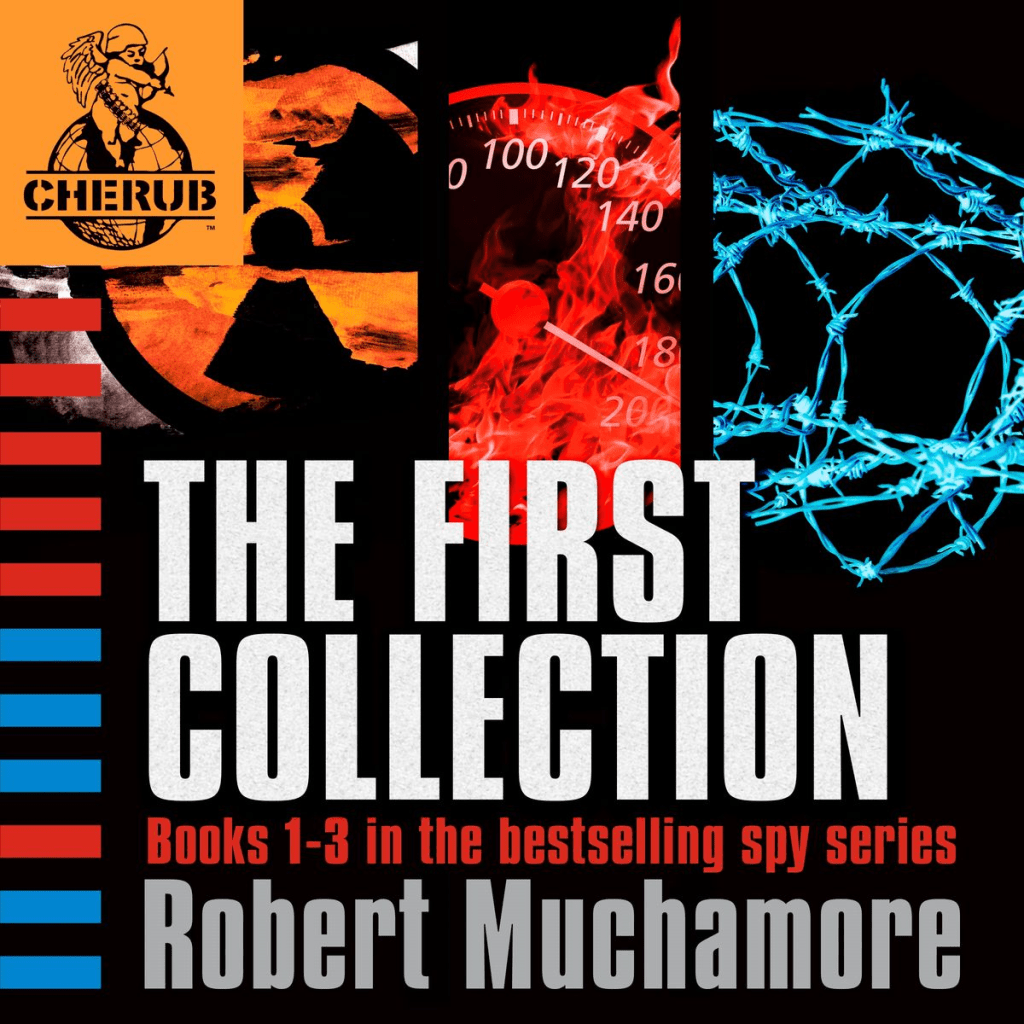
    During spring, I took a break from Halo and returned to a huge part of my reading childhood: the CHERUB series by Robert Muchamore.

    These books were the series that turned me into a reader when I was younger. I remember sitting in my bedroom for hours inhaling them — completely obsessed with the idea of kids being trained as undercover agents, going on missions, solving crimes, and doing things adults underestimated them for.

    Rereading them as an adult was incredibly nostalgic. They were just as fun, fast-paced, and easy to fall into as I remembered. It genuinely felt like reconnecting with an old friend.

    Back then, I also read Muchamore’s Henderson’s Boys series — the prequel set during World War II. I loved the shift in tone and era, taking CHERUB’s world and anchoring it in real wartime events. I never actually finished the whole Henderson’s Boys series as a teenager, so it’s something I’d really like to revisit at some point. There’s something fascinating about seeing the origins of CHERUB and how the organisation was imagined during the war.

    Coming back to these books in 2025 reminded me why they captured me in the first place.

    The Book That Re-Ignited My Reading Habit: How To Build A Car

    When I hit a reading slump mid-year, How To Build A Car by Adrian Newey completely pulled me out of it.

    As I’ve said before (including in my early blog post about my love for F1), motorsport has been a huge part of my life for over a decade. Adrian Newey is someone I’ve admired for years — he’s arguably the greatest Formula 1 designer of all time — so finally getting to read his autobiography felt special.

    What surprised me most was just how detailed and technical the book is.

    • The deep dives into aerodynamics were fascinating.
    • The hand-drawn diagrams showing airflow, downforce, components, and chassis geometry were incredible to look at.
    • I learned so much about how tiny design decisions can completely change a car’s performance.
    • I loved discovering how his brain works — the intuition, creativity, and problem-solving behind some of the most iconic cars ever built.

    But the part that hit me hardest was his candid retelling of Ayrton Senna’s accident.
    Newey explains the technical failure that led to the crash, how the team analysed the data afterwards, and the enormous guilt he carried — and still carries — decades later. Reading that section was genuinely emotional. It gave me a level of insight into the tragedy that I’d never had before, and a new respect for the human side of F1 engineering.

    This book wasn’t just interesting — it made me fall in love with reading all over again.

    Finding Joy Again — Literally
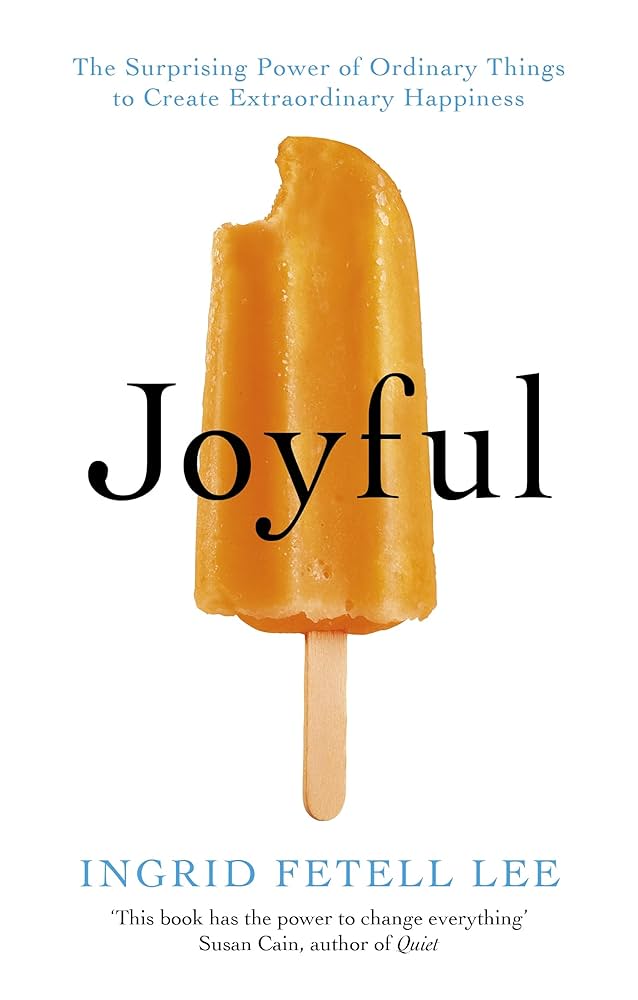
    Book cover of Joyful by Ingrid Fetell Lee featuring bright orange balloons on a white background.

    After that, I picked up Joyful by Ingrid Fetell Lee (full review here: https://lifeofj.com/2025/10/02/joyful-by-ingrid-fetell-lee-a-personal-reflection-and-review/).

    It genuinely changed how I view small pleasures, colour, design, and the spaces we live in. A surprising highlight.

    Holiday Reading in Greece

    As usual, I took a stack of books with me on holiday — and while I didn’t get through as many as I normally do, I still enjoyed a couple of great reads.

    If you want to see the photos, food, ancient ruins, and the biggest mojito of my life, you can read the full blog post here: https://lifeofj.com/2025/11/28/my-trip-to-greece-rhodes-athens-sun-ruins-food-and-the-biggest-mojito-of-my-life/

    Blood, Sweat, and Pixels — Jason Schreier
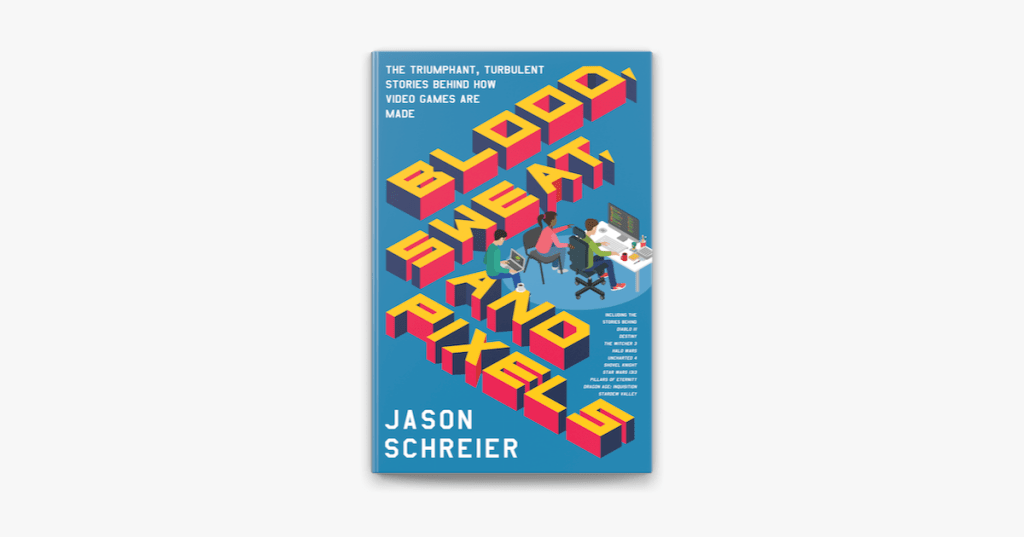
    This book had been on my wishlist for a while, and it absolutely delivered. It’s a brilliant peek behind the curtain of game development — everything from impossible deadlines to studio meltdowns, creative struggles, and miracle turnarounds.
    The chapters on Halo Wars and The Witcher were especially fascinating.

    I also discovered that Schreier has released a follow-up, which immediately went on my wishlist.

    Mythos — Stephen Fry
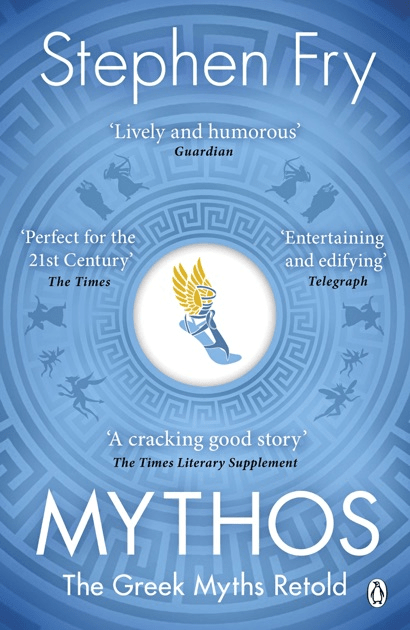
    Since I was literally in Greece, reading about Greek mythology felt like the perfect choice.

    Growing up on Percy Jackson, I’ve always loved the ancient Greek world, and Stephen Fry absolutely nails the retelling. It’s funny, clever, modern without losing authenticity, and an easy recommendation for anyone who loves mythology.

    A Shift in Mindset: Phones, Dopamine & Early Mornings

    Across the second half of the year, I noticed a big shift in how I think about time, distraction, and routine. I’ve become more aware of how much my phone pulls me out of the real world, and how easy it is to spend hours scrolling without really doing anything.

    These three books arrived at the perfect time.

    How to Break Up with Your Phone — Catherine Price
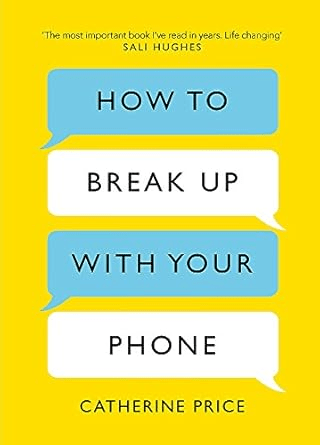
    This book is a mix of neuroscience, psychology, and practical strategies to form a healthier relationship with your phone.
    Some insights that stuck with me:

    • how apps intentionally exploit dopamine cycles
    • how notifications fragment attention
    • the importance of building “phone-free” pockets in the day
    • the value of mindful, intentional technology use

    I didn’t implement every strategy perfectly, but even the ones I tried genuinely helped.

    The Neuroscience of Dopamine Detox

    This book goes deeper into the mechanisms behind dopamine, craving, and reward. It’s not really about “detoxing” — it’s about understanding the neurological patterns that drive compulsive behaviour.
    It helped me understand why things like social media feel so addictive, and gave me a better awareness of when I’m using my phone intentionally vs. reflexively.

    The 5AM Club — Robin Sharma

    The 5AM Club by Robin Sharma was a book I’d had sitting in my Kindle library for ages, and I’m genuinely annoyed I didn’t read it sooner. Even though it’s written in a slightly unusual fictional style, the core ideas really resonated with me. Sharma focuses on how powerful the early hours of the morning can be for clarity, growth, and focus — before the rest of the world wakes up and distractions take over.

    The book’s 20/20/20 formula (20 minutes of movement, 20 minutes of reflection, 20 minutes of learning) felt surprisingly practical. On the mornings when I followed it, I started the day feeling more energised, calmer, and more intentional. It shifted the whole tone of my mornings, making them feel purposeful instead of rushed.

    I’m not perfect at waking up at 5AM every day, but even applying the principles a few times a week has made a noticeable difference. It’s a book I’ll probably revisit every year.

    Winter Reading: Returning to the Halo Universe

    As winter arrived and the nights got colder, my partner and I started talking about finishing Halo ODST and Halo Infinite together before Christmas. That immediately put me back in the mood for more Halo lore, so I picked up the next books in the lineup.

    Halo: Oblivion — Troy Denning

    This one dives deeper into the tension, mystery, and politics surrounding the early years of the Spartan-II program. I loved getting more insight into Chief’s younger years and the dynamics of Blue Team.

    Halo: Broken Circle — John Shirley

    Broken Circle was especially interesting because it takes a break from the usual UNSC perspective and instead focuses heavily on the Covenant’s own internal struggles. Seeing the Sangheili and San’Shyuum politics from the inside added a layer of depth to the universe that the games only ever hint at.

    Both books reminded me why the Halo universe remains one of my favourite sci-fi settings ever. After so many years (and books), there’s still always something new to learn.

    My Favourite Books of 2025

    If I had to pick a top four, they’d be:

    How to Build a Car – Adrian Newey
    Joyful – Ingrid Fetell Lee
    The 5AM Club – Robin Sharma
    Halo: The Fall of Reach – Eric Nylund

    My 2026 Reading Goal

    Next year is going to be extremely busy with work and studying, so I’m setting a more realistic target:

    12 books – one per month.

    Anything more is a bonus, and I’m hoping holidays will give me a chance to catch up.

    Books I’m especially excited to read in 2026:

    • The Art of Creative Thinking – Rod Judkins
    • How to Talk to Anyone About Anything – James W. Williams
    • Brief Answers to the Big Questions – Stephen Hawking
    • The Martian – Andy Weir

    What About You?

    Have you read any of the books I mentioned?
    What did you think of them?
    What were your favourite books of 2025 — and what are you planning to read next year?

    Drop your recommendations in the comments — I’d love to hear them.

  • The Psychology of Collecting: Why We Love Owning Things

    The Psychology of Collecting: Why We Love Owning Things

    Why I Wanted to Understand My Need to Collect

    I’ve always had a habit of collecting things. LEGO, Formula 1 merch, Pokémon cards, books —you name it, I’ve probably had the urge to gather it, organise it, and display it somewhere in my home. I’ve joked before that if I ever took every interest I’ve had and tried to collect everything tied to it, I’d need a warehouse.

    Lately though, I’ve been trying to understand why. Why does that instinct feel so strong? Why do I get that spark of excitement whenever I spot something new to add to a shelf, even when I know I’m trying to be more careful with money and space?

    I’m at a stage in life where I’m trying to be more intentional—less clutter, fewer impulse buys, a bit more financial breathing room. Yet the collector in me hasn’t disappeared; he’s just gotten quieter, waiting for an excuse. I love the thrill of owning something meaningful, but I also crave the calm of simplicity. That tension between joy and restraint is exactly what I want to explore here.

    Psychologists have long studied that drive to collect. It isn’t simply greed or materialism—it’s often emotional. The moment we decide to buy something, our brains release a small burst of dopamine, the same chemical that fuels learning, curiosity, and goal-setting. It’s that little surge of reward that keeps us chasing the next thing. Collectors often describe it perfectly: the hunt is the best part.

    For me, that “hunt” has shown up in many forms. I’ve built an entire LEGO Star Wars display (something I’ve written about before), and each year I add another Red Bull Racing shirt or cap to my growing F1 collection. There’s a pattern there: when something captures my interest, it quickly becomes an obsession, and before long I’m deep in research, lists, wish-lists, and plans.

    Before I can change or balance that instinct, I first need to understand it—the psychology, the emotion, and the meaning behind why I love owning things.

    The Psychology of Collecting

    The more I’ve thought about it, the more I’ve realised collecting taps into something deeply human. It’s not just about ownership; it’s about emotion, memory, and meaning.

    When psychologists talk about collecting, they often describe it as a mix of reward, control, and identity. The process itself—researching, planning, and completing a set—lights up the same parts of the brain that respond to learning and achievement. Every new addition triggers a hit of dopamine, giving that familiar rush of satisfaction and anticipation. It’s why the lead-up to buying something can feel almost as exciting as owning it. That sense of the chase is, biologically speaking, part of what keeps us hooked.

    Then there’s the element of control and order. In a world that can feel uncertain, collecting gives us structure. Werner Muensterberger, who wrote Collecting: An Unruly Passion, suggested that collecting helps people create emotional security—a small, organised world where everything has its place. I can relate to that. Rearranging my LEGO shelves or lining up my Red Bull Racing caps isn’t just aesthetic; it’s grounding. It’s something I can manage and perfect when everything else feels in motion.

    Of course, much of it is tied to nostalgia. Psychologists say nostalgia activates parts of the brain linked to comfort and self-continuity—it helps us feel connected to who we used to be. That explains why I get such a warm sense of familiarity when I open a pack of Pokémon cards or pick up a book series I loved as a kid. It’s not just about collecting objects; it’s about collecting memories. We’re not just curating things—we’re curating pieces of our own history.

    Collecting also speaks to identity. Researchers often describe collections as “external self-representations”: physical reflections of who we are, what we value, and how we see ourselves. My LEGO sets, my F1 memorabilia, even the idea of eventually displaying vinyl covers—they all say something about me: creativity, nostalgia, curiosity, and a need for expression.

    And underneath all of this, there’s something psychologists call the completion instinct. Humans naturally crave closure and wholeness. Completing a set, finishing a run of books, or finding that final missing piece offers a tiny moment of order in a messy world. It’s why collectors can feel uneasy leaving something unfinished—it’s not about material gain, but about satisfying the mind’s need for completion.

    Put together, it’s easy to see how collecting becomes so emotionally powerful. It’s reward, comfort, nostalgia, and identity all rolled into one. It’s a form of storytelling—turning moments and memories into something tangible.

    My Story: How Collecting Became Part of Who I Am

    For as long as I can remember, whenever I find something new I’m interested in, it slowly becomes an obsession. It starts with curiosity, turns into research, and eventually becomes a collection. LEGO, Formula 1 merch, Pokémon cards, books — each of these began the same way. I find something I love, and suddenly I want to own every piece of it.

    That pattern really became clear last year when my partner and I started collecting the Pokémon Scarlet & Violet 151 set. We bought it on a whim one afternoon while out with friends, who were collecting it too. It was meant to be just for fun — a bit of nostalgia, something small. But after pulling two full-art cards from our first four packs, we were hooked. Over the next 18 months we spent evenings opening boosters, trading duplicates, and slowly completing the master set. When we finally slotted that last card into the binder, the sense of satisfaction was unreal. It wasn’t just about the cards — it was about the journey. The planning, the anticipation, and the shared excitement with friends. Psychologists would call that the reward loop in action: anticipation releases dopamine, completion gives closure.

    That same feeling shows up everywhere. Each year, I add another Red Bull Racing shirt or cap to my small but growing collection. There’s a sense of pride in it — a symbol of following a team I’ve supported for years. I like the consistency, the ritual, the tangible record of my loyalty. It’s not about showing it off; it’s about holding a piece of something I care about.

    Books tell a similar story. I’ve followed the Skulduggery Pleasant series since I was a kid, and I’ve collected every hardback — often pre-ordering the signed editions even though I’m still five or six behind on actually reading them. There’s something deeply satisfying about having them all lined up, uniform and complete. That’s the completion instinct again — our brains like finishing sets, even if the journey itself is still ongoing.

    Then there are the LEGO builds, which have been a huge part of my life. I could spend hours planning which sets to get, how to display them, and where to fit them next. My collection fills a full IKEA bookcase, a narrow shelf, and two floating displays. Each piece tells a story, and the process of arranging them gives me a sense of order and calm. Psychologists describe this as the control and comfort side of collecting — bringing order to the world through small, personal systems.

    One set in particular, the UCS Venator, stands out the most. I’d wanted it ever since I saw the first leaked images online but had convinced myself it was too expensive. Then one Saturday morning, my partner turned to me and said, “Should we just go get it?” Before I knew it, we were driving 45 minutes to the LEGO store, grinning like kids. The staff even looked envious as I carried the massive box to the till. It wasn’t just the purchase that made it memorable — it was everything leading up to it: the anticipation, the decision, the shared excitement, even the drive home with the box sitting proudly in the back seat. That’s the emotional core of collecting — not just the thing itself, but the story and memory that come with it.

    Even when I look at that set now, I don’t just see plastic bricks; I remember the day we bought it, the people I was with, the feeling of joy and shared indulgence. That’s nostalgia and memory at work — how collections become time capsules for emotions.

    But I’ve also started noticing the downsides. The constant cycle of interest and obsession can get exhausting — and expensive. I can feel my focus narrowing on one thing until I burn out and move on to the next. I’m aware that, psychologically, this is partly the dopamine cycle too — chasing the next hit of excitement, rather than staying satisfied with what I already have.

    Lately, I’ve been trying to balance that by thinking more about why I collect, rather than just what I collect. Part of it comes down to self-expression. Each collection reflects a side of who I am — my curiosity, nostalgia, and creativity. But another part is comfort and control. Having these things displayed neatly in my space makes me feel calmer, more grounded. It’s a physical manifestation of order in my mind.

    At the same time, I know I want to move toward something more sustainable. I’ve been thinking a lot about vinyl records — I love the idea of collecting them, maybe even displaying some of my favourite album covers — but I’ve stopped myself for now. I don’t even own a turntable. I just know that feeling: I’ve seen something I love, and my collector’s brain lights up. It’s a reminder that the instinct never really goes away; it just finds new shapes.

    The Modern Collector: Hype, Community, and Control

    One of the hardest parts of being a collector today is that the world seems designed to keep us collecting. Brands know exactly how to spark that sense of urgency — limited editions, exclusives, vaulted sets. They speak directly to the part of our brains wired for scarcity. Psychologists call it loss aversion: we feel the pain of missing out more strongly than the pleasure of gaining something. It’s why a countdown timer or “while stocks last” label can make us hit buy now faster than we’d like to admit.

    LEGO is a perfect example. Every year they run big sales where spending a certain amount unlocks a Gift With Purchase — often an exclusive set that can’t be bought separately. I’ve been guilty of buying extra just to hit that threshold. It’s fun, sure, but also a reminder of how easily excitement can slip into excess. Marketing plays into our psychology so neatly that even when we know what’s happening, we still want to take part. That moment of participation — of being “in” on something special — releases its own dopamine rush.

    The same thing happens in the Pokémon community. New expansions drop and within hours people are buying cases, not to open or enjoy, but to store or resell. It’s a fascinating mix of passion and speculation. On one hand, there’s nothing wrong with people turning a hobby into income. On the other, it sometimes pushes true fans out — raising prices and turning joy into competition. Psychologists link this to social comparison theory: when we see others succeeding in the same space, we subconsciously measure ourselves against them. Online, that comparison is constant.

    Yet community is also one of the best parts of collecting. Talking about new releases, sharing photos, trading items — those things build connection and belonging. Studies show that sharing our hobbies with others releases oxytocin, the same hormone tied to trust and bonding. There’s something powerful in that: a reminder that collecting isn’t just solitary; it’s social.

    The challenge, then, is to keep the joy without letting the hype take over. I’m learning to pause before every impulse purchase — to ask myself whether I want the thing or the feeling it promises. Most of the time, it’s the feeling: excitement, nostalgia, participation. Recognising that makes it easier to slow down, to collect with intention rather than compulsion.

    The Deeper Meaning — What Collecting Really Means

    When I look at my shelves now, I don’t just see objects. I see chapters of my life. Each collection marks a moment in time — the things I was into, the people I shared them with, the memories tied to each purchase or build. Psychologists describe this as symbolic immortality — the idea that we preserve parts of ourselves through the things we keep.

    Every collector I’ve ever met has stories hidden in their shelves. The set they saved up for as a kid, the figure they traded for, the signed book that came at just the right time. It’s never just about owning things; it’s about storytelling. Humans are wired to collect stories — physical collections are simply tangible versions of that instinct. We build little museums of our lives.

    There’s also comfort in that continuity. Psychologists talk about self-continuity — the feeling that the “past you” and the “present you” are part of the same person. Nostalgia helps maintain that thread. When I look at my LEGO builds or the Pokémon binder we filled, I’m not just remembering the objects; I’m reconnecting with younger versions of myself — the kid circling items in the Argos catalogue, the teenager geeking out over a new release, the adult still chasing that spark. Those moments remind me that curiosity and joy have always been at the core of who I am.

    Collecting also shapes identity in the present. The things we choose to keep often reflect our values: creativity, precision, nostalgia, community. My shelves, in a strange way, are a portrait — not perfect or complete, but honest. They show where my interests meet meaning.

    But perhaps the most valuable thing collecting gives is perspective. It turns emotion into something tangible — a way of making sense of experience. Each collection is a small, personal story of curiosity, effort, and care. Over time, those stories form a timeline — not of what we owned, but of what mattered enough to hold onto.

    From Owning to Curating

    The older I get, the more I realise that collecting, for me, isn’t really about ownership — it’s about meaning. But meaning doesn’t have to come from more.

    Lately, I’ve been trying to shift from owning to curating. I still love the process of collecting, but I want it to feel intentional rather than impulsive. Part of that comes from practicality — life is expensive, and clutter takes both money and space — but it also comes from wanting mental clarity. I know that when my surroundings are calmer, I am too.

    There’s a psychological comfort in this shift. Collecting once gave me a sense of control through addition — building structure by accumulating things that made me happy. Now, I’m learning to find control through selection — keeping only what still brings joy or tells part of my story. It’s a subtle but powerful difference.

    Psychologists often say that our attachment to objects comes from the stability they represent — familiarity, identity, and comfort. But real stability doesn’t always come from holding on; sometimes it’s in letting go. The trick is learning to separate the memories from the materials, to recognise that the stories still exist even if the shelves are a little emptier.

    I don’t think I’ll ever stop being a collector. It’s part of how I experience the world — through curiosity, discovery, and connection. But I do think I can be a more conscious one. I want to collect with intention, not just instinct. To make my shelves tell a story that still feels like me, just with fewer distractions.

    Maybe that’s what collecting really is — not just owning things, but choosing what matters enough to keep.

    Final Thoughts: Every Collection Tells a Story

    I started writing this because I wanted to understand why I collect — why I feel drawn to gather, display, and treasure things that connect to my interests. Along the way, I’ve realised it’s not really about the objects at all. It’s about emotion, memory, identity, and meaning.

    Collecting, at its best, is joy in physical form — a way to hold onto stories and moments that shaped us. But like anything, it needs balance. For me, that means curating instead of consuming, choosing what still feels meaningful, and letting go of what doesn’t.

    I’ll probably always be the kind of person who gets excited by new releases or limited editions. That’s just how I’m wired. But now, I can recognise the pattern — the dopamine rush, the nostalgia, the comfort — and decide what’s really worth chasing.

    Maybe collecting isn’t about owning more. Maybe it’s about remembering why we cared in the first place.

    So, what about you?
    What do you collect, and what does it mean to you?
    I’d love to hear your stories — share them in the comments or tag me online. After all, every collection tells a story, and I’d love to see yours.