Tag: Gaming

  • Top 10 LEGO Star Wars Sets I Wish LEGO Would Make

    Top 10 LEGO Star Wars Sets I Wish LEGO Would Make

    There’s something truly magical about the way LEGO and Star Wars come together. For over two decades, LEGO has brought to life some of the most iconic ships, battles, and characters from a galaxy far, far away — from massive UCS builds to charming diorama scenes. But even after hundreds of sets, there are still so many moments, vehicles, and worlds that fans like me can only dream of seeing in brick form. 

    As both a lifelong Star Wars fan and an avid LEGO collector, I often find myself imagining what could come next. What ships or scenes deserve the full LEGO treatment? Which overlooked moments could make stunning display pieces or fun playsets? So today, I’m sharing my top 10 dream Star Wars sets I wish LEGO would make — a mix of fan favourites, deep-cut nostalgia, and ideas that would fill some major gaps in the galaxy’s lineup. 

    Grab your lightsaber (or your brick separator) — here are the sets I’d love to see join the LEGO Star Wars collection. 

    10. The Stinger Mantis – Jedi Survivor Crew Set 
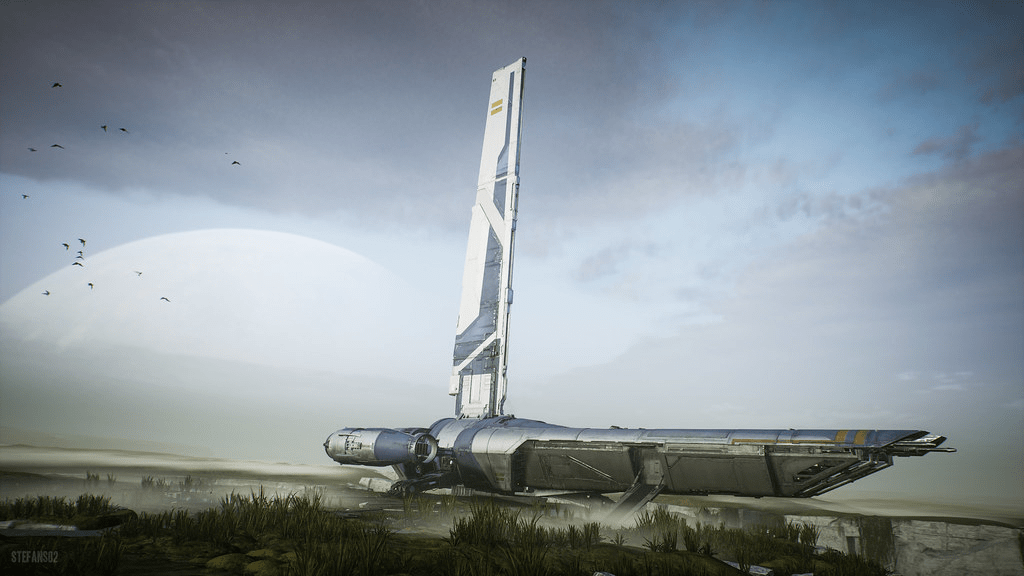
    Stinger Mantis starship from Star Wars Jedi Survivor, concept image used in LEGO Star Wars dream set blog post.
    The Stinger Mantis from Star Wars Jedi: Fallen Order — Cal Kestis’s iconic ship that deserves its own LEGO Star Wars set.

    If there’s one ship I’ve been waiting for LEGO to tackle from the Star Wars Jedi games, it’s the Stinger Mantis — Cal Kestis’s trusty transport and home base in Jedi: Fallen Order and Jedi Survivor. This sleek, rotating-wing ship has become just as iconic as the Millennium Falcon to modern fans, yet somehow still doesn’t have a LEGO version. 

    I imagine this as a £120 set, packed with detail and playability — complete with the rotating wings and body just like in the games, a detailed cockpit for Greez Dritus, and maybe even a few flick-fire missiles for good measure. The perfect minifigure lineup would include Cal Kestis (with poncho, obviously), Merrin, Cere Junda, Greez, and of course BD-1. 

    While Jedi Survivor didn’t quite make my Top 10 Favourite Games of All Time, it’s still one of the most memorable gaming experiences I’ve had in years. I already have the BD-1 (75335) set proudly displayed, and a Mantis build would sit perfectly next to it — completing the crew and giving LEGO Star Wars collectors a long-overdue addition from this incredible game series. 

    9. Trident-Class Assault Ship – Attack on Kamino 
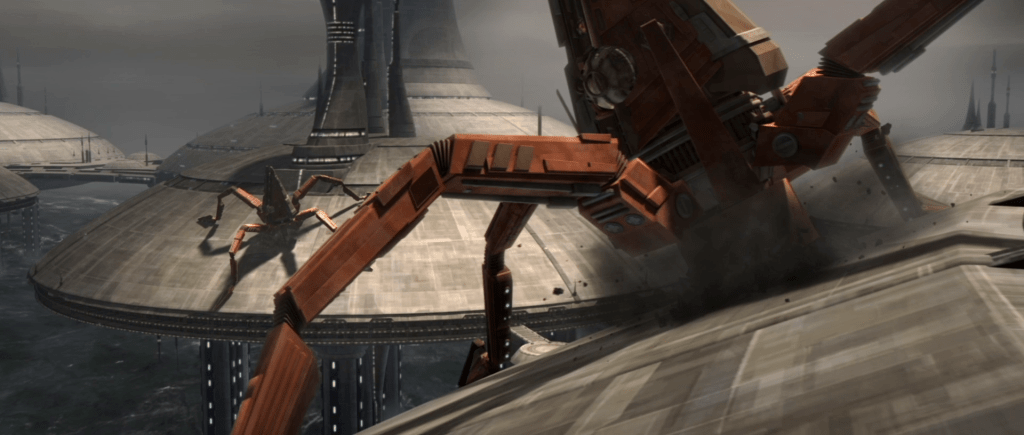
    Trident-Class Assault Ship attacking Kamino in Star Wars The Clone Wars, concept image for LEGO Star Wars dream set.
    The Trident-Class Assault Ship from The Clone Wars, as seen during the Attack on Kamino — a perfect candidate for a LEGO Star Wars set.

    The Clone Wars TV series gave us some of the most memorable battles in Star Wars, and the Attack on Kamino episode stands out as one of the best. It’s the perfect setting for a new LEGO Star Wars set — the Trident-Class Assault Ship. This Separatist craft, with its long mechanical arms and eerie underwater design, would make for an incredible display and play piece alike. 

    I’d imagine it as a £120 set, featuring an interior that can store four Aqua Droid minifigures on a deployable rack, similar to the clever mechanism used in the 2025 MTT. The minifigure lineup could include Asajj Ventress, Phase I Echo and Fives, Clone Trooper 99, and a few new Aqua Droids to bring the Kamino invasion to life. 

    It would also be a great opportunity for LEGO to finally introduce new Separatist droid designs beyond the standard B1 and B2 Battle Droids we’ve seen countless times. With its unique shape, fan-favourite characters, and a connection to one of the most emotional episodes of the series, the Trident-Class Assault Ship would be a standout addition to any Clone Wars-era collection. 

    8. Separatist Super Tank – Return to Geonosis
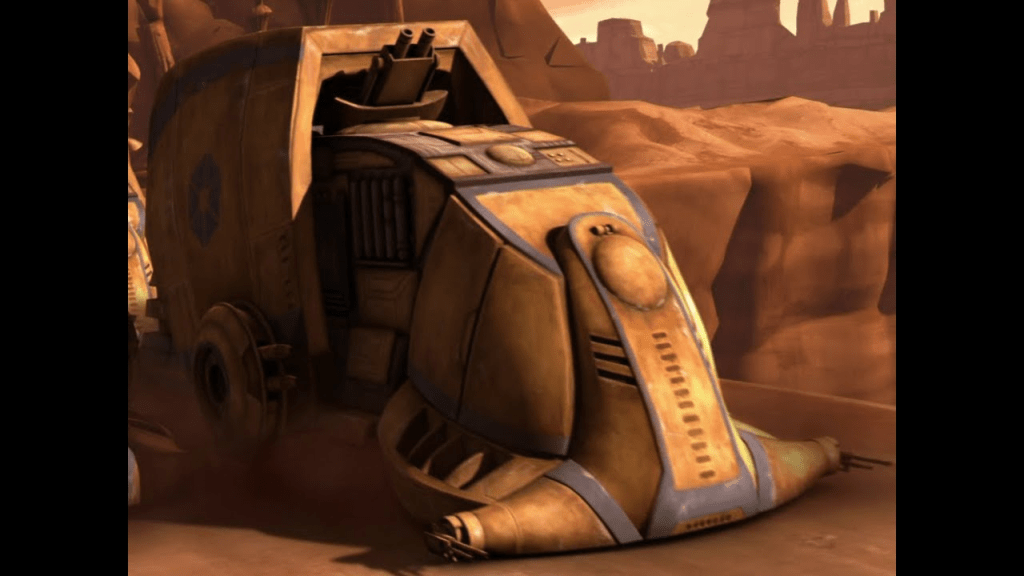
    Separatist Super Tank on Geonosis from Star Wars The Clone Wars, concept image for LEGO Star Wars dream set.
    The Separatist Super Tank from The Clone Wars: Return to Geonosis arc — one of the most underrated vehicles that deserves a LEGO Star Wars set.

    Another Clone Wars classic that deserves the LEGO treatment is the Separatist Super Tank from the Return to Geonosis arc. These heavily armoured droids rolled out of the Geonosian factories and gave the Jedi and Clones a real challenge — and it’s still one of my favourite arcs in the entire series (and yes, easily a top-10 episode). 

    This would make for a brilliant £120–£150 LEGO Star Wars set, packed with detail and play features. The build could include a rotating turret, flick-fire cannons, and maybe even working treads. I’d imagine the minifigure lineup featuring Ahsoka Tano, Barriss Offee, a Super Tactical Droid, a Geonosian, and two standard Battle Droids. 

    Not only would it be a fun, display-worthy build — it would also help balance out the LEGO Star Wars lineup by giving some long-overdue attention to the Separatist faction, which has been mostly overshadowed by Clone and Imperial sets in recent years. And honestly… who doesn’t love a LEGO tank? 

    7. Captain Rex’s Y-Wing – Clone Wars Season 7 
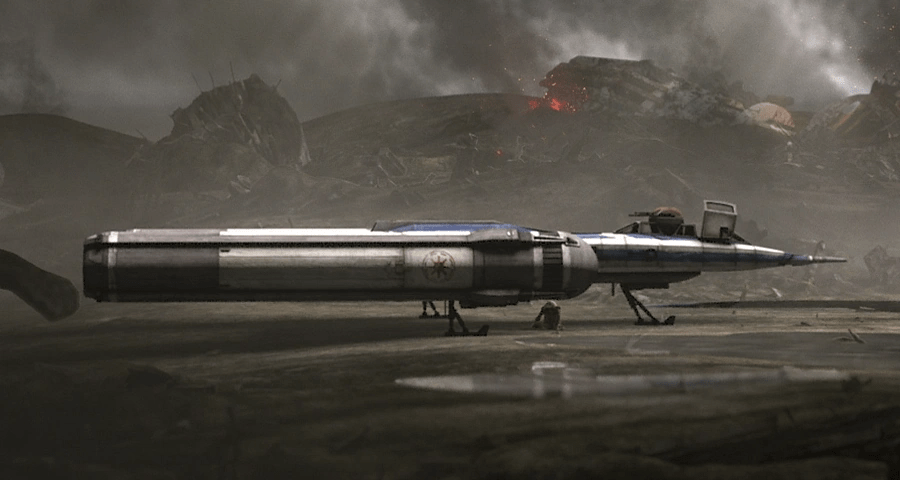
    Captain Rex’s blue Y-Wing starfighter from Star Wars The Clone Wars Season 7, concept image for LEGO Star Wars set.
    Captain Rex’s custom blue Y-Wing from The Clone Wars Season 7 — a long-requested LEGO Star Wars set idea featuring Rex and Ahsoka.

    If there’s one ship LEGO fans have been asking for ever since The Clone Wars Season 7 aired, it’s Captain Rex’s custom blue Y-Wing. This starfighter has become instantly recognisable thanks to the emotional finale arc — and yet, somehow, LEGO has still never released it as a full set. 

    I’d imagine it coming in at around £80, as a detailed play-scale Y-Wing rather than the Microfighter version (set 75344) we ended up getting. The build could feature Captain Rex’s unique colour scheme, opening cockpit, and some light weathering details to reflect the post-war tone of the final episodes. 

    The minifigure selection would naturally include Captain Rex and Ahsoka Tano, recreating the final moments of their escape from the Venator. And with so many incredible fan MOCs out there (like this one), it’s surprising LEGO hasn’t made an official version yet. Season 7 is widely considered some of the best Star Wars storytelling ever — this set would be the perfect tribute to that legacy. 

    6. UT-AT – Battle of Mygeeto 
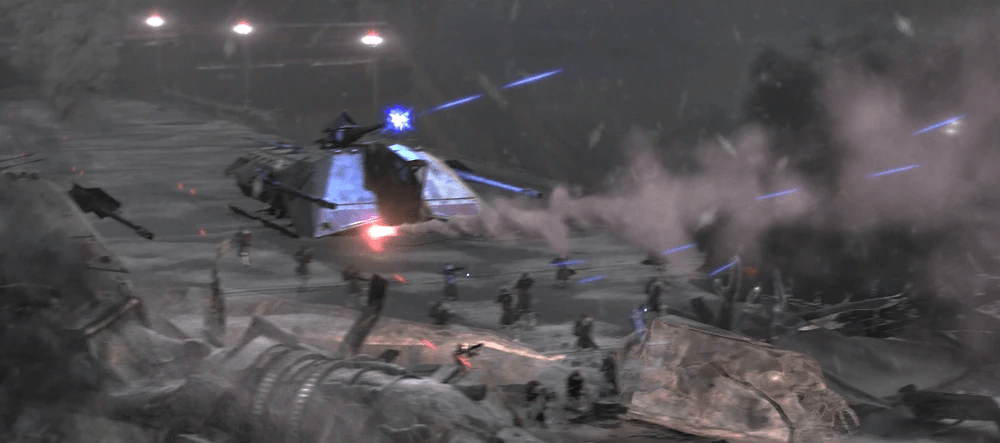
    UT-AT walker on Mygeeto during Star Wars Revenge of the Sith, concept image for LEGO Star Wars dream set.
    The UT-AT from Revenge of the Sith — a long-requested LEGO Star Wars vehicle seen during the Battle of Mygeeto alongside Ki-Adi-Mundi and the Galactic Marines.

    The UT-AT (Unstable Terrain Artillery Transport) is one of those blink-and-you’ll-miss-it vehicles from Revenge of the Sith that still managed to become iconic. Even though it only appeared on screen for a few seconds during the Battle of Mygeeto, fans have been asking LEGO to make it for years — and with good reason. It’s one of the last major Republic vehicles still missing from the LEGO Star Wars lineup. 

    We’ve come close before — an early prototype image appeared in the 2014 Visual Dictionary, and there were even leaks for 2025 suggesting it might finally happen. But somehow, it’s still just a dream. I’d picture this as a £150 playset, designed to sit perfectly alongside the AT-TE Walker (75337) in both scale and display presence. 

    The build could feature fold-down troop bays, rotating front cannons, and a top hatch to fit a gunner or commander figure. For minifigures, it would need to include Ki-Adi-Mundi, a small squad of Galactic Marines, and a few Battle Droids to recreate the Mygeeto scene. 

    The UT-AT’s long, segmented body and distinct snow-planet design would make it a standout piece on any Clone Wars-era shelf — the perfect companion to existing Republic sets, and a long-overdue addition to LEGO Star Wars. 

    5. Battle on Umbara – Umbaran Starfighter Ambush 

    Umbaran Starfighters in battle from Star Wars The Clone Wars, concept image for LEGO Star Wars dream set.
    The Battle on Umbara from The Clone Wars — featuring the Umbaran Starfighter in one of the series’ most emotional arcs.

    The Battle of Umbara remains one of the darkest and most emotional arcs in The Clone Wars. Between the eerie visuals, the internal conflict among the clones, and General Krell’s betrayal, it’s one of those storylines that still sticks with me — and it deserves more representation in LEGO form. 

    We’ve only had one official Umbara set before — the Umbaran MHC (Mobile Heavy Cannon) 75013, which has aged surprisingly well and remains a fan favourite. But it’s about time we saw the Umbaran Starfighter get its chance to shine. 

    I’d imagine this as an £80 LEGO Star Wars playset, featuring the sleek purple and grey Starfighter surrounded by some Umbara jungle foliage to capture the unique look of the planet. The minifigure lineup would be amazing: Captain Rex, Fives, Hardcase, General Krell, and two Umbaran soldiers. 

    It would be the perfect companion piece to the original 75013, expanding the Umbara battle scenes that so many Clone Wars fans love to recreate. 

    💬 What do you think — should LEGO revisit Umbara with another set, or would you rather see something completely new from The Clone Wars era? 

    4. UCS Harrower-Class Dreadnought – The Old Republic’s Finest 
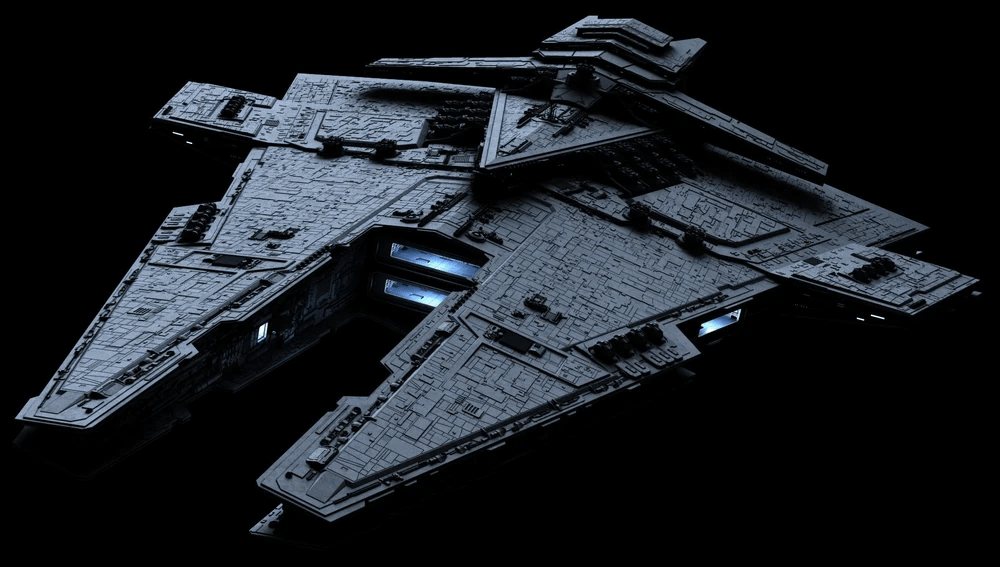
    Harrower-Class Dreadnought from Star Wars The Old Republic, concept image for LEGO Star Wars UCS set idea.
    The Harrower-Class Dreadnought from Star Wars: The Old Republic — an imposing flagship worthy of the UCS LEGO Star Wars treatment.

    As I’ve mentioned before, I’m a huge fan of Star Wars: The Old Republic — it’s one of my all-time favourite games (you can read more about that in my Top 10 Favourite Games of All Time). If there’s one ship from SWTOR that deserves the full LEGO treatment, it’s the Harrower-Class Dreadnought. 

    This colossal vessel served as the backbone of the Sith Empire’s fleet and would make for a jaw-dropping UCS-scale LEGO set, similar in size and detail to the UCS Venator (75367). With its menacing, angular silhouette and red-and-grey colour palette, it would look absolutely incredible on display — a true centrepiece for any LEGO Star Wars collector. 

    I’d imagine it priced around £560, on par with the Venator, featuring intricate surface detailing, a mini command bridge, and space for a small micro-scale fleet docked beneath. The ideal minifigure selection would include Darth Malgus, Darth Marr, a few Imperial Troopers, and Imperial Droids exclusive to the set. 

    A UCS Harrower-Class Dreadnought would finally give SWTOR fans something they’ve been dreaming about for years — an official nod from LEGO to one of the most beloved eras in Star Wars history. 

    3. MBS Jedi Temple – Archives of Coruscant 
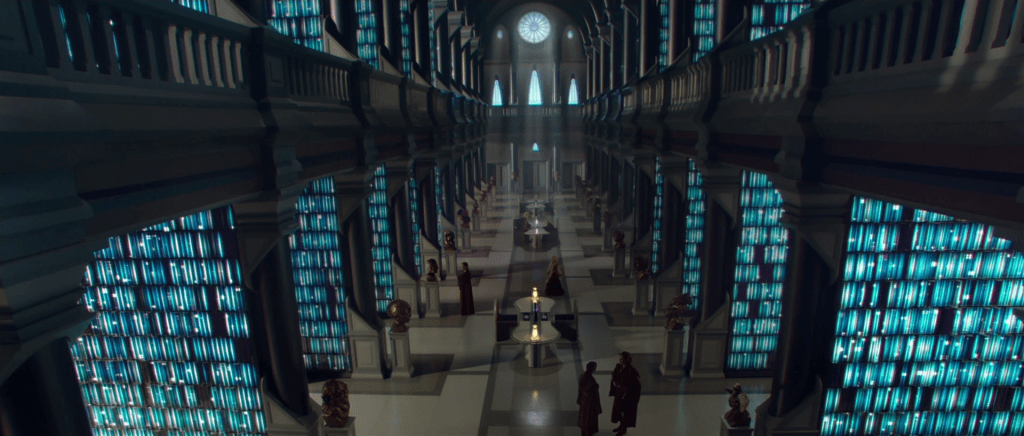
    Jedi Temple Archives on Coruscant from Star Wars Revenge of the Sith, concept image for LEGO Star Wars MBS set.
    The Jedi Temple Archives from Revenge of the Sith — a fan-favourite location that deserves an MBS-scale LEGO Star Wars set.

    Few locations in Star Wars are as iconic — or as mysteriously under-represented in LEGO form — as the Jedi Temple on Coruscant. Rather than attempting the full structure, an MBS (Master Builder Series) set focused on the Jedi Archives would be the perfect way to finally bring this setting to life. 

    I’d love to see a section inspired by Battlefront II, complete with the Temple library — tall holobook shelves, elegant columns, and the hologram viewing chamber where Obi-Wan and Yoda watch the heartbreaking recording of Anakin’s fall. It’s one of the most powerful scenes in Revenge of the Sith, and instantly recognisable to any fan. 

    This would work beautifully as a one- or two-level build, detailed enough for display yet still full of playability. The minifigure lineup could include Yoda, Obi-Wan Kenobi, Darth Vader (Jedi Temple variant), a pair of 501st Clone Troopers, and several Jedi Masters to populate the archives. 

    And to make the release even more special, LEGO could pair it with a Gift With Purchase (GWP): a small “CCTV room” diorama showing Yoda and Obi-Wan watching the Temple security footage. It would be a brilliant companion build — subtle, emotional, and the perfect finishing touch for collectors. 
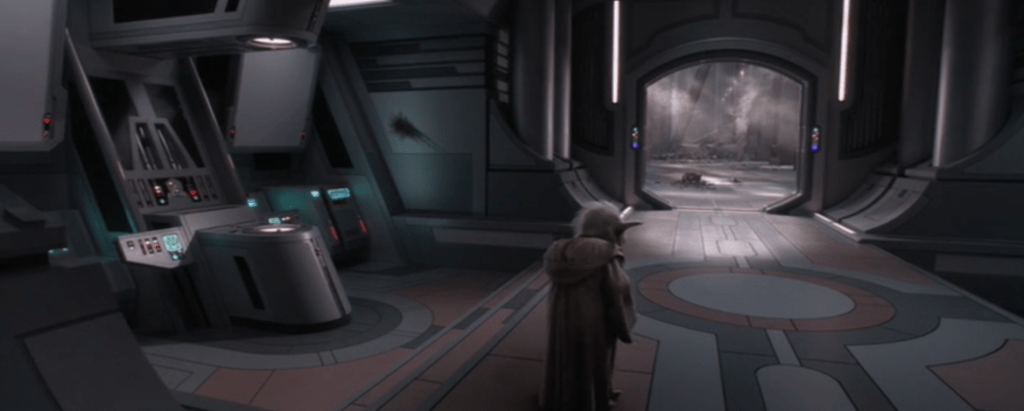
    Yoda and Obi-Wan watching Jedi Temple security footage in Star Wars Revenge of the Sith, concept image for LEGO Star Wars GWP build.
    Yoda and Obi-Wan watching the Jedi Temple security recordings — a perfect LEGO Star Wars Gift With Purchase idea to accompany an MBS Jedi Temple set.

    A set like this would finally give fans the chance to own a piece of Coruscant’s most legendary location — equal parts display piece and storytelling showcase. 

    2. MBS Geonosian Arena – Battle of Geonosis 
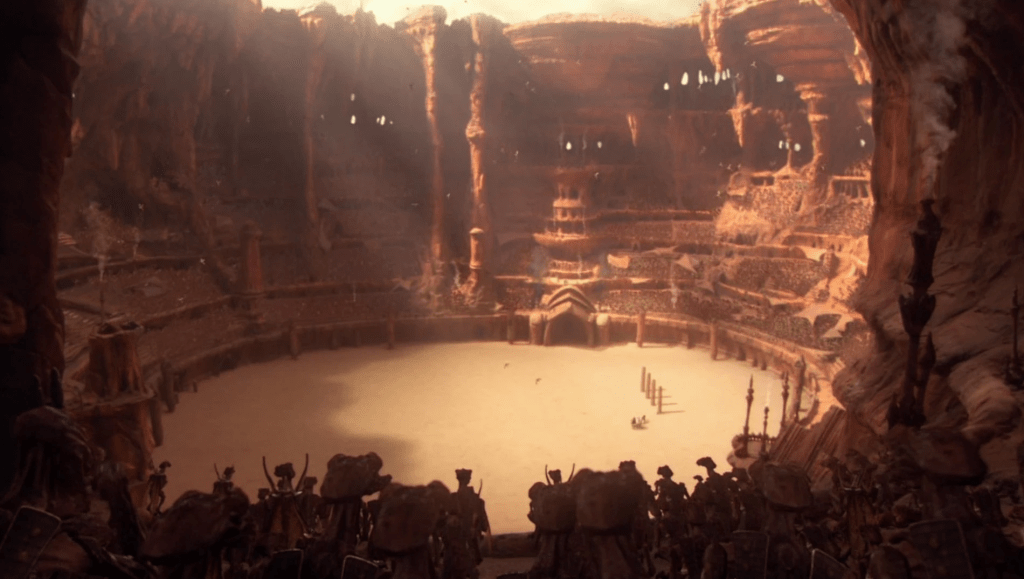
    Geonosian Arena battle from Star Wars Attack of the Clones, concept image for LEGO Star Wars MBS set.
    The Geonosian Arena from Attack of the Clones — where Jedi faced droids and beasts in one of Star Wars’ most iconic battles.

    If there’s one Star Wars location that fans have been begging LEGO to make for over two decades, it’s the Geonosian Arena. The opening battle of Attack of the Clones remains one of the most iconic moments in the prequel trilogy — hundreds of Jedi facing off against waves of droids and beasts under the orange Geonosian sky. It’s the perfect candidate for a massive MBS (Master Builder Series) set, and honestly, it’s shocking we still don’t have one. 

    A set like this could feature a modular arena layout, complete with collapsing pillars, beast enclosures, and hidden play features for re-creating the dramatic rescue scenes. The minifigure lineup alone would be worth the price tag: Anakin Skywalker, Obi-Wan Kenobi, Padmé Amidala, Mace Windu, Kit Fisto, Count Dooku, Jango Fett, C-3PO, R2-D2, and a variety of Jedi Masters. Add to that a mix of B1 and B2 Battle Droids, a few Droidekas, and even a couple of Geonosians for good measure, and you’ve got an instant fan-favourite. 

    Jedi and droids fighting in the Battle of Geonosis from Star Wars Attack of the Clones, concept image for LEGO Star Wars set.
    Jedi face off against waves of droids in the Battle of Geonosis — one of the most requested LEGO Star Wars scenes fans still hope to see.

    This set would offer endless playability — from dramatic duels to large-scale battles — while still being detailed enough to stand as a display centrepiece. The MBS Geonosian Arena would finally do justice to one of the most ambitious and visually stunning sequences in Star Wars history. 

    💬 Would you rather see this as a massive MBS display piece, or a slightly smaller, modular playset version so more fans could afford it? 

    1. UCS Ebon Hawk – The Ultimate KOTOR Tribute 
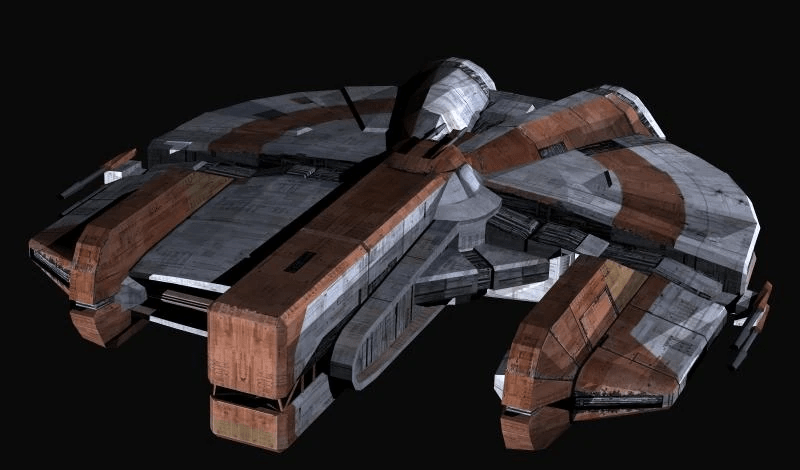
    Ebon Hawk starship from Star Wars Knights of the Old Republic, concept image for LEGO Star Wars UCS set.
    The Ebon Hawk from Knights of the Old Republic — one of the most requested LEGO UCS Star Wars sets fans still hope to see.

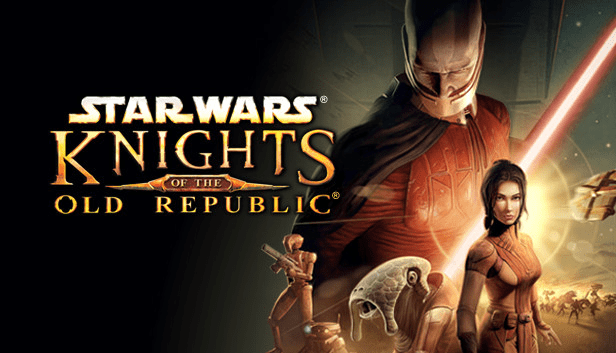
    As featured in my Top 10 Favourite Games of All Time, the Knights of the Old Republic games hold a very special place in my heart. There isn’t a single set I’d want more than a UCS Ebon Hawk — the legendary freighter that served as home to some of the most beloved characters in Star Wars gaming history. 

    I’d imagine it at UCS scale, similar in size to the UCS Millennium Falcon (75192) and priced around £800. The ship would feature a fully detailed interior, including the cockpit (perfect for Carth Onasi or Atton Rand) and the iconic central holotable room. The exterior could blend smooth curved panels with subtle weathering, perfectly capturing the Hawk’s rugged but elegant design. 

    The dream minifigure lineup would span both KOTOR I and KOTOR II: Revan (Jedi variant), Bastila Shan, Carth Onasi, Mission Vao, Zaalbar, Juhani, HK-47, Jolee Bindo, Canderous Ordo, T3-M4, Meetra Surik, Atton Rand, Bao-Dur, Visas Marr, Kreia, Mandalore, G0-T0, Hanharr, Mical, and Mira. 

    We’ve seen some brilliant fan MOCs over the years, including mid-scale builds combining the MIDI-scale Millennium Falcon (7778) and the T-6 Jedi Shuttle (7931), but it’s about time LEGO gave this ship the official UCS treatment. 

    And to make the release even more special, LEGO could include a Gift With Purchase: a Star Forge Map micro-build, featuring the ancient holographic projection that guided Revan and Bastila across the galaxy. It would make a perfect companion piece — compact, lore-accurate, and instantly recognisable to any KOTOR fan. 
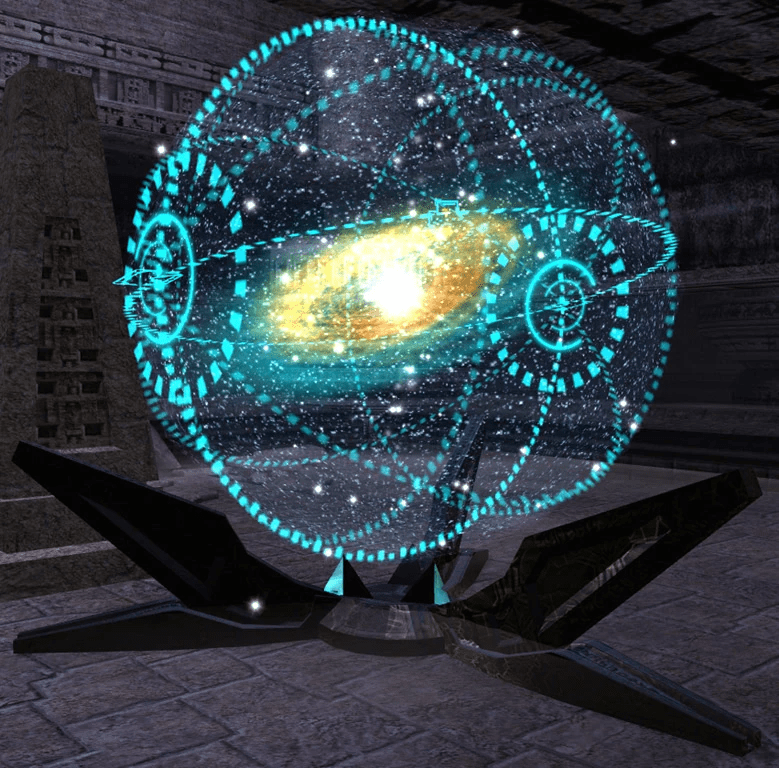
    Star Forge Map hologram from Star Wars Knights of the Old Republic, concept image for LEGO Star Wars GWP build.
    The Star Forge Map hologram from Knights of the Old Republic — reimagined as a LEGO Star Wars GWP micro-build to accompany the UCS Ebon Hawk.

    If we can’t have it at UCS scale, even a play-scale version similar to the 2024 Millennium Falcon (75375) would still be an instant hit. But truly, a UCS Ebon Hawk would be more than a set — it would be a celebration of one of the greatest Star Wars stories ever told. 

    Final Thoughts 

    So there you have it — my top 10 dream LEGO Star Wars sets that I’d love to see become reality. Whether it’s the nostalgia of The Clone Wars, the cinematic moments from the prequels, or the deep lore of KOTOR and The Old Republic, these are the ships and scenes that I think deserve a place on every collector’s shelf. 

    It’s honestly amazing how LEGO continues to find new ways to reimagine the galaxy far, far away, but as fans, there will always be those few sets we keep hoping for. And half the fun is dreaming them up, right? 

    💬 What about you? Which Star Wars set do you wish LEGO would make next? 
    Would it be something classic from the films, or something deep-cut from the games or animated series? I’d love to hear your ideas in the comments below — maybe we’ll share a few of the same dream builds. 

    If you enjoyed this post, you might also like my Top 10 Favourite Games of All Time and My LEGO Star Wars Story — both dive deeper into how these worlds shaped my love for LEGO and Star Wars over the years. 

  • Classic Games from My Childhood: Rediscovering my Golden Age of Browser and Console Gaming

    Classic Games from My Childhood: Rediscovering my Golden Age of Browser and Console Gaming

    Golden Age of Gaming 

    I’m taking another trip down memory lane today after stumbling across a screenshot of an old Facebook game while researching one of my recent blog posts on social media. It instantly took me back to the early days of online gaming and made me think about some of the classic games from my childhood — the ones that filled afternoons after school or weekends at the family computer. 

    Some of these titles you’ll definitely recognise, while others feel like underrated gems from the golden age of browser and early PC gaming. Either way, each one brings back that same mix of nostalgia, simplicity, and excitement that defined a generation of gamers growing up online. 

    Social Empires & Social Wars (2011–2012)

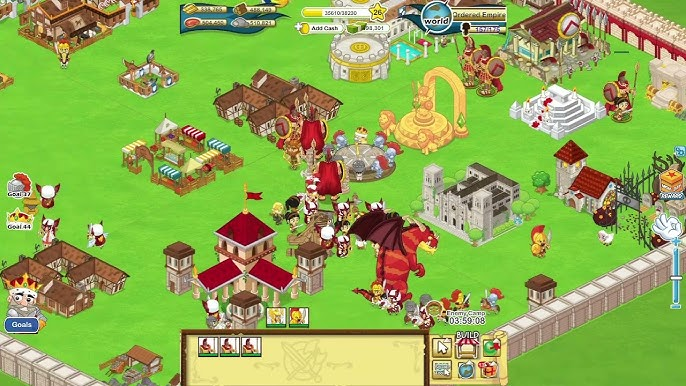
    Logo of the classic Facebook game Social Empires featuring a cartoon world with medieval buildings, ships, and characters.
    Social Empires was one of the most popular Facebook games of the early 2010s, blending city-building and strategy gameplay.

    I had completely forgotten about these games until I stumbled across a screenshot on Google while researching the early days of Facebook. Social Empires and Social Wars were casual real-time strategy (RTS) games developed by Social Point, a studio that back then was best known for its free-to-play Facebook titles. 

    Logo of the Facebook strategy game Social Wars showing two soldiers in futuristic armor with a sci-fi city background.
    Social Wars brought futuristic battles to Facebook, letting players build bases, recruit armies, and fight epic online wars.

    They played like simplified versions of Age of Empires — you’d collect gold and food, build up your base, and deploy troops against enemy villages or AI armies. Everything happened in real time, so I’d often log in after school to queue up buildings or upgrades, then check back a few hours later to see the progress. It was one of the first strategy games that felt properly alive on Facebook, ticking away quietly even when you weren’t online. 

    Social Empires came first, mixing fantasy and myth with bright, cartoon visuals — dragons, knights, and magic towers everywhere. It was lighthearted, colourful, and instantly addictive. You could raise and even breed dragons, creating powerful hybrids that could wipe out entire enemy bases. I remember hatching little “Draggys” and being weirdly proud of them. 

    Screenshot of Social Empires gameplay showing a colourful medieval village with castles, farms, and animated characters.
    A nostalgic look at Social Empires, the city-building and strategy game that let players create thriving medieval kingdoms on Facebook.

    The game had a surprising amount of creative freedom — you could rearrange buildings, decorate your city, and tweak your defences until everything felt just right. But what made it truly special was the social element. You could visit your friends’ bases, send gifts, or invite them for bonuses — and back then, that kind of connection felt new. 

    Social Wars arrived a year later, a sci-fi re-imagining full of robots, jetpacks, and explosions. I used to play both games side by side in separate browser tabs, training troops in one while upgrading turrets in the other. My favourite part was collecting the special mechs — the yellow one that looked suspiciously like Bumblebee was always my go-to unit. 

    Screenshot of Social Wars gameplay showing futuristic buildings, soldiers, and vehicles in a sci-fi base setting.
    Social Wars brought base-building and futuristic combat to Facebook, combining sci-fi visuals with accessible strategy gameplay.

    While researching this post, I discovered that both games can still be played today. Dedicated fans have found ways to self-host private servers, bringing Social Empires and Social Wars back to life years after they officially shut down. Obviously, the social features no longer work, but you can still play through the story missions, rebuild your base, and train your armies just like before. I’m seriously considering giving it a go at some point — purely for the nostalgia. 

    These were the games that first showed me what Facebook gaming could be — part RTS, part community, and completely addictive. They were also the beginning of Social Point’s rise; the dragon-breeding mechanic would eventually evolve into Dragon City, the studio’s breakout hit. 

    Evony: Age I (2009)

    Logo of the online strategy game Evony featuring a medieval castle backdrop and gold lettering.
    Evony became one of the most recognizable browser strategy games, famous for its empire-building gameplay and early internet ads.

    It’s a bit of a shame to see what Evony has become today, because the original version I played — Evony: Age I — holds a very special place in my heart. I can’t even remember exactly how I found it, though I have a feeling it might have been through Miniclip. 

    I used to play Evony on the family computer, usually alongside RuneScape. One browser tab would be filled with hill giants and bones to bury, while the other was busy upgrading farms and barracks. It was the first MMORTS I ever played, and I thought it was incredible — a living world that kept going even after you logged out. 

    The sense of progression was what hooked me. Building up my city, researching upgrades through the Academy, and training a massive army felt endlessly satisfying. Because everything happened in real time, progress could take hours or even days, but that wait only made each milestone feel more rewarding. I’d often queue up buildings and troops before bed so that by the next afternoon, my empire would be ready to launch its next attack. Those little rituals — logging off and imagining my tiny virtual city growing overnight — made the game feel strangely alive. 

    Screenshot of Evony gameplay showing a medieval city with farms, houses, and castle buildings.
    Evony let players build empires, manage resources, and wage wars in one of the most iconic browser-based strategy games of its time.

    Every troop type had strengths and weaknesses — cavalry crushed archers, pikemen countered cavalry, and so on — which meant you had to balance your army carefully, especially for PvP. The Alliance system added another layer of fun; a few of my friends played too, and we’d form alliances, strategising over who to attack or how to defend each other’s cities. 

    For years, I’d forgotten about Evony until I started seeing those infamous ads for Evony: The King’s Return. Two thoughts hit me immediately: 

    “Oh wow, I completely forgot about this — I used to play Evony all the time!” 

    “Wait… why do these ads look nothing like the game I remember?” 

    Those ads became notorious for their explicit, misleading marketing — showing puzzle gameplay and suggestive imagery that had nothing to do with the real game. They were so over-the-top they became memes in their own right, a far cry from the slow, thoughtful strategy of the original. 

    Out of curiosity, I reinstalled it — and immediately uninstalled it again. The old Flash-based browser game I’d loved had become a mobile, ad-ridden shadow of itself. 

    While researching this post, I was shocked to learn that the original Evony: Age I and Age II servers are still running today. Even though Flash support ended in 2020, dedicated fans have kept them alive through workarounds and legacy browsers. There’s even a small subreddit and Discord community helping others reconnect. 

    The player base is smaller now, and many worlds rely on bots to keep the economy going, but it’s incredible that it still exists. You can log in, rebuild your city, and relive much of that original magic — a perfect nostalgia trip for anyone who loved the early era of browser-based strategy games. 

    LEGO Racers (1999)

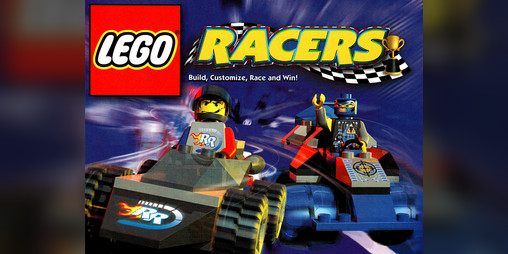
    Cover art for LEGO Racers featuring minifigures driving custom LEGO cars on a colourful racetrack.
    LEGO Racers was a fan-favourite kart racing game that let players build their own vehicles from LEGO bricks and race through imaginative worlds.

    This was probably the first video game I ever remember playing. I must have been really young, sitting at the family computer in the corner of the living room, completely absorbed in the colourful, blocky world of LEGO Racers. 

    I spent ages in the garage building my own car — determined to make one with vertical flames shooting out the back, though I could never quite get them to sit right. I could also design my own minifigure driver, mixing heads, torsos, and helmets to make something that felt uniquely mine. 

    The game itself was essentially LEGO’s answer to Mario Kart — a fast, arcade-style racer where you’d collect coloured power-up bricks mid-race to unleash rockets, speed boosts, or shields. It was simple, loud, and endlessly entertaining. 

    Screenshot from LEGO Racers showing LEGO minifigures driving custom cars on a colourful racetrack.
    LEGO Racers let players build cars from LEGO bricks and race against iconic minifigures through creative, themed tracks.

    Looking back, it’s one of those games that perfectly captured the magic of the late ’90s: bright colours, straightforward fun, and just enough creativity to make it feel personal. It might look dated now, but for me, LEGO Racers was where my love of gaming — and probably LEGO — really began. 

    Drome Racers (2002) 

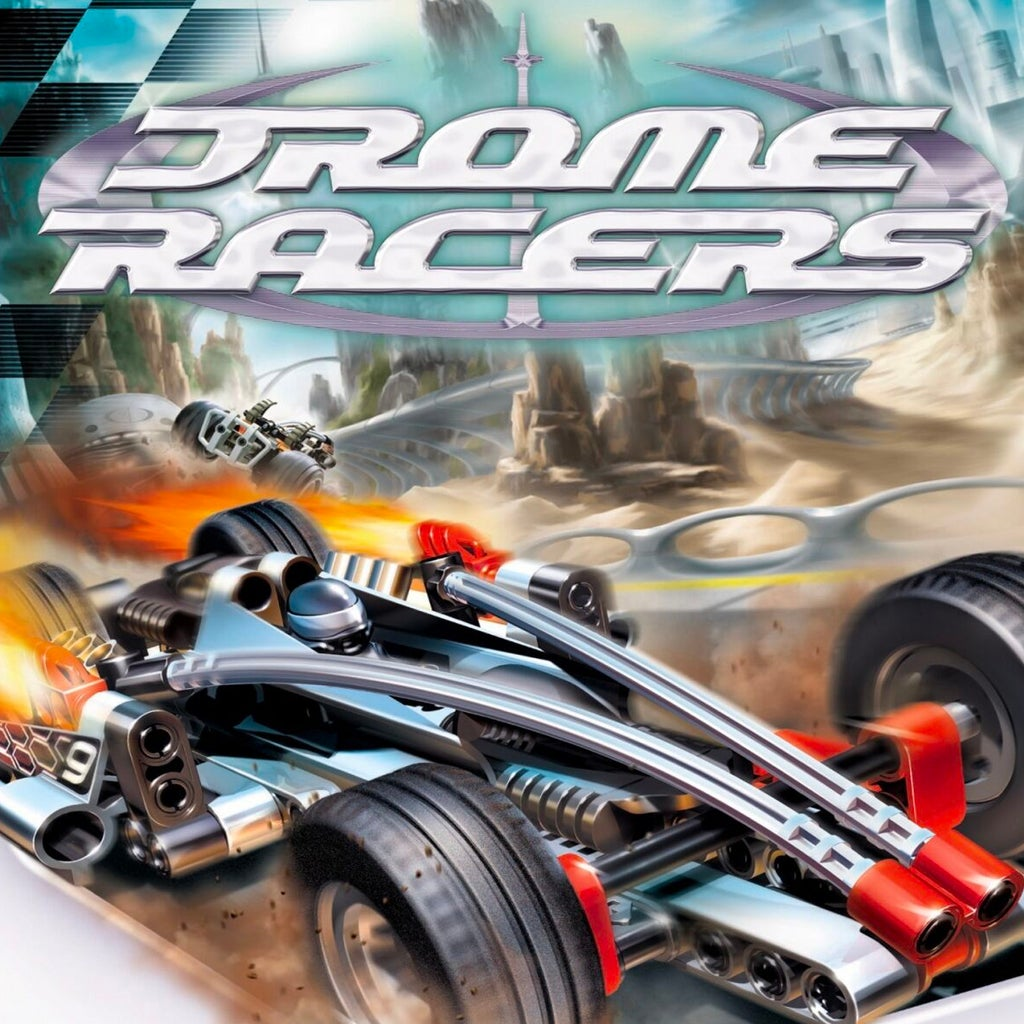
    Cover art for LEGO Drome Racers featuring futuristic LEGO race cars speeding on a high-tech track.
    LEGO Drome Racers brought a high-speed, futuristic twist to LEGO racing games with sleek cars and intense track designs.

    Following on from LEGO Racers, Drome Racers offered a completely different take on LEGO racing — more futuristic and mature. I played this one later on the Nintendo GameCube, and while it didn’t capture quite the same childlike wonder, it quickly became a quiet weekend favourite. 

    It featured a mix of on-road, off-road, and futuristic city tracks, each with its own type of car. You could tune and upgrade your vehicle between races, improving speed, handling, and acceleration — a feature that felt incredibly rewarding at the time. For what was essentially a simple racer, earning credits and gradually making your car faster gave a real sense of progress.

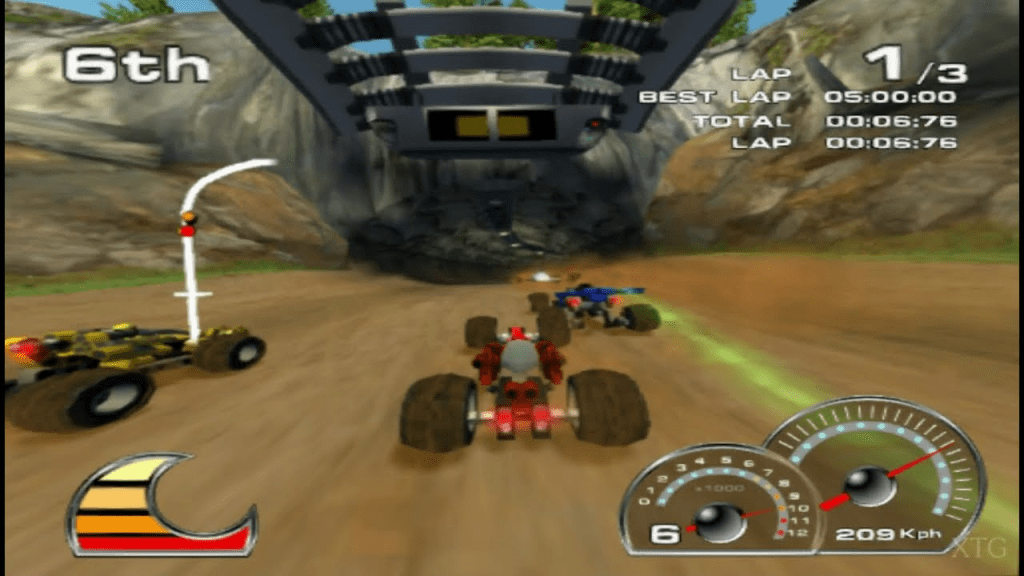
    Screenshot from LEGO Drome Racers showing futuristic LEGO race cars speeding around a desert-style track.
    LEGO Drome Racers combined futuristic racing with LEGO creativity, letting players build and race high-tech cars across challenging tracks.

    I can still picture myself playing it on a tiny box TV in my bedroom, controller in hand, completely lost in those bright LEGO environments. The combination of realistic tracks and LEGO charm gave it a unique personality. 

    I don’t have as many vivid memories of Drome Racers as I do of some of the others, but it stands out as one of the earliest console games I truly loved — simple, satisfying, and pure fun. 

    War of Legends (2010–2015) 

    Logo of War of Legends, an online strategy game featuring mythological heroes and ancient kingdoms.
    War of Legends blended real-time strategy and mythology, letting players command ancient kingdoms and legendary heroes.

    Another game lost to the ages. I almost forgot about War of Legends entirely until I stumbled across it while researching Evony for this post. It was another MMORTS, but what made it extra special was that it was developed by Jagex — the same studio behind my beloved RuneScape. 

    I only played War of Legends at my grandparents’ house on weekends. My gran had a little laptop in the study, and I’d spend hours in there building my empire while everyone else chatted in the next room. 

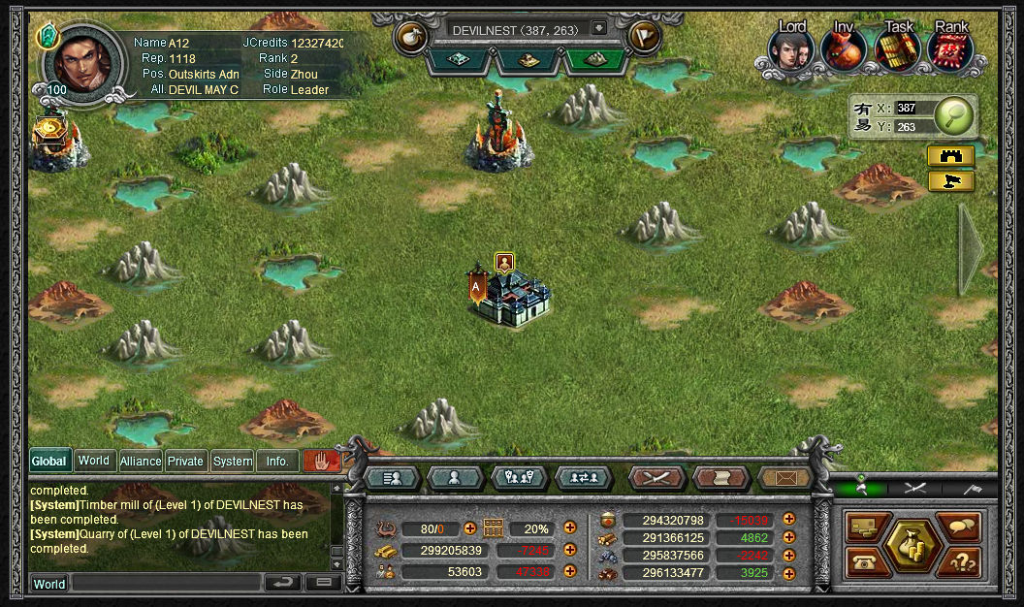
    Screenshot of War of Legends gameplay showing an ancient kingdom with armies, buildings, and a detailed strategy map
    War of Legends offered deep strategy gameplay, allowing players to manage kingdoms, command heroes, and battle across mythological landscapes.

    Set in ancient Chinese mythology, the game had a beautiful art style and deep mechanics. You’d gather resources, build cities, and train troops — but the real stars were the Legends, hero units with their own gear, stats, and abilities. They added RPG-like progression to the strategy loop, making every battle feel more personal. 

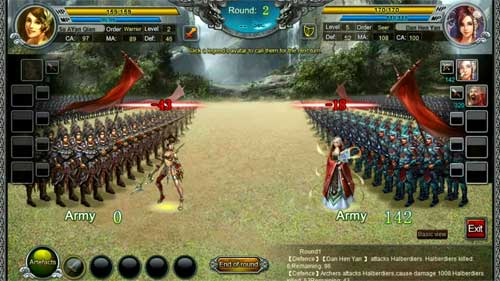
    Screenshot of War of Legends battle scene showing armies clashing on a detailed battlefield with ancient structures in the background.
    War of Legends combined tactical combat with city-building, offering players a chance to command legendary heroes in epic online battles.

    One of my favourite features was the Wheel of Fortune, where you could spin for bonus rewards — extra resources, gear, or even new Legends. Looking back, it was basically an early version of today’s loot boxes, but it felt fair and exciting. 

    Another cool twist was that battles began with your Legends duelling each other one-on-one, with the winner granting their army a temporary stat boost. It made every encounter feel cinematic. 

    Sadly, War of Legends was shut down in 2015 after an unresolved security issue. I wish I’d played it more — it was a game ahead of its time, blending world-building, mythology, and MMO strategy long before that became common. 

    Pokémon Emerald (2004) 

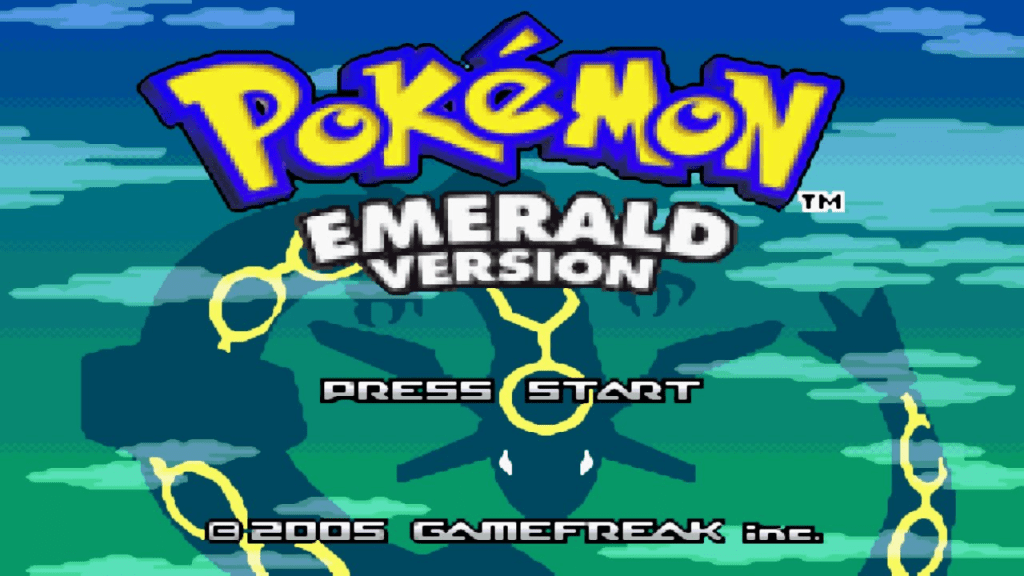
    Title screen of Pokémon Emerald showing the legendary Pokémon Rayquaza flying through the clouds.
    Pokémon Emerald remains one of the most beloved Pokémon games, blending adventure, strategy, and nostalgia in the Hoenn region.

    This was the first real Pokémon game I ever remember loving — and it wasn’t even mine. I was introduced to it by a friend who owned the silver Game Boy Advance SP with the tribal markings on the lid. We were at the local social club one Friday evening, and I can still picture myself sitting beside him, completely absorbed as I watched him play. 

    Up until then, I hadn’t really been exposed to Pokémon. I probably would have recognised Pikachu, but I’d never played any of the games before. That all changed when he showed me Rayquaza, the legendary Pokémon that graced the cover of Emerald. From that moment, I was hooked. 

    I never actually got to play Emerald myself, but every chance I had to watch him play, I took it. It was the reason I begged for a Nintendo DS — purely because of its backwards compatibility so I could one day play it. I never did get Emerald, but I went on to play Diamond, Pearl, and Platinum instead. 

    It even sparked a short obsession with collecting the trading cards. My grandparents used to take me to Toys “R” Us, where I’d spend ages walking down the aisles staring at all the Game Boy boxes. 

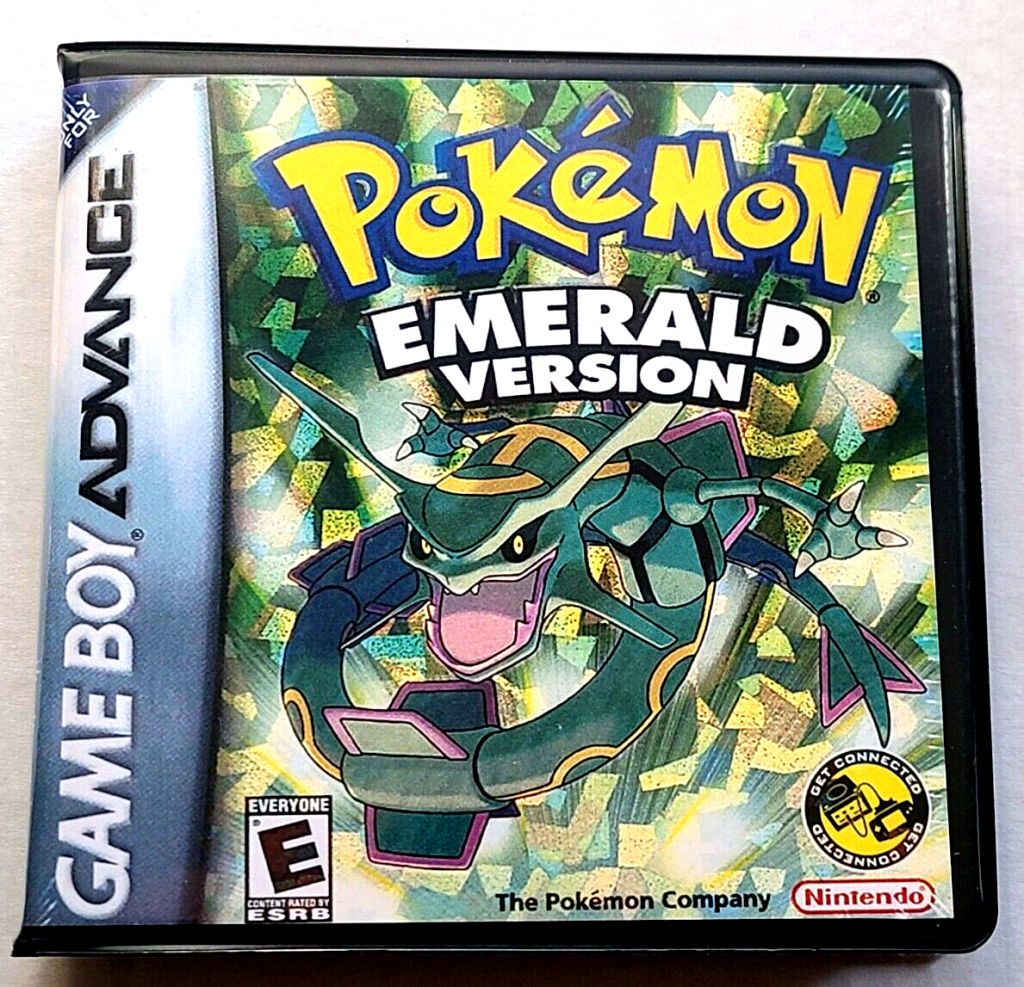
    Box art of Pokémon Emerald for the Game Boy Advance featuring the legendary Pokémon Rayquaza.
    Pokémon Emerald for the Game Boy Advance remains one of the most iconic entries in the series, featuring Rayquaza and the expanded Hoenn adventure.

    This was around the same time that Star Wars: Revenge of the Sith was in cinemas, and I distinctly remember wandering from the Game Boy section straight into the next aisle filled with Star Wars toys and costumes. I picked up a toy lightsaber, and when we went to pay, I spotted a Pokémon trading card tin by the till. It came with booster packs, a play mat, and some tokens so I could learn to play the card game properly. 

    Those small moments are what made that era so special. Pokémon Emerald might not have been mine, but it’s the game that sparked a lifelong love for the series. 

    Fate (2005–2008) 

    Cover art for the action RPG FATE showing a hero with a sword and a shadowy figure in the background.
    FATE was a beloved early-2000s action RPG that let players explore dungeons, battle monsters, and collect loot in a charming fantasy world.

    Fate was one of those games I discovered completely by accident — back before I had a proper gaming PC, when I was still using my old Lenovo laptop. At the time, RuneScape was my main game, but since it required an active internet connection, I wanted something I could play offline while travelling. 

    That’s when I stumbled across the WildTangent Game Center, which came pre-installed on most laptops around 2012. Browsing through its catalogue, I found a demo for a game called Fate. It looked cool and fantasy-themed, so I gave it a go. Because it was a demo, I could only play for about 90 minutes before the timer ended — unless I used WildCoins, an early form of microtransactions, to rent it longer. It was basically a precursor to modern in-game currencies. 

    Still, that was plenty of time to fall in love. When the timer ran out, I just moved on to the next sequel — Undiscovered Realms, The Traitor Soul, and The Cursed King. 

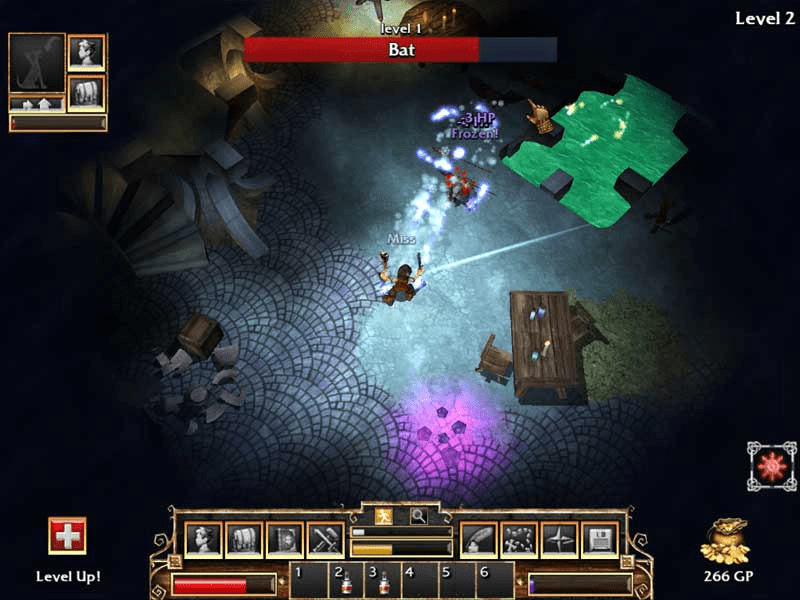
    Fate was an action-RPG dungeon crawler similar to Diablo. You created a custom hero and explored the randomly generated dungeons beneath the town of Grove, collecting loot and battling monsters. You even had a pet companion you could transform by feeding it fish caught while exploring — a quirky little feature that became surprisingly addictive. 

    Screenshot from the game FATE showing a hero exploring a dungeon and battling monsters with magic and weapons.
    FATE let players explore endless dungeons, collect loot, and battle monsters in one of the most charming early-2000s RPGs.

    The sequels expanded the formula with new races, infinite dungeon levels, weapons, armour, and quests. One standout feature was the ability to transfer your character between games, so every play session felt like progress rather than a restart — pretty unique for the time. 

    Years later, after moving to PC gaming, I rediscovered the series during a Steam Summer Sale, bought the lot, and instantly felt that wave of nostalgia come rushing back. 

    While researching this post, I discovered something I didn’t know — the entire Fate series was remastered in early 2025 with updated visuals, widescreen support, and modern compatibility. It’s amazing that a game I first found pre-installed on a laptop all those years ago has now been brought back for a new generation. 

    Cover art for FATE Reawakening showing a mysterious hero surrounded by blue and red magical flames.
    FATE Reawakening revived the classic dungeon-crawling RPG for a new generation, keeping its signature charm and adventure alive.

    The WildTangent Game Center also introduced me to a couple of other gems I could just about run on that potato of a laptop — Torchlight (fun fact: Fate’s lead designer Travis Baldree later co-founded Runic Games, the studio behind it) and Final Drive: Nitro, a simple arcade racer that I’d play endlessly whenever I was offline. 

    Honourable Mention – Miniclip 

    Logo of Miniclip featuring the text “Miniclip Play Games” on a blue background.
    Miniclip was home to countless iconic browser games that defined the early 2000s internet gaming era.

    I couldn’t finish this post without circling back to Miniclip, one of the true gems of early internet gaming. It was the platform where I discovered so many of my favourite browser games — and I specifically credit it for helping me rediscover RuneScape again later in life. 

    I have so many fond memories of visiting my grandparents at the weekends and playing on my gran’s laptop. I’d spend hours jumping between tabs — Commando 2 on one, War of Legends and Evony on others — managing my cities in one window while firing grenades in another. It was chaotic, but brilliant. 

    Miniclip was the ultimate gateway for so many of us — an entire universe of free games just a click away. Sadly, the platform finally shut down its servers not long after Adobe ended support for Flash in 2020. It marked the end of an era. Hundreds of classic Flash games were lost to time, and it felt like a small but significant moment in gaming history — the point where the world truly shifted from browser-based games to mobile gaming. 

    Even now, hearing that old Miniclip logo jingle instantly transports me back to simpler times — when fun was measured in loading bars, not frame rates. 

    Final Thoughts 

    Looking back at these games reminds me how much simpler things once were — afternoons spent swapping browser tabs, building bases, or racing blocky cars on tiny screens. It was a time before microtransactions and battle passes, when fun was just a click away. 

    It’s wild to think how much gaming has evolved since then, but these titles still hold a special place in my heart. They weren’t just games — they were little worlds that sparked creativity, curiosity, and community. 

    🎮 What about you? Which old-school games defined your childhood? Drop a comment below or share this post with a friend who spent their weekends on Miniclip, RuneScape, or a Game Boy Advance. 

  • RuneScape: Why It’s My Favourite Game of All Time

    RuneScape: Why It’s My Favourite Game of All Time

    When I put RuneScape at number one in my “Top 10 Games” blog post, I realized a paragraph could never capture what this game truly means to me. So, here it is—my dedicated love letter to the most influential game of my life.

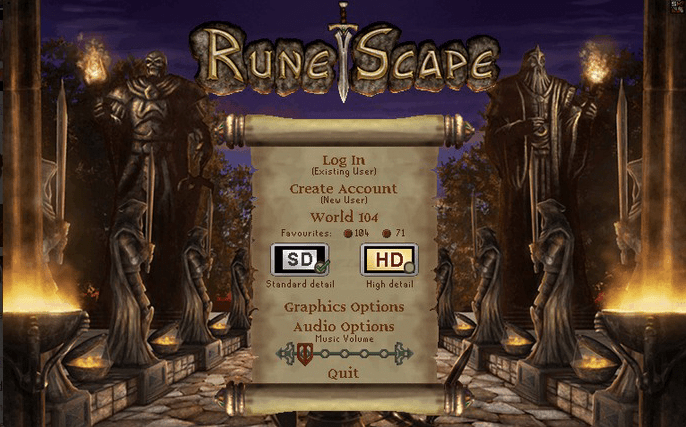
    RuneScape HD Client from 2006

    The Origins: A Rainy Day in 2006

    Ah, RuneScape. The black hole that has swallowed over 5,000 hours of my life (yes, really). The game I’ve always found my way back to, no matter how many times I try to quit—Its probably more addictive than crack (I assume anyway).

    I genuinely can’t remember how young I was when I started playing. All I know is that my main account is now over 14 years old, which still blows my mind.

    My first RuneScape memory is vivid as ever: it was around 2006, pouring with rain, visiting a friend who lived far away. Our parents and siblings were watching TV downstairs. We snuck upstairs to their family computer so he could show me this new game he had discovered. From the second he logged in, I was hooked. We wandered around Lumbridge, picking up cabbages and potatoes until I found a dagger and took down my first goblin, who dropped a goblin mail. I was convinced I managed to wear it (spoiler: definitely not possible), but the excitement was real—a core memory forever unlocked.

    Rediscovering RuneScape—and the True Adventure Begins

    Back then, I didn’t even have access to a computer, so that first experience faded. Until, that is, late 2008, when RuneScape hit a wave of popularity thanks to the new HD client. Suddenly, all my school friends were playing. I distinctly remember huddling round another friend’s screen as a group of us fought our first green dragon together, armed with Dragon Daggers. It was thrilling—we cheered as if we’d conquered the world when that dragon finally fell.

    But it wasn’t until Christmas a year later, when I finally got a laptop of my own, that I dove in properly. While most of my friends drifted away, I found myself drawn deeper and deeper into Gielinor. I tried (and abandoned) a lot of different accounts at first, but finally, in October 2011, I created the one account that would become my digital home for over a decade. Fast forward to today, and—wait for it—I’ve logged an insane 5,666 hours on RuneScape.

    More Than Just a Game

    What turned RuneScape from a pastime to a lifelong passion? The community, for one. Playing with friends and building clans, sharing goals, and even rivalries. I loved leveling my skills (maxing them all for the first time was a personal triumph!), chasing wealth, and diving into boss fights.

    I was always setting myself challenges: killing 10,000 of each dragon type (I only managed two before admitting defeat—there are A LOT of dragons), or collecting every possible boss drop. I nerded out over the in-game economy: flipping items on the marketplace, timing my buys and sells during Double XP weekends. Oddly enough, I picked up real-life lessons about trading, money management, and persistence while playing this “silly” online game.

    My RuneScape journey wasn’t limited to the game itself. I even joined the RuneScape Instagram community for a while, posting edited screenshots of my in-game milestones. It was a great way to meet other fans—and find inspiration for new goals.

    Of course, not all experiences were positive. I had my first brush with gambling at the Duel Arena: I made 100m one night, only to be scammed and then lose it all—plus another 60m—just as quickly. That sting stuck with me, and honestly, put me off gambling in real life too.

    A Real-World Community

    Some of my best RuneScape memories happened outside the game. In 2017, I flew to London for RuneFest with friends. We hit the pre-party, geeked out with famous streamers like Mr Mammal, Woox, and Boaty, and got to play the RuneScape Mobile Beta before anyone else. The whole event felt electric—plus, we made new friends and wandered the city together after. Those are memories you can’t buy.

    Through the game, I also met one of my best friends, who lives in another country—our friendship now spans over seven years (and multiple games together). I’ve even flown across borders to hang out IRL.

    RuneScape 3 vs. Old School—Finding My Niche

    I’ve always been a RuneScape 3 player at heart. I’ve tried Old School RuneScape, especially since most of my friends made the switch, but it just never clicked for me. OSRS is more click-intensive, the XP rates are lower, and—let’s be real—I wasn’t keen on starting from scratch after years of progress. RuneScape 3 has become more of a “second screen” game for me, something casual to grind while watching TV or playing something else. Still, I have huge respect for the OSRS community and would absolutely recommend it to anyone looking for a challenge (and a vibrant, nostalgia-soaked community).

    Giving Back: The Golden Party Hat Drop

    About six months ago, I felt the urge to “retire” in a memorable way. I wanted to give back to the community that had given me so much. So, I started stockpiling Golden Party Hats—managed to save up 15! I took them to the Grand Exchange in a free-to-play world and hosted an impromptu drop party, scattering hundreds of millions of GP worth of items for anyone to find. People absolutely lost their minds. For an hour, I handed out wealth, in the hopes of sparking that same feeling someone once gave me when they gifted me a Robin Hood hat as a newbie. It was my way of paying it forward—a small legacy.

    Of course, even giving everything away didn’t keep me away for good (as I write this, I’m literally AFK farming Green Dragons… old habits die hard).

    Why RuneScape Still Matters

    Even though I stopped playing “seriously” about three years ago, I’ll always come back for a nostalgia hit. Over 11 years, I maxed my account, hit 120 in five skills, and forged friendships that have lasted far beyond the game. I have zero regrets for a single hour spent in Gielinor.

    If you’re considering giving RuneScape a go—do it. RuneScape 3 is fantastic for a more relaxed experience and epic boss battles. If you want a hardcore grind with an active, tight-knit community, Old School might be your new home. Either way, there’s a blast waiting for you.

    Have you played RuneScape before? What’s your favourite memory from the game? I’d love to hear your stories!

  • From Childhood Builds to Collector’s Shelves: My Lego Star Wars Story

    From Childhood Builds to Collector’s Shelves: My Lego Star Wars Story

    Lego Star Wars isn’t just a hobby for me—it’s a treasure trove of memories and experiences that have shaped my love for both Lego and the Star Wars saga over the years. From the thrill of building my very first X-Wing as a kid to late-night sessions piecing together intricate sets with friends, each Lego Star Wars model holds a special place in my heart. Through every brick and minifigure, I’ve not only recreated epic scenes from a galaxy far, far away but also built lasting memories that I cherish today. 
    In this blog post, I want to take you on a journey through my personal history with Lego Star Wars—sharing the sets that marked important moments, the lessons I’ve learned as a collector, and the stories that make this hobby so meaningful to me. Whether you’re a fellow enthusiast or just curious about the magic behind Lego Star Wars, join me as I look back on the experiences that have made this adventure unforgettable. 

    Looking back, I honestly can’t pinpoint exactly when my Lego journey started—it feels like these colorful bricks have always been a part of my life. My earliest Lego memory goes all the way back to building a car with my dad, using his own childhood set. The box was filled with a nostalgic jumble of mismatched yellow and red bricks, plus some big, chunky wheels. There were no instructions, no pressure—we just let our imaginations take the wheel and enjoyed the simple act of building something together. Sometimes, we’d run out of bricks mid-build, and I’d wish for an even bigger box, dreaming up future creations. 

    Lego wasn’t just about building for me; it was about bonding, creativity, and even venturing into new worlds of play. I was obsessed with making cars—especially ones from Formula 1 —in every shape and size, adapting my designs depending on what caught my interest that day. My love for Lego even spilled over to the digital world with Lego Racers on PC, where I could design my own kart and race Mario Kart-style. These early experiences built the foundation of fun, creativity, and nostalgia that still fuels my Lego Star Wars hobby today. 

    Some of my best childhood memories revolve around long afternoons spent building with my brothers. Together, we’d lose ourselves for hours, each of us adding to sprawling custom worlds inspired by whatever sparked our imagination that day. Sometimes we’d design high-tech sci-fi bases, complete with robot guardians; other times, we’d craft grand fantasy castles filled with rival knights and horses. It was all about teamwork, storytelling, and letting our creativity run wild. 

    The first Lego theme I truly fell in love with was Lego Knights’ Kingdom, which launched back in 2004. While I can’t remember every set I owned, I have vivid memories of their buildable action figures. One that stands out was when my parents surprised me with the King Mathias set (8786) at the pub to keep me entertained—looking back, it’s wild to realize how long ago that was! 

    Lego Knights Kingdom 8781
    Lego Knights Kingdom 8781 – The set I always wanted but never got!

    Birthdays and Christmases were always filled with the hope of receiving Lego sets. Every year, I’d painstakingly circle my wish-list in the Argos catalogue (if I’m honest, it was pretty much every set). On gift-giving days, I’d eagerly shake every present for that unmistakable Lego rattle. As I grew older, my attention shifted fully to Lego Star Wars, fueled by my obsession with both the movies and the games. (Check out my top 10 games here! ) Special traditions made the hobby even more magical. A birthday trip to Legoland was always the ultimate treat, and I was lucky enough to visit a few times. Exploring the incredible Lego buildings, riding the themed attractions, and earning proud batches of Lego driving licenses (I collected three or four over the years!) are memories I’ll always cherish—and ones I can’t wait to share with my own kids. I still remember the excitement of buying a foam sword and shield from the Lego Knights’ Kingdom market, then racing home with my brother to spend days on end play-fighting and letting our fantasies come to life. 

    There are so many stories I could tell, and if you want to read more of my favorite Lego memories, be sure to check out this post here!  

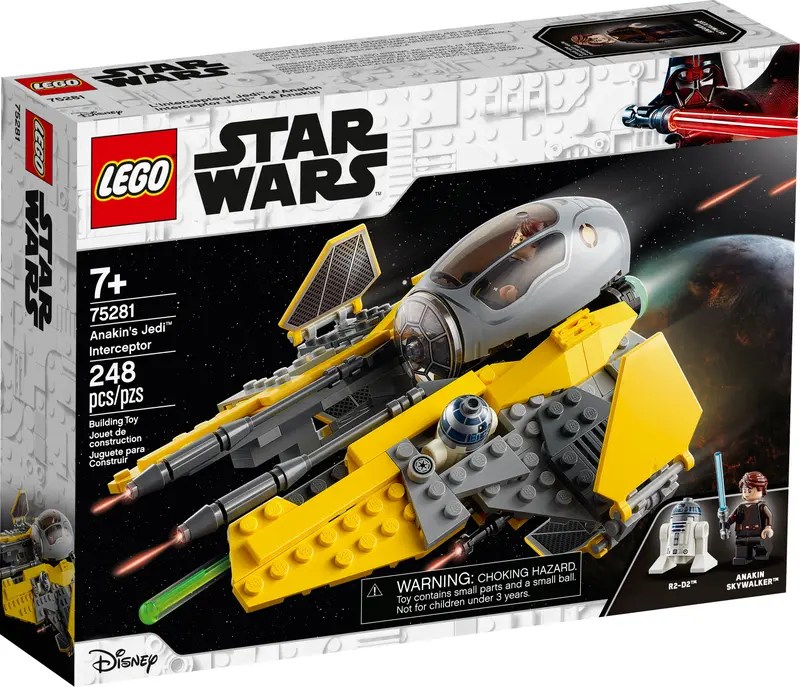
    Like many lifelong fans, I went through the infamous “dark ages” where I hardly touched a single Lego brick. But everything changed a couple of years ago, just before Christmas, thanks to my girlfriend. During the first Covid Christmas, with the world in lockdown, she gifted me Anakin’s Jedi Interceptor (75281) so we could build it together. It was the perfect way to spend time when we couldn’t go out, and it reignited all those childhood feelings I’d nearly forgotten. I built the set within hours of receiving it—the rush of excitement was so real, it felt like my childhood was coming back in full force. (Still a bit sad I misplaced the set during a move, but the spark was definitely lit again!) 

    Lego Star Wars Anakin’s Jedi Interceptor 75281

    A year later, the 501st Legion Clone Troopers (75280) became part of my collection—a set that’s practically legendary among Star Wars fans. Soon after, I stumbled across a sealed but battle-worn Kashyyyk Trooper battle pack being sold locally and couldn’t resist picking it up for my growing clone army. With these sets, I suddenly found myself reminiscing about all the Lego Star Wars boxes gathering dust in my parents’ attic. I called them up, asked if I could finally dig them out (which I’m sure they were grateful for), and coming home to rediscover all those old pieces and minifigs was just such a wave of nostalgia. It felt like reconnecting with an old friend. 

    At first, I was a bit self-conscious about being an adult who builds Lego—worried what others might think, and hesitant to share much about my hobby. But my partner was super supportive, and as I started opening up, I discovered that several friends were secretly Lego fans too! It turns out, there’s a massive community of adult Lego fans (AFOLs) out there, and the more I shared, the more connections I made. Now whenever one of us grabs a cool new Star Wars set or finds a great deal, we can’t wait to share it in our group chat. Sometimes friends will come over, and while some of us watch TV or do puzzles, I’ll build a Lego set and we’ll catch up, chat, and just hang out. Every time a new wave of releases drops, we’re all sharing our favorites and nerding out together. Honestly, it’s been such an unexpected source of fun and connection as an adult—I wouldn’t trade it for anything. 

    I’ve been back in the Lego Star Wars hobby for almost four years now, and my collection has grown far more than I ever imagined. Through a mix of buying awesome new releases and rebuilding old favorites, I’ve managed to assemble a total of 71 different Lego Star Wars sets—ranging from classics released in 2009 all the way up to sets dropping in 2025. I even have a few duplicates stashed away, ready to trade with friends or maybe keep for my kids someday. 

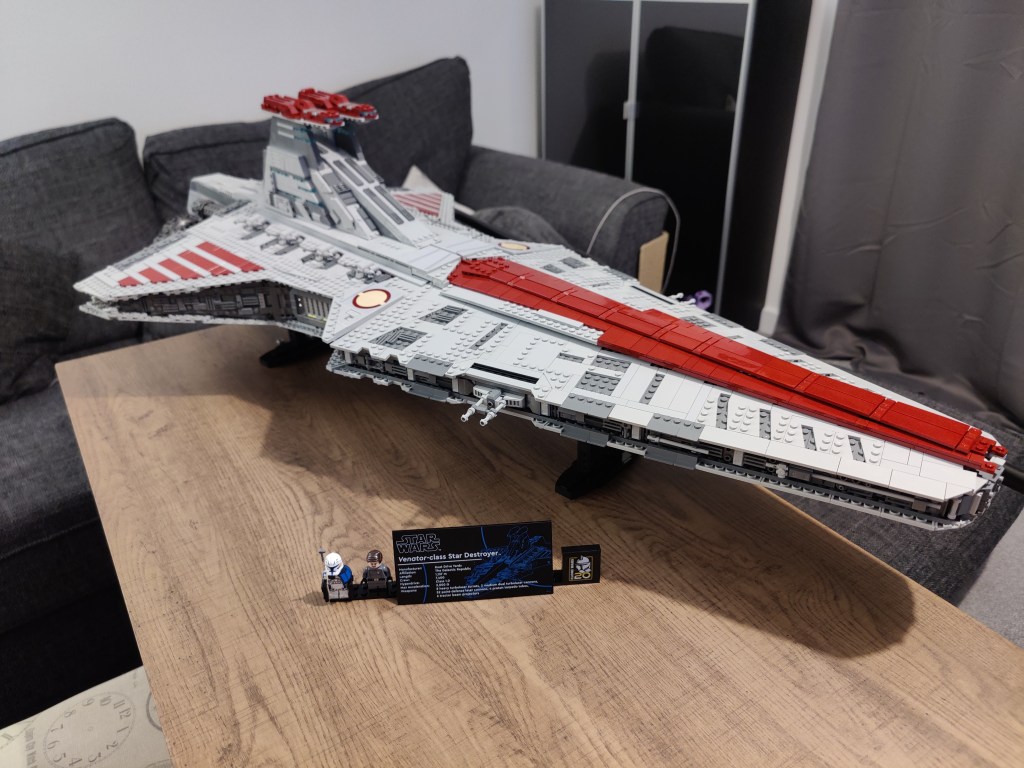
    A full tour of my collection deserves its own blog post, but here are some of my absolute highlights. The UCS Venator is probably my crown jewel—it was my very first Ultimate Collector Series set and it feels epic seeing it on display. Another standout is my Sith Fury Interceptor from 2012. As I mentioned in my post on my top 10 Star Wars games, Star Wars: The Old Republic is a game I adore, so owning sets from that era means a lot. I was lucky enough to grab the Fury Interceptor when it first came out, even before I played the game! In 2023, I started the mission to hunt down every single SWTOR-inspired set. I’m nearly there—just two elusive minifigs from the Jedi Defender Class Cruiser remain on my wishlist. They’re the most expensive, of course, but collecting wouldn’t be as fun without a little challenge! Those Old Republic ships have been on display ever since I got them. 

    Most of my Lego sets are proudly displayed across three sets of shelves scattered around the house. I’ve even crafted a custom display frame to showcase my favourite minifigures when I run out of shelf space! I usually theme each shelf—matching sets from similar Star Wars eras or planets—so things look tidy, organized, and a bit like a mini Star Wars museum. I love to swap things around, especially when a new release comes out, to keep everything fresh and exciting. The only downside? Keeping sets dust-free! Right now, I spend two or three hours every couple of weeks cleaning them, so I’m definitely planning on updating to sealed glass displays soon. I’ve got my eye on those custom WickedBricks acrylic cases for Ikea shelves—they’re high on my ever-growing Lego collector wishlist. 

    While Lego Star Wars is really the only theme I’m seriously collecting, I have to admit the new Lego Formula 1 sets are incredibly tempting. F1 was a huge part of my childhood, and I’m a longtime Red Bull Racing fan, so I had to grab the RB21 Speed Champions set when it came out—it has pride of place in my living room! The larger Technic sets look phenomenal, but with limited space (and budget), I’ve managed to resist for now. I’m also eyeing some of the new medieval Lego sets, since those classic knights and castles bring back great memories, but for now, I’ll just admire them from afar. Having “adult money” is fun—and a little bit dangerous—but the Lego wishlist always seems to stay one step ahead! 

    One of the things I’ve loved most about my return to Lego Star Wars is finding a whole community of fans who share the same passion. There’s something really inspiring about seeing other people’s custom builds, sharing collecting tips, and keeping up with the latest Lego Star Wars news. I’m active on a few great Lego subreddits like r/Lego, r/LegoStarWars, and r/LegoLeak—they’re perfect for discovering incredible MOCs (My Own Creations), catching sneak peeks of upcoming sets, and finding the occasional bargain. 

    When it comes to video content, MandRproductions is my go-to Lego YouTuber. His vlogs always have a fun mix of collection updates, unboxings, and set reviews. Even though I’m not someone who’s on social media every day, I always look forward to checking in and catching up on the latest videos and community discussions. 

    A real highlight of being part of the Lego Star Wars community is the annual Lego May the 4th Promotion. Each year, Lego celebrates all things Star Wars with some of the year’s best discounts and exclusive gifts-with-purchase (GWPs)—a true event for collectors! For me, May the 4th is the one time I let myself go big, usually picking up several discounted sets all at once to take advantage of the deals and free collector’s items. I don’t usually buy the newest sets right on release; I find it’s smarter to wait a year or so, when they’re more affordable. Right now, I’m still working my way through sets from 2024, and no doubt I’ll be chasing the 2025 releases a year from now. It takes a little patience, but it makes collecting much more sustainable—and let’s be honest, Lego can get expensive pretty fast! 

    Whether it’s through online forums, YouTube content, or community events like May the 4th, connecting with other Lego Star Wars fans has added a whole new layer of enjoyment to the hobby. There’s just always something new to see, learn, or get excited about. 

    As I’ve grown older, my love for building Lego has taken on a whole new meaning. Beyond the nostalgia and the fun of collecting Star Wars sets, building Lego has become a genuine form of relaxation and mindfulness in my adult life. With a busy schedule and an ADHD brain that never really switches off, sitting down with a new Lego set helps me slow down, focus, and just enjoy the process—one step at a time. It’s almost meditative. I’ve learned to savor the experience too—whereas I used to rush through a set in one sitting, now I tend to build just a few bags at a time, stretching the enjoyment out over several evenings. 

    Lego isn’t just a solo hobby, either. My collection has actually turned out to be a great conversation starter whenever people visit. Guests love to check out what’s new on my shelves, and the collection always sparks fun (and sometimes surprising) discussions. For anyone who finds small talk awkward (like me!), sharing a passion like Lego makes connecting with others that much easier. 

    An unexpected side effect of being back in the hobby is that I’ve become interested in the economics of Lego collecting. When I started looking up old Star Wars sets I missed out on, I was shocked by how much some of them now sell for—especially if they’re sealed! That realization led me to start collecting sealed sets myself, both as a potential investment and for pure collecting satisfaction. Admittedly, I got a bit carried away at first, snapping up battle packs and sets without really thinking through exactly where I’d keep them all. But I’ve been fascinated to see how well Lego sets hold their value over the years, especially compared to some other collectibles. 

    Overall, Lego has become my go-to for unwinding, a surprising means of social connection, and even a lesson in patience and value. It’s all these little things that have made it something I genuinely appreciate having in my life now. 

    Tips for New or Returning Lego Fans 

    If you’re thinking about jumping back into the world of Lego—especially Lego Star Wars—here are a few tips I’ve picked up that can save you time, money, and a lot of hassle! 

    Be Patient with New Sets: My top advice? Don’t feel pressured to buy every new set on release day. I know the hype can be tempting, but if you wait just six months or so, you’ll usually start to see some great discounts both online and in stores. Over time, these savings really add up—plus, searching for deals becomes its own fun challenge. 

    Brick-Hunting and Bulk Buying: If you enjoy the thrill of the hunt and don’t mind a little sorting, try buying Lego bricks in bulk from local Facebook Marketplace ads or car boot sales. You never know what hidden treasures you’ll uncover—sometimes you’ll find rare pieces or classic minifigs mixed in. Collecting loose bricks is also a fantastic way to grow a parts collection for building MOCs or even recreating official sets without buying them new. 

    Make Use of Free Resources: Did you know Lego offers instructions for nearly all their sets online? If there’s a particular set you love but don’t own, simply download the parts list and get to work sourcing bricks yourself. It’s like a personal Lego scavenger hunt! 

    Check for Forgotten Lego: If you grew up with Lego, definitely ask your parents whether there’s an old box or bin still lurking in the attic or garage. Rediscovering your childhood collection is not just nostalgic—it can sometimes yield some real gems that are hard (or expensive!) to find today. 

    Get Involved with the Community: Reddit is one of my favorite Lego resources, with active subreddits like r/Lego and r/LegoStarWars. These communities are welcoming spaces to ask questions, share your latest builds, swap collecting tips, and celebrate your hobby with others who “get it.” There’s no shame in enjoying what you love—embrace your interests and do what makes you happy! 

    Whether you’re starting from scratch or diving back in, the Lego community is more welcoming and helpful than ever. 

    Looking back on my Lego Star Wars journey, it’s amazing to see how much joy, creativity, and connection these little bricks have brought into my life. From building mismatched cars with my dad and epic castles with my brothers, to rediscovering the magic as an adult alongside friends and my partner—Lego has added something special to every stage of my story. 

    Today, Lego is more than just a hobby; it’s how I unwind, express myself, and bond with a vibrant community of fellow fans. Whether it’s hunting down rare sets, completing a challenging build, or simply showing off my collection when someone visits, Lego continues to spark excitement, nostalgia, and new friendships. 

    If you’re considering getting back into Lego, or starting your own Lego Star Wars collection, my best advice is: just go for it. Build at your own pace, chase what makes you happy, and embrace the magic—no matter your age. 

    I’d love to hear from you—what was your first Lego set, or the favourite one you built as a kid? Do you have any special Lego memories from your childhood, or a set you still dream of owning? Share your stories in the comments below, and let’s celebrate our love for Lego together. May the Force (and builder’s luck) be with you! 

  • My Ultimate Top 10 Favorite Games of All Time

    My Ultimate Top 10 Favorite Games of All Time

    A bit of a different post today! I thought I’d go back to where my interest in computers really started—playing games. So what better way to kick things off than by sharing my Top 10 games of all time? These are the ones I’d recommend to anyone, and the ones that mean the most to me—all of them have been my number one at some point in my life.

    My gaming journey has mostly been on Xbox, ever since I got my first proper console—the original Xbox—and I’ve had every generation since. I only branched out to PC because I wanted to experience RuneScape in higher quality (and trust me, it was worth it). That jump to PC ended up being a gateway to so many new games I never thought I’d get into.

    Everyone’s got those games they just can’t forget, and these are mine. These are the titles I keep coming back to, packed with stories, memories, and more late nights than I can count. Let’s dive in!

    10 – Rise of the Tomb Raider

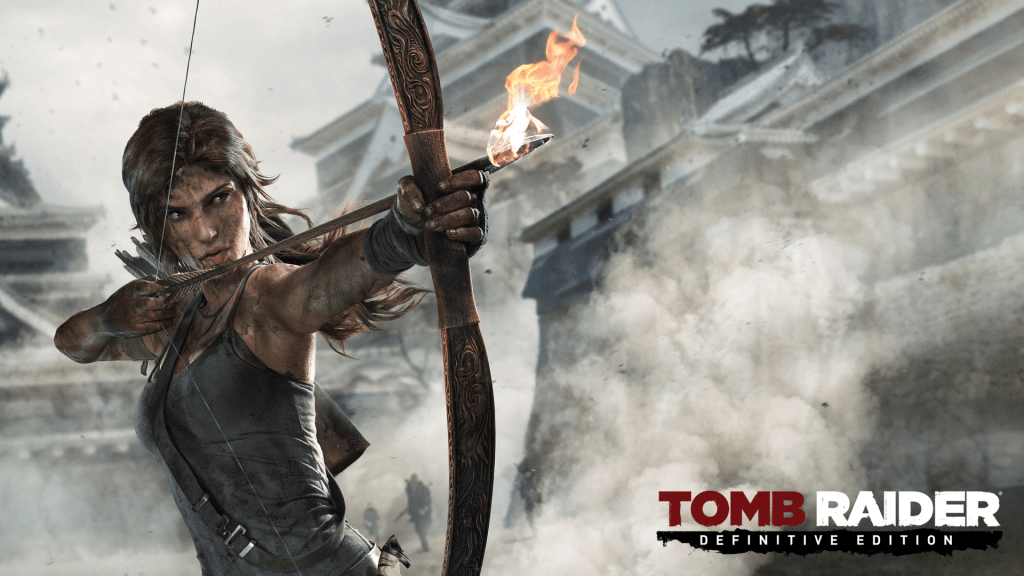
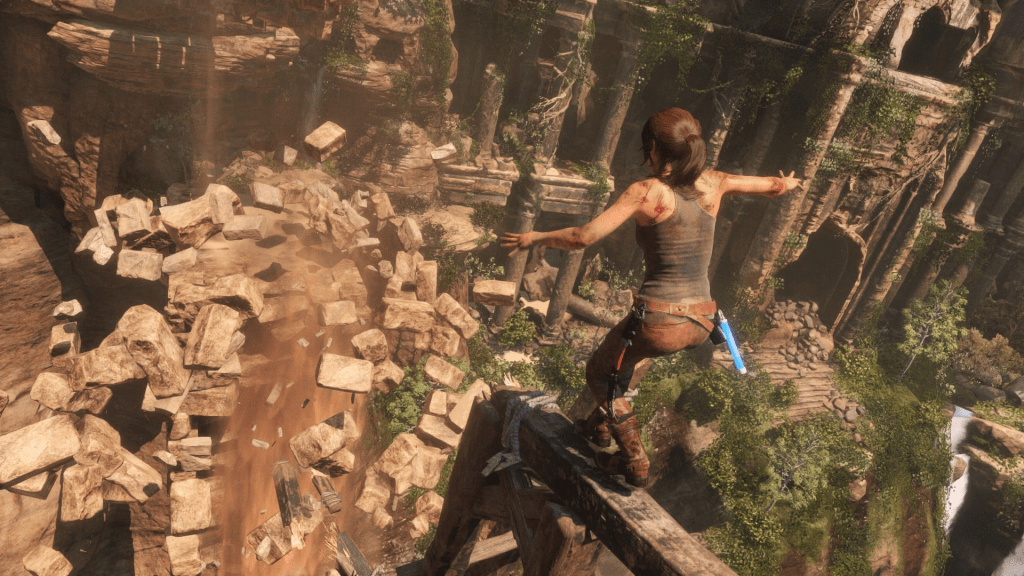
    Out of all the games I’ve played, Rise of the Tomb Raider easily claims a spot in my top ten—and it’s not just because of the epic action and gorgeous graphics (though, trust me, those help). 

    I picked it up on PC in on its release in 2016 and was instantly blown away by the incredible graphics and immersive environments. Exploring the snow-covered wilds and ancient ruins felt like an adventure I didn’t want to end, and I often caught myself pausing just to admire the scenery. 

    What really hooked me, though, was Lara’s growth as a character. The story picks up right after the 2013 reboot, and seeing Lara become stronger and more complex kept me fully engaged. I also loved how the revamped skill trees let me shape her abilities to match my playstyle, making every upgrade feel personal. 

    Ultimately, it’s the combination of beautiful design, exciting customization, and Lara’s evolving journey that makes Rise of the Tomb Raider unforgettable for me. It’s the kind of game I’d recommend to anyone who loves a good adventure. 

    9 – Tomb Raider (2013)

    Sometimes a game totally defies your expectations—in the best possible way. That’s exactly what happened to me with the 2013 Tomb Raider reboot. 

    When it launched, I don’t think anyone—myself included—was prepared for just how good it would be. This reboot reimagined Lara Croft as a much younger and more vulnerable adventurer, focusing on her first, harrowing steps toward becoming the icon we know today. The game took a darker, grittier approach to her origin story, and it was a breath of fresh air for the series. 

    What really made it stand out for me were the updated combat mechanics, absolutely gorgeous graphics, and immersive world. The story is intense from the very beginning—I still remember jumping out of my seat trying to escape those terrifying tunnels after Lara’s disastrous fall. It was genuinely exhilarating. 

    This is one of those games I’ve played over and over—I even lost track of my replays. My brother got so into it he tried to 100% complete everything. For me, the 2013 Tomb Raider isn’t just a reboot; it’s a must-play adventure that left a real mark, and one I’m always happy to revisit. 

    8. Ark: Survival Evolved

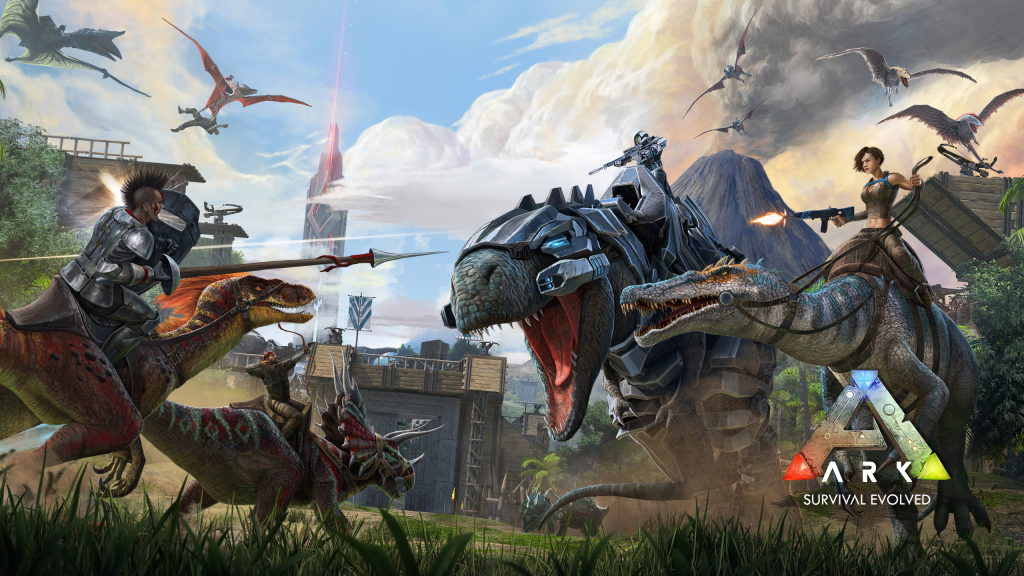
    I was embarrassingly late to the ARK: Survival Evolved party—not diving in until 2021—but I wish I’d tried it way sooner. 

    For years, friends kept recommending ARK, but always as a PvP experience—and honestly, PvP never interested me. It was only when my partner and I finished A Way Out and began hunting for our next couch co-op adventure that I finally gave in, spotting ARK on sale in the PS4 store. In a time when local co-op feels like a dying art, ARK reminded me exactly why it needs to come back. 

    Set in a prehistoric world filled with dinosaurs, survival challenges, and endless possibilities, ARK quickly turned into our digital playground. We had a blast exploring new areas and taming all sorts of wild creatures, even creating our own personal zoo and breeding baby dinosaurs. On PS4, the only real downside was being tethered to within about 300 meters of each other, which made exploring as a team a bit tough. Eventually, we couldn’t resist upgrading to an Xbox Series X, where that limitation disappeared and the graphics blew us away. Suddenly, we could roam independently—and that freedom made the game even better. 

    I’ve now logged over 400 hours exploring every corner of ARK’s various maps, and it’s a game my partner and I keep coming back to. If you’re looking for a survival adventure that rewards teamwork and curiosity—or just want to make your own dino zoo—ARK is absolutely worth your time. 

    7 – Star Wars: The Old Republic

    Some games are truly worth the wait—Star Wars: The Old Republic (SWTOR) is definitely one of those. 

    I missed the game’s big 2011 launch, mostly because my old laptop couldn’t handle it, even though those unforgettable cinematic trailers completely sold me on the idea. It wasn’t until I built my first proper PC and started seeing ads for the Shadow of Revan expansion that SWTOR jumped back onto my radar. With Revan being one of my favorite characters from the Knights of the Old Republic era, I downloaded it immediately. 

    What surprised me most was just how much choice the game offers: there are eight unique character classes (four for the Republic, four for the Empire), each with its own engaging story and playstyle. No matter how many times I returned, I could always pick a new class for a totally fresh experience. My first run as a Sith Inquisitor was so immersive—with awesome cutscenes, stellar voice acting, and a storyline that kept me hooked all the way through Shadow of Revan and beyond. 

    Since then, SWTOR has only gotten bigger. The game now boasts multiple major expansions—Rise of the Hutt Cartel, Shadow of Revan, Knights of the Fallen Empire, Knights of the Eternal Throne, Onslaught, and Legacy of the Sith. Every expansion adds more content, stories, and ways to play, making it easy to lose yourself in the galaxy again and again. 

    One of my favorite aspects is the community. I created and managed a guild with over 200 players. Together, we tackled grouped flashpoints, dominated weekly heroics, and ran regular events—or just chilled out on our guild flagship. The social side of SWTOR has brought me back time and again, especially when new content drops. 

    All in all, SWTOR is one of those rare games I keep coming back to, year after year. While it might not be as popular as it once was, it still has a strong, loyal fanbase and continues to receive new content and expansions, keeping the galaxy alive for both new and returning players. For Star Wars fans or MMO enthusiasts, I can’t recommend it enough—it’s hands-down one of the best Star Wars games out there. 

    6 – Fallout 4

    Fallout 4 wasn’t even on my radar until my brother and I unwrapped our Xbox One at Christmas 2015—and there it was, bundled right alongside Halo 5. Being a die-hard Halo fan, I put Fallout aside for a while, not realizing I was about to be sucked into one of the most addictive games I’d ever played. 

    Right from the dramatic intro, the game pulled me in: create your character, watch the world end, and suddenly you’re a parent searching for your son in the Wasteland. Bethesda’s classic combat system gave me endless ways to experiment, but what really got me hooked was the settlement building. I spent hours scavenging junk to build and defend massive forts, set up farms, and create little civilizations to keep the Wasteland running. 

    The story was a blast, with plenty of factions to side with and new endings to find. And with all the wild mods out there, the game never really got old. My personal highlight? Finally assembling a full set of X-02 Power Armor, or finishing the game with the Brotherhood of Steel powerhouse, Iron Giant vibes (If you know, you know)  

    Looking back, Fallout 4 completely surprised me—and ended up being one of my top gaming experiences, and each DLC brought something new and exciting, keeping me coming back for more. 

    5 – Halo 4

    Halo 4 was the first Halo entry from 343 Industries, but for me it became an instant favorite—and easily the game I’ve replayed the most by far. Picking up right after Halo 3, suddenly we’re waking up as Master Chief in the wreckage of Forward Unto Dawn, only to be whisked away into the mysterious shield world of Requiem and thrown headlong into a battle with the Forerunners. New weapons, new enemies, and a fresh direction for the story (less Covenant, way more Forerunner intrigue) made it feel like a whole new world for Halo. 

    The campaign was a blast solo, but it really shined in co-op—I lost count of how many times my brother, my partner, and I ran through those missions together. I absolutely loved Forge mode too; nothing beat designing maps, setting up bases at opposite ends, and trying to outwit my brother in Capture the Flag showdowns. 

    And honestly, this was the online FPS I put the most hours into. Tons of maps, wild game types, and an addicting armor unlock system meant most of my multiplayer glory days were spent right here, climbing ranks and, on rare occasions, actually carrying the team. Halo 4 will always be a highlight in my gaming history 

    4 – Halo: Reach

    Before the 343 Industries era and Halo 4, there was Halo: Reach—the final Halo from Bungie, and what a game to end on. As a direct prequel to Halo: Combat Evolved, Reach pulled me into the emotional chaos that led to the fall of humanity’s last major stronghold before Master Chief’s journey ever began. Instead of focusing on familiar faces, we joined Noble Team, a squad of Spartans with their own personalities, all fighting a losing battle against impossible odds. It was a bold move that really paid off. 

    I loved the shift in tone—on Reach, there are no happy endings, and it made every mission feel meaningful. Co-op was a huge highlight here; my friends and I would lose hours running missions together, strategizing our way through impossible firefights. 

    One of my absolute favorite additions was the Falcon, a new aircraft that offered a fresh way to zip around the battlefield. And I have to shout out Firefight mode, which cranked up the intensity with wave after wave of tougher enemies—surviving ‘just one more round’ often turned into a whole evening of mayhem. 

    Forge mode was back and better than ever. I distinctly remember having friends over and spending hours building what we claimed was the “ultimate sky base” high above the map. We never really finished it, but man, it was awesome seeing our wild plans take shape. 

    While a lot of fans call Halo 3 the series’ peak, for me, Halo Reach was something truly special—raw, creative, and unforgettable. 

    3 – Star Wars: Knights of the Old Republic 2

    Ah, the infamous unfinished sequel—Star Wars: Knights of the Old Republic II, easily one of my favorite RPGs and, if we’re being honest, the follow-up to the best Star Wars game ever made. After the phenomenal success of the first KOTOR, expectations were sky-high. This time, Obsidian took the reins and set us loose a few years after Revan’s story ended. 

    Funny thing is, I didn’t even realize KOTOR had a sequel. I only stumbled onto it when I was hunting for a replacement copy of the original (which I was convinced I’d lost forever). Discovering that there was more KOTOR to play was a next-level revelation—I had to beg my dad to buy it for me. Once I had it in my hands, I tore into it like it was a lost holocron. 

    Right from the start, you’re tossed into a galaxy that feels both familiar and brand new. Instead of playing as Revan, you’re the mysterious Jedi Exile, trying to piece your past together while navigating a war-torn galaxy where Jedi are being hunted to extinction. One of my favorite surprises? Running into old friends and former allies from the first game. Those moments felt like unexpected reunions—sometimes rewarding, sometimes awkward, always fun to see how each character had changed (or not) since the original adventure. But honestly, it’s the new characters, each with their unique quirks and backstories, who really steal the show. 

    What set KOTOR II apart for me was how much deeper the game went with customization. Weapon and armor crafting got a serious upgrade—suddenly your skill choices actually mattered. If you wanted to build the best lightsaber or perfect your armor mods, you had to invest in the right abilities to make it happen. 

    But hands down, the best feature was the companion influence system. Your choices shaped how your crew viewed you, unlocking new dialogue, side quests, and—here’s the kicker—potentially training companions to become Jedi or Sith. I still remember the shock and excitement when I accidentally unlocked a swath of new Force powers for a buddy on Nar Shaddaa. It completely changed how I thought about party management. 

    The adventure took us to some unforgettable new planets, dove deep into Mandalorian lore, and introduced not one, but three new antagonists—each more mysterious and morally gray than the last. The writing was brilliant, with every companion and enemy feeling nuanced and real. 

    Sure, KOTOR II had its flaws—rushed development meant a lot of planned content never made it into the final cut. Thankfully, the legendary Restored Content Mod salvaged much of what was lost, and I’d recommend it to anyone playing the game now. 

    Even unfinished, KOTOR II easily improved on the original in some ways. It still amazes me to think of what we might have had if it was given the development time it deserved. As it stands, it’s a flawed masterpiece—and one I still find myself coming back to, just to see what new twists another playthrough might bring. 

    2 – Star Wars: Knights of the Old Republic

    No game on this list took me longer to beat—and none had a bigger impact on my passion for Star Wars—than Knights of the Old Republic. 

    Star Wars: Knights of the Old Republic (KOTOR) is a legendary, story-driven RPG set thousands of years before the films. With its unique turn-based combat and your choice between the light or dark side, KOTOR hands you the fate of the galaxy and lets you shape your story one decision at a time. 

    My journey with this game is a saga all its own. I don’t even remember buying KOTOR; it just showed up one day in a pile of old Xbox games, tucked away in our wooden chest of console games. My first encounter with the game was less than heroic: I got completely stuck in the tutorial on the Endar Spire, unable to figure out how to escape the bridge. I gave up in frustration and set it aside for what turned into years. 
    The second time I played, things went a bit better—I finally made it off the ship and landed on Taris, only to get stuck again and lose motivation. Another long break followed. It wasn’t until my third attempt, with a bit more gaming experience under my belt (and perhaps some accidental luck), that I finally escaped my curse, found my way through those early obstacles, and actually started to experience what KOTOR had to offer. 

    And wow, was it worth the wait. KOTOR’s unique turn-based combat let me play as I wanted—melee, blasters, Force powers—you name it. Its influence system literally changed your character’s appearance and story as you leaned into the darkness or held on to the light. And the plot twist? To this day, it’s the best twist I’ve ever experienced in any game. The narrative is outstanding, with multiple endings shaped by your choices and a galaxy full of planets to explore—some familiar, some totally new. Each companion on your journey has a compelling backstory, making every interaction meaningful. 

    To this day, I’ve owned KOTOR on every platform it’s been released on—Xbox, PC, even mobile—and it’s the one game I replay almost every year. More than any other game, it’s responsible for turning me into a lifelong Star Wars fan. I honestly think I’d be a completely different person if I hadn’t finally stuck with it and finished it. 

    1 – RuneScape

    There’s one game I always come back to, no matter how hard I try to quit—RuneScape is my number one, and honestly, it’s more addicting than crack. 

    If I added up all the time I’ve spent skilling, questing, and just hanging out in Gielinor, we’re easily talking over 5,000 hours. I wish I were kidding. With more than 14 years on my main account alone, RuneScape has been the ever-present backdrop to my gaming life, and I know deep down that nothing else comes close. 

    RuneScape launched way back in 2001 as a simple browser game built in Java, originally called DeviousMUD. Since then, it’s evolved through eras—RuneScape Classic, RuneScape 2, RuneScape 3, and Old School RuneScape, and even mobile—each version keeping that core spark alive for new and returning players. No matter which version you play, you’re in for a world of adventure in the medieval fantasy realm of Gielinor. 

    But it’s nostalgia that always brings me back to RuneScape’s top spot. Those “golden days” of RuneScape hold some of my fondest memories: the best online community I’ve ever seen, genuinely kind people, and friendships that escaped the screen and turned into real life adventures. I learned lessons in negotiation (flipping items at the Grand Exchange was my first taste of capitalism), gained random but useful real-world knowledge (impressed classmates with “fun facts” about bronze), and met lifelong friends—including at RuneFest and trips across the world. 

    Graphics were never RuneScape’s selling point—in fact, the famously blocky and outdated areas are part of what makes the game so charming. It’s the lore, the community-driven events, and the way player choices once shaped the direction of the world that set it apart. My favorite memories range from getting my first membership, to that adrenaline rush of earning my first 99 skill, to the thrill of finally maxing my account. There’s always a new goal to chase, whether you’re a classic adventurer or diving into the challenging Ironman, Hardcore Ironman, or Group Ironman modes. 

    RuneScape’s appeal is timeless, which is probably why the developers released Old School RuneScape in 2013, reviving a version frozen in the era so many of us loved. It turns out, sometimes nostalgia really is unbeatable—Old School now rivals, and often surpasses, the modern game in popularity. 

    Though RuneScape isn’t quite what it was at its absolute peak, there’s still a ton of content and an amazing (if smaller) community. The connections I’ve made are real, and the fun I’ve had is unforgettable. RuneScape taught me, entertained me, and brought me friends for life. It’s more than a game; it’s a second home, and one I’ll always recommend. 

    Looking Back: The Games That Made Me

    From heart-pounding adventures and epic RPGs to community-driven worlds and nostalgic favorites, these ten games aren’t just milestones in my gaming journey—they’re snapshots of who I am and where I’ve been. Whether it’s surviving prehistoric lands, exploring ancient tombs, or forging lifelong friendships in virtual worlds, each title on this list has left its mark on me. I hope this countdown inspires you to revisit an old favorite or maybe find something new to try.

    If you enjoyed this post, feel free to leave a comment with your own top 10 or any memories you’d like to share—I’d love to see which games made an impact on you, too. And if you want to see more posts like this, don’t forget to follow along. Happy gaming!

  • My Digital Story: A Little Look Into My Life and What I Love 

    My Digital Story: A Little Look Into My Life and What I Love 

    So! If your still reading this, I’ve obviously caught your attention, which means you probably want to learn more about me. This blog isn’t going to have a face attached to it (Which is in your best interest, trust me!) but I’ll share as much as much as I can with you so you understand who I am 
     
    I’m in my late 20’s and have a background in IT, I grew up playing games across a verity of consoles which started my interest in computers. I distinctly remember when I was still at school giving myself local admin privileges through registry editor to allow myself to install GTA San Andreas and Halo Combat evolved on multiple machines for myself and my friends, and creating hidden files in network shares to store music and videos. I never got caught, and I still heard stories from years after I left about people finding the games on random machines – that always felt good. 

    I built my first PC in 2015, it was an entry level build for the time with an AMD FX8350 CPU, ASUS GTX 960 graphics card with 8GB of DDR3 memory and a 1TB hard drive. Up until then, I’d been playing games on an old laptop with a cooling fan putting out enough RPM to put a jet turbine to shame. I was only really playing RuneScape at that point, as it wasn’t powerful enough to render anything other than 1 texture at a time! Building that PC was the gateway to world that would shape the rest of my life, both professionally and personally.  

    That rig lasted me for a couple of years, until the release of the GTX 10 series when I put it through a considerable upgrade. I moved to a 1080ti which completely blew my mind, partnered with a Ryzen 2700X, M.2 NVMe storage and 32GB of RAM. It was night and day difference. Before I was only really able to play games on medium to achieve 60fps at 1080p, whereas I was now able to hit way over that on max, and even stable framerates at 1440p. Game changing.  

    Nowadays I don’t use it so much for gaming. I’ve regressed into more of a filthy casual and use my Xbox when the mood strikes, so I’ve gone out of my way to repurpose it into a home server. I’ve only just started this journey so it’s currently just a Hyper-V host for a Veeam Backup server, but I’m planning to do more with it. My homelab contains UniFi Networking Infrastructure, with a UniFi Gateway Max, an 8 Port PoE switch and 2 U6+ AP’s. A bit overkill maybe, but I suddenly got into networking following the discovery of Home Assistant. I originally only wanted to setup a guest network and vlans for my IoT devices so I could secure my network, but the more I researched, the more I got sucked in. 

    When I’m not messing around with my network, I’ll probably be watching the F1 or getting lost in a Lego build. Both have been go-to sources of fun and inspiration for as long as I can remember, and I never really outgrew either one. 

    Formula 1 runs deep in my family: I grew up watching races with my parents, and these days, it’s a can’t-miss routine that my partner and I share every weekend. I’ve even managed to tick off two live races from my bucket list—Silverstone and Catalunya. For me, F1 is so much more than fast cars. I love diving into the strategy, the technical behind-the-scenes, and, of course, the non-stop drama that comes with each season. 

    I’ve stood by Red Bull Racing since 2009 (back when Sebastian Vettel first joined the team), but I have huge respect for the whole grid. Legends like Daniel Ricciardo, Kimi Raikkonen, Fernando Alonso, Jenson Button, Mark Webber, and Max Verstappen have all won me over in different ways. Honestly, I could talk for hours about the sport and its drivers. 

    The recent boom in F1’s popularity—thanks in large part to Netflix’s “Drive to Survive”—has been wild to witness. Suddenly, it’s everywhere: I can’t walk down the street without spotting someone in team merch, and social media is full of F1 ads and debates. As a lifelong fan, it’s been great to see so many people discover the sport and join in the excitement. So when I heard the news of F1 teaming up with Lego this year, it definitely got my attention. 
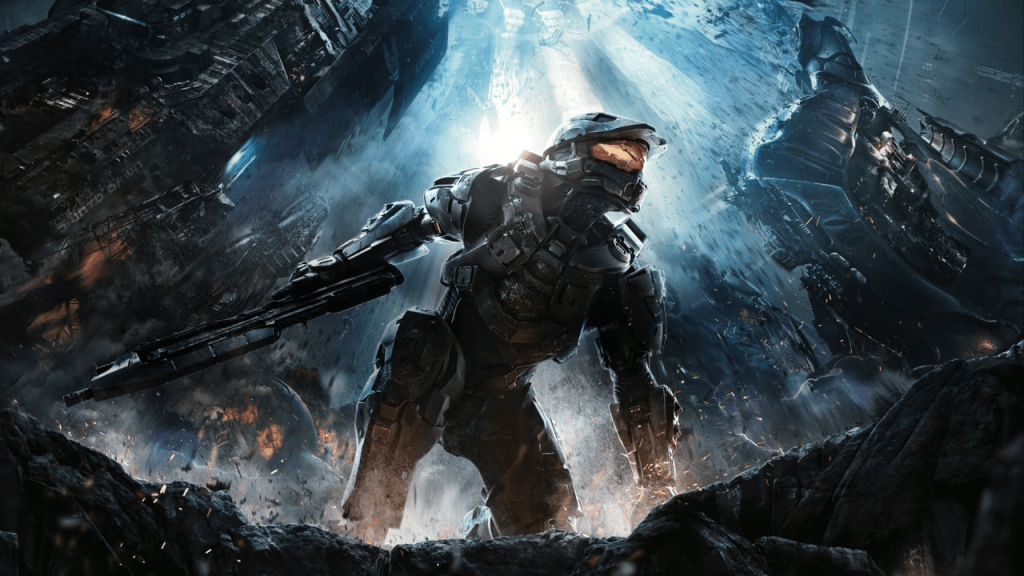
    Lego was a huge part of my childhood—I spent countless hours with my siblings turning piles of bricks into sprawling castles and crazy imaginary worlds. Some of my favorite memories are those epic make-believe battles, and the secret code we invented to wake each other up for early-morning building sessions. The ritual was simple: three knocks on the wall, repeated three times. If you heard it, you knew it was time for another round of Lego adventures. 

    As we got older, life crept in and the bricks eventually gathered dust in the loft. That all changed during the big lockdown, when my girlfriend surprised me with a Lego Star Wars set for Christmas. We quickly built it together, and I quickly realized that spark for Lego never really died—it just needed a nudge to ignite again. Honestly, if she knew she was about to unleash a full-blown obsession, maybe she’d have thought twice! 

    That single set sent me down a rabbit hole. I dug out every old box of Lego I’d stored away and spent months sorting through them—three massive tubs packed with pieces and long-forgotten minifigures. It became a mission to catalogue every set I could remember from my childhood collection. Turns out, many of these were mid to late 2000s releases, now considered collector’s items. Of course, building and displaying them became its own challenge, and what started as a single three-tier bookcase is now a growing network of shelves and displays throughout my home. 

    The best (and sometimes most dangerous) part of being an adult Lego fan? Having adult money. These days, I try to keep my collection focused on Star Wars, but it’s tough to resist all the newest releases. The recent Formula 1 Lego sets in particular have really put my willpower to the test—I’ve limited myself, so far, to picking up the small Speed Champions Red Bull RB20, but those big Technic sets keep calling my name… and honestly, it’s probably just a matter of time. 

    I’ve always been into reading so lately, I’ve started setting myself goals to keep things interesting. Last year I aimed for two books a month, and this year I’m seeing how close I can get to three. I mix things up a lot: sometimes it’s fantasy or sci-fi, sometimes it’s non-fiction or a biography, depending on what catches my eye. I’m trying to broaden my horizons and make sure I still read educational books alongside the more creative ones, anything I can do to learn more or become a better person. Right now, I’ve just started Joyful by Ingrid Fetell Lee, a book around understanding how you can find joy no matter where you are. I can be quite a serious person, and I want to make the most of every moment.   

    When I’m not reading, I’m probably binge-watching TV, getting way too invested in movies, or listening to music. I’m a sucker for stories that make you actually feel something, and I’ll admit, The Greatest Showman still gets me every single time. As for music, I usually find myself looping through the same artists—Logic, Joyner Lucas, Post Malone—until I’m ready for something new. Playlists are great, but sometimes you just need that one album on repeat. 

    Travel is another thing I’ve really grown to love. Over the past few years, I’ve been lucky enough to tick off some cool places like Rome, Barcelona, and Jamaica. City breaks have become a new favourite for me—there’s just so much to see and do, and every trip feels like a mini adventure. I used to be all about relaxing beach holidays, but after exploring cities, booking tours, and getting lost in new places, I’m hooked. My travel bucket list keeps growing, and I’m hoping to get a few more ticked off over the next year 

    So that’s me, for the most part! My goal with this blog is to share my experiences and thoughts and hopefully spark some conversations along the way. More to come soon—see you in the next post. Until next time, thanks for reading! 

  • My Current Homelab Setup—and Where I’m Headed Next 

    My Current Homelab Setup—and Where I’m Headed Next 

    Over the past couple of months, I decided it was time to give my old gaming PC a new purpose. These days, I rarely find time to game, so I’ve been looking for ways to get hands-on with something fresh—enter the world of self-hosting. With so much tech shifting to the cloud, I’m eager to see how much I can do on my own, just for the sheer challenge and the chance to learn something new. Of course, the added perk of keeping more control over my own data doesn’t hurt (and no, I’m not a tinfoil hat conspiracy theorist!). For me, it’s about getting curious, gaining new skills, and taking a bit more ownership in an increasingly invasive digital world. 

    The Setup So Far

    Right now, my homelab setup is simple but solid—a great foundation to build on. One of my first moves was ditching the default ISP router for a UniFi networking stack, mainly so I could finally create multiple VLANs and take advantage of built-in IDS/IPS security features. My network now consists of a UniFi Gateway Max, an 8-port Ultra 60W PoE switch, and two U6+ access points, which gives me robust wireless coverage and dedicated networks for personal devices, IoT gadgets, and guests. Everything feels so much more organized—and a lot more secure—since making the switch. 

    At the heart of my platform is a repurposed gaming PC, now doing duty as a Hyper-V server. It’s powered by an 8-core Ryzen 7 2700X, 32GB of RAM, a GTX 1080ti, and about 1.75TB of storage cobbled together from a 500GB NVMe SSD, a 1TB and a 500GB SATA SSD, plus a 1TB HDD. At the moment, it’s mainly running a single VM for Veeam backups, leaving me with plenty of room (and plans) for launching new projects. Alongside that, I’ve got a Home Assistant Green running my smart devices, and a Raspberry Pi 2 Model B that’s been collecting dust—just waiting for me to get more hands-on with Linux in the near future. 

    Where I’m Headed Next: Big Plans and New Experiments

    So, where does all this leave me? In short, I want to see just how much I can self-host—and how far I can push my Home Assistant setup. There’s something rewarding about having full control and actually building out the digital tools I use every day. 

    Here’s what’s on my list: 

    • Build and configure a NAS: I’m aiming to create a reliable, expandable storage solution for all my files, backups, and media.
    • Self-host my own cloud storage: Tools like NextCloud and Seafile are at the top of my list for keeping my documents, photos, and calendar in sync—without relying on the big clouds.  
    • Migrate my password manager: I’d like to move everything over to a self-hosted Bitwarden instance. 
    • Set up Plex or Jellyfin: Centralized media storage: each has its pros and cons and I’m not set on what one I’ll go with, but its high up on the list of priorties 
    • Create a VPN: Secure remote access (and the ability to safely share content with friends and family) is a must-have. 
    • Host my own website & try running an AI model: I want to try hosting my own site—and maybe experiment with my own locally hosted AI model 
    • Run my own email server 

    Home Automation

    My basic Home Assistant Dashboard – Out of the box with the Tuya integration configured for managing lights and aircon

    My interest in home automation has really taken off since discovering Home Assistant. Right now, I’ve got a growing pile of smart devices scattered around my house, each with its own app and login. One of the best things about Home Assistant is finally being able to control everything from a single dashboard—no more toggling between a dozen apps just to turn off the lights and lock the door. The platform’s flexibility is wild; I can even pull data from my car, and the potential for custom dashboards and automations is almost endless. 

    I’ve only just dipped a toe into this world, and so far I’ve got the integrations setup for my smart bulbs and air con unit. I’ve repurposed an old Galaxy Tab A that I’m using as a dedicated dashboard to manage these for the time being as a bit of a proof of concept. Once I’ve got a stable platform with more integrations setup, and had made some progress on a custom dashboard then I’ll look to upgrade this to something a bit more sleek. I’d like to get one for each floor too and have them wall mounted with either magnetic wireless chargers, or wired in if I can’t get that to work.

    The Ultimate Smart Dashboard

    One of my big goals is to design and build a dashboard that puts everything I care about front and center—true “mission control” for my home. Here’s what I want it to show and do:

    • Live electric, gas, and water usage, with clear graphs 
    • Family calendar and running to-do list 
    • Weather forecasts and advance commute times (based on our phones’ locations) 
    • Controls for lighting, music, and smart speakers everywhere in the house 
    • Real-time feeds from my CCTV cameras 

    Building the Perfect Setup

    My future plans include building a tidy rack to house all my networking gear, the NAS, and my Home Assistant Green—with room for a small display screen to monitor performance metrics in real time. On top of that, I’m planning a big “smart migration” for my house: upgrading to a smart meter, switching over to smart heating, and replacing all the lighting with gear that seamlessly integrates with Home Assistant. And, for a bit of fun, I’m also interested in building a magic mirror—something that would display the weather, calendar, and news while I brush my teeth. 

    As I work through these upgrades and projects, I’ll be documenting each step, sharing what I learn, and inviting you along for the ride. There’s plenty to build, break, and (hopefully) improve—so if you’re into homelabs, tech, or just enjoy a good experiment, stay tuned!