
Tag: Reading

  • Books I Read in 2025 – A Year of Sci-Fi, Self-Growth, Greek Myths & Rediscovering Reading

    Books I Read in 2025 – A Year of Sci-Fi, Self-Growth, Greek Myths & Rediscovering Reading

    Over the last few years, I’ve made a conscious effort to read more. As a kid, reading was my favourite thing in the world — I’d spend hours tucked away in my room, completely absorbed in story after story. But as life got busier, reading slowly slipped out of my routine. Between the ages of 16 and 21, I barely read anything unless I was on holiday, sat by the pool thinking, “Wow, I forgot how much I love this.”

    As I’ve got older (and more aware of how valuable time is), I’ve tried to build reading back into my daily routine. Since 2022, I’ve set myself yearly reading challenges, slowly increasing the number. This year my target was 36 books — ambitious, and I’m not quite on track… but looking back at everything I have read has been so fun.

    I’ve made a conscious effort to mix up genres too. Normally I’m all-in on sci-fi and fantasy, but in 2025 I added non-fiction, philosophy, self-help, and mythology into the mix. It’s been a surprisingly reflective year of reading, and in many ways the books mirror the kind of year I’ve had.

    So, without further ado…

    All the Books I Read in 2025 (With Authors)

    Philosophy

    • Tao Te ChingLao Tzu

    Sci-Fi / Halo Universe

    • Halo: The Fall of ReachEric Nylund
    • Halo: The FloodWilliam C. Dietz
    • Halo: First StrikeEric Nylund
    • Halo: Ghosts of OnyxEric Nylund
    • Halo: Contact HarvestJoseph Staten
    • Halo: Silent StormTroy Denning
    • Halo: OblivionTroy Denning
    • Halo: Broken CircleJohn Shirley
    • Halo: CryptumGreg Bear
    • Halo: PrimordiumGreg Bear
    • Halo: SilentiumGreg Bear
    • Halo: Mortal DictataKaren Traviss

    Cherub Series (Re-reads)

    • CHERUB: The RecruitRobert Muchamore
    • CHERUB: Class ARobert Muchamore
    • CHERUB: Maximum SecurityRobert Muchamore
    • CHERUB: Dark SunRobert Muchamore

    Non-Fiction, Self-Help & Lifestyle

    • How to Build a CarAdrian Newey
    • Joyful: The Surprising Power of Ordinary Things to Create Extraordinary HappinessIngrid Fetell Lee
    • Blood, Sweat, and PixelsJason Schreier
    • How to Break Up With Your PhoneCatherine Price
    • The Neuroscience of Dopamine DetoxDr. Anna Lembke / similar (note: confirm exact author)
    • The 5AM ClubRobin Sharma

    Mythology

    • MythosStephen Fry

    What I Thought of Them – Highlights, Reflections & Surprises

    Starting the Year With Philosophy

    I began the year with Tao Te Ching by Lao Tzu — a book that’s mentioned constantly in discussions about wisdom, balance, and living a more grounded life. I’d seen it recommended so many times that I felt almost obligated to give it a try, especially as someone who’s been actively trying to improve their mindset and outlook on life.

    Tao Te Ching is a short book, but it demands slow reading. It’s poetic, full of metaphor, and often intentionally vague so that readers can find their own interpretations. I genuinely tried to take my time with it, but I found it challenging to connect with. The ideas about harmony, non-action, and the flow of life were interesting, but they didn’t land for me in the way I hoped.

    Still, reading it wasn’t a waste. Even though philosophy clearly isn’t my go-to genre, I’m glad I stepped outside my comfort zone to try something different. Sometimes the value in a book is simply realising more about what does and doesn’t resonate with you.

    My Halo Reading Marathon (And Why I Loved It)

    After finishing the Halo games with my partner over winter, I wanted more lore, more backstory, and more of the universe I’ve loved for years — so diving into the Halo novels felt like the perfect next step.

    If you’ve read my post “My Ultimate Top 10 Favourite Games of All Time” (https://lifeofj.com/2025/07/28/my-ultimate-top-10-favorite-games-of-all-time/), you’ll know the Halo series has a permanent place on that list. It’s a franchise that’s shaped so many of my gaming memories, so experiencing deeper stories and perspectives through the books has been incredible.

    And honestly? They’ve been some of the most enjoyable reads of the year.

    • Eric Nylund’s entries were the standouts, especially The Fall of Reach, which remains one of my favourites.
    • The Forerunner Saga by Greg Bear started slowly for me, but by the final book I was completely drawn in — it massively expanded my understanding of the Forerunners and the origins of the Halo universe.

    Revisiting My Childhood: The CHERUB Series
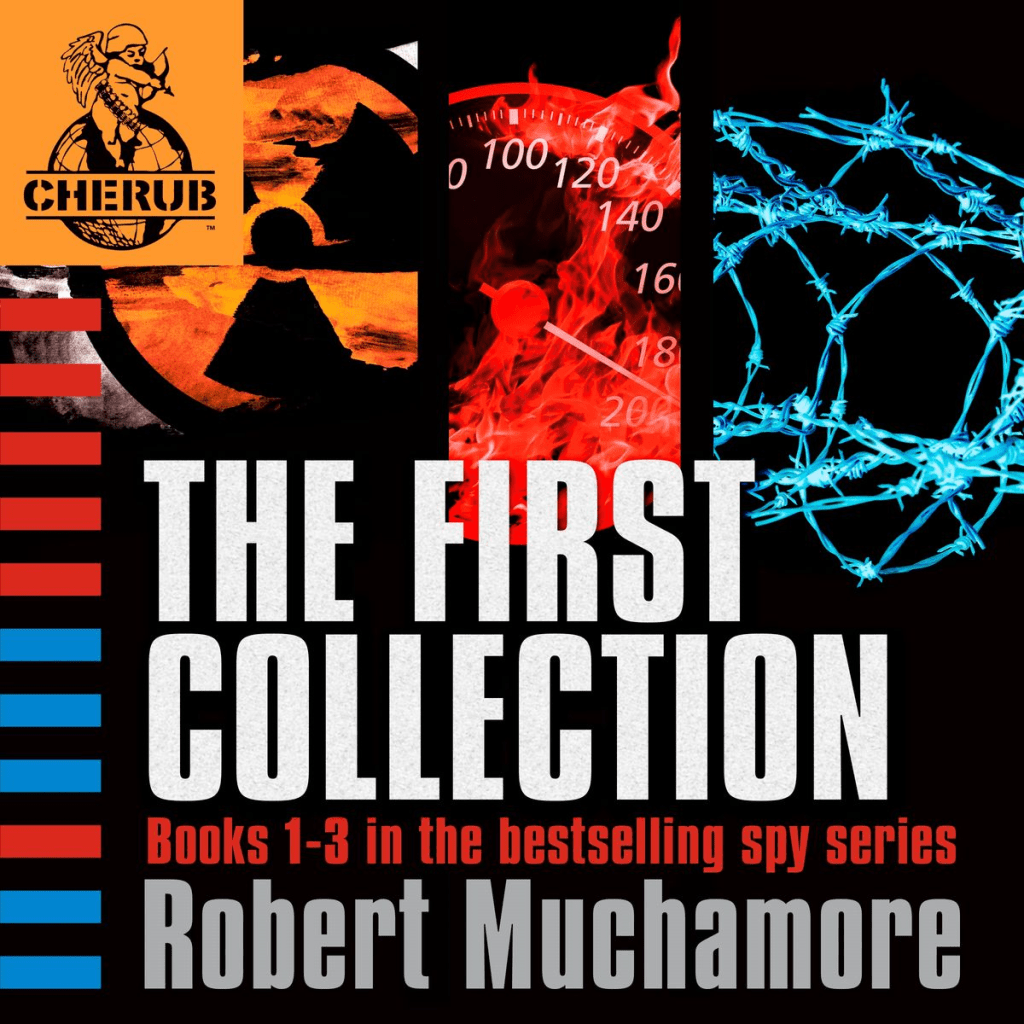
    During spring, I took a break from Halo and returned to a huge part of my reading childhood: the CHERUB series by Robert Muchamore.

    These books were the series that turned me into a reader when I was younger. I remember sitting in my bedroom for hours inhaling them — completely obsessed with the idea of kids being trained as undercover agents, going on missions, solving crimes, and doing things adults underestimated them for.

    Rereading them as an adult was incredibly nostalgic. They were just as fun, fast-paced, and easy to fall into as I remembered. It genuinely felt like reconnecting with an old friend.

    Back then, I also read Muchamore’s Henderson’s Boys series — the prequel set during World War II. I loved the shift in tone and era, taking CHERUB’s world and anchoring it in real wartime events. I never actually finished the whole Henderson’s Boys series as a teenager, so it’s something I’d really like to revisit at some point. There’s something fascinating about seeing the origins of CHERUB and how the organisation was imagined during the war.

    Coming back to these books in 2025 reminded me why they captured me in the first place.

    The Book That Re-Ignited My Reading Habit: How To Build A Car

    When I hit a reading slump mid-year, How To Build A Car by Adrian Newey completely pulled me out of it.

    As I’ve said before (including in my early blog post about my love for F1), motorsport has been a huge part of my life for over a decade. Adrian Newey is someone I’ve admired for years — he’s arguably the greatest Formula 1 designer of all time — so finally getting to read his autobiography felt special.

    What surprised me most was just how detailed and technical the book is.

    • The deep dives into aerodynamics were fascinating.
    • The hand-drawn diagrams showing airflow, downforce, components, and chassis geometry were incredible to look at.
    • I learned so much about how tiny design decisions can completely change a car’s performance.
    • I loved discovering how his brain works — the intuition, creativity, and problem-solving behind some of the most iconic cars ever built.

    But the part that hit me hardest was his candid retelling of Ayrton Senna’s accident.
    Newey explains the technical failure that led to the crash, how the team analysed the data afterwards, and the enormous guilt he carried — and still carries — decades later. Reading that section was genuinely emotional. It gave me a level of insight into the tragedy that I’d never had before, and a new respect for the human side of F1 engineering.

    This book wasn’t just interesting — it made me fall in love with reading all over again.

    Finding Joy Again — Literally
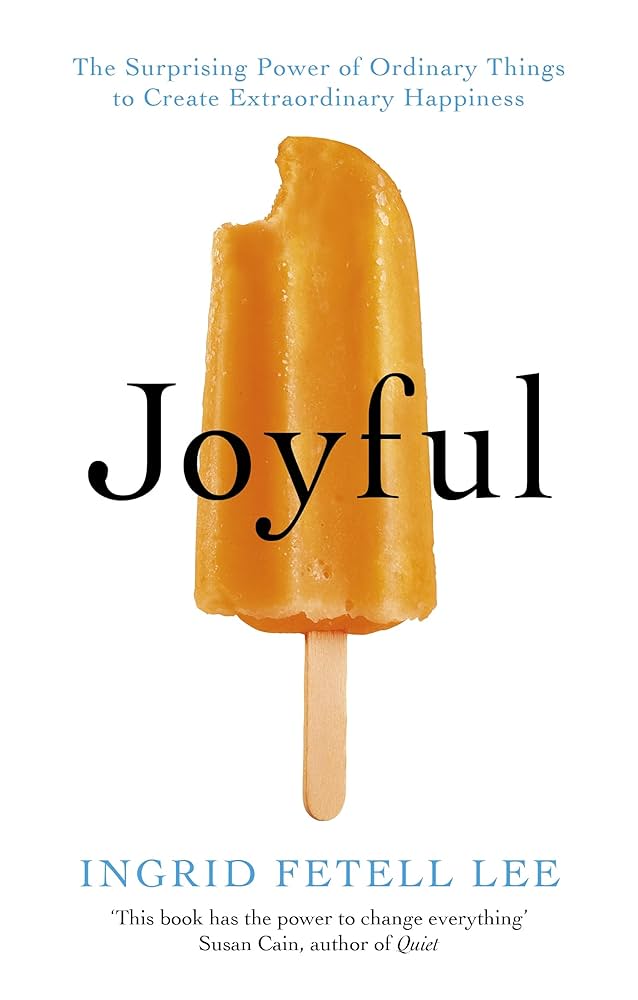
    Book cover of Joyful by Ingrid Fetell Lee featuring bright orange balloons on a white background.

    After that, I picked up Joyful by Ingrid Fetell Lee (full review here: https://lifeofj.com/2025/10/02/joyful-by-ingrid-fetell-lee-a-personal-reflection-and-review/).

    It genuinely changed how I view small pleasures, colour, design, and the spaces we live in. A surprising highlight.

    Holiday Reading in Greece

    As usual, I took a stack of books with me on holiday — and while I didn’t get through as many as I normally do, I still enjoyed a couple of great reads.

    If you want to see the photos, food, ancient ruins, and the biggest mojito of my life, you can read the full blog post here: https://lifeofj.com/2025/11/28/my-trip-to-greece-rhodes-athens-sun-ruins-food-and-the-biggest-mojito-of-my-life/

    Blood, Sweat, and Pixels — Jason Schreier
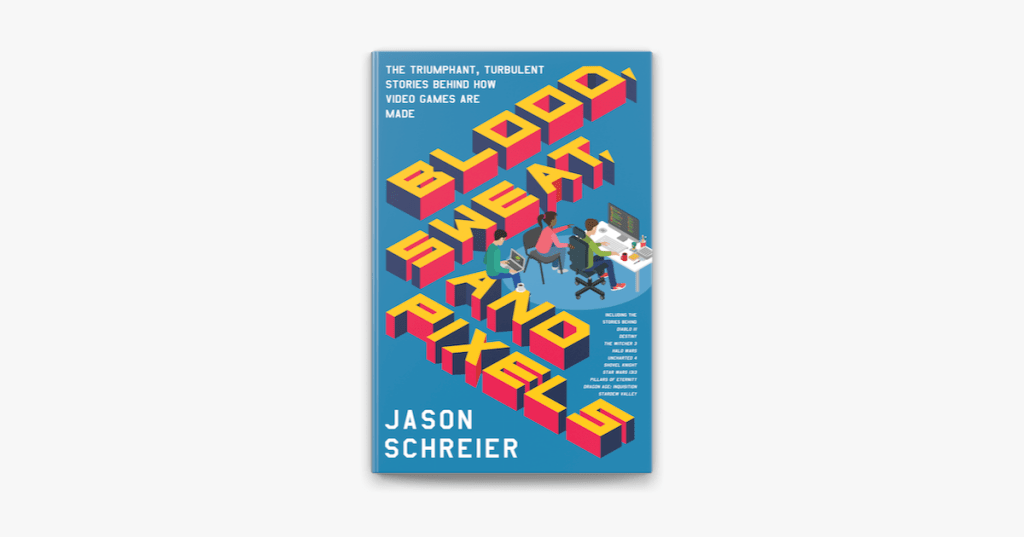
    This book had been on my wishlist for a while, and it absolutely delivered. It’s a brilliant peek behind the curtain of game development — everything from impossible deadlines to studio meltdowns, creative struggles, and miracle turnarounds.
    The chapters on Halo Wars and The Witcher were especially fascinating.

    I also discovered that Schreier has released a follow-up, which immediately went on my wishlist.

    Mythos — Stephen Fry
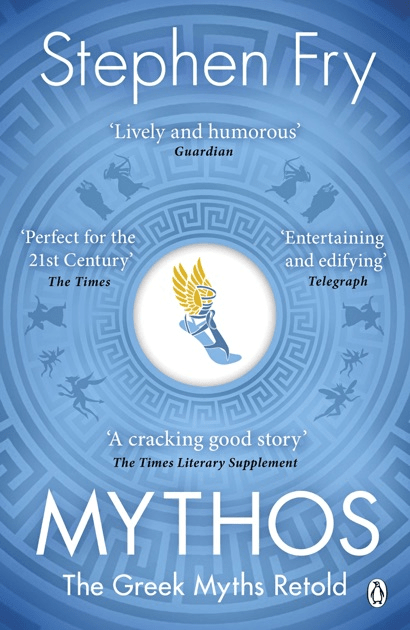
    Since I was literally in Greece, reading about Greek mythology felt like the perfect choice.

    Growing up on Percy Jackson, I’ve always loved the ancient Greek world, and Stephen Fry absolutely nails the retelling. It’s funny, clever, modern without losing authenticity, and an easy recommendation for anyone who loves mythology.

    A Shift in Mindset: Phones, Dopamine & Early Mornings

    Across the second half of the year, I noticed a big shift in how I think about time, distraction, and routine. I’ve become more aware of how much my phone pulls me out of the real world, and how easy it is to spend hours scrolling without really doing anything.

    These three books arrived at the perfect time.

    How to Break Up with Your Phone — Catherine Price
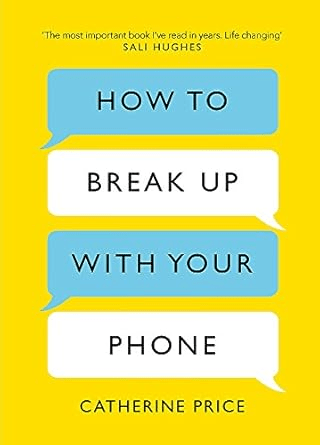
    This book is a mix of neuroscience, psychology, and practical strategies to form a healthier relationship with your phone.
    Some insights that stuck with me:

    • how apps intentionally exploit dopamine cycles
    • how notifications fragment attention
    • the importance of building “phone-free” pockets in the day
    • the value of mindful, intentional technology use

    I didn’t implement every strategy perfectly, but even the ones I tried genuinely helped.

    The Neuroscience of Dopamine Detox

    This book goes deeper into the mechanisms behind dopamine, craving, and reward. It’s not really about “detoxing” — it’s about understanding the neurological patterns that drive compulsive behaviour.
    It helped me understand why things like social media feel so addictive, and gave me a better awareness of when I’m using my phone intentionally vs. reflexively.

    The 5AM Club — Robin Sharma

    The 5AM Club by Robin Sharma was a book I’d had sitting in my Kindle library for ages, and I’m genuinely annoyed I didn’t read it sooner. Even though it’s written in a slightly unusual fictional style, the core ideas really resonated with me. Sharma focuses on how powerful the early hours of the morning can be for clarity, growth, and focus — before the rest of the world wakes up and distractions take over.

    The book’s 20/20/20 formula (20 minutes of movement, 20 minutes of reflection, 20 minutes of learning) felt surprisingly practical. On the mornings when I followed it, I started the day feeling more energised, calmer, and more intentional. It shifted the whole tone of my mornings, making them feel purposeful instead of rushed.

    I’m not perfect at waking up at 5AM every day, but even applying the principles a few times a week has made a noticeable difference. It’s a book I’ll probably revisit every year.

    Winter Reading: Returning to the Halo Universe

    As winter arrived and the nights got colder, my partner and I started talking about finishing Halo ODST and Halo Infinite together before Christmas. That immediately put me back in the mood for more Halo lore, so I picked up the next books in the lineup.

    Halo: Oblivion — Troy Denning

    This one dives deeper into the tension, mystery, and politics surrounding the early years of the Spartan-II program. I loved getting more insight into Chief’s younger years and the dynamics of Blue Team.

    Halo: Broken Circle — John Shirley

    Broken Circle was especially interesting because it takes a break from the usual UNSC perspective and instead focuses heavily on the Covenant’s own internal struggles. Seeing the Sangheili and San’Shyuum politics from the inside added a layer of depth to the universe that the games only ever hint at.

    Both books reminded me why the Halo universe remains one of my favourite sci-fi settings ever. After so many years (and books), there’s still always something new to learn.

    My Favourite Books of 2025

    If I had to pick a top four, they’d be:

    How to Build a Car – Adrian Newey
    Joyful – Ingrid Fetell Lee
    The 5AM Club – Robin Sharma
    Halo: The Fall of Reach – Eric Nylund

    My 2026 Reading Goal

    Next year is going to be extremely busy with work and studying, so I’m setting a more realistic target:

    12 books – one per month.

    Anything more is a bonus, and I’m hoping holidays will give me a chance to catch up.

    Books I’m especially excited to read in 2026:

    • The Art of Creative Thinking – Rod Judkins
    • How to Talk to Anyone About Anything – James W. Williams
    • Brief Answers to the Big Questions – Stephen Hawking
    • The Martian – Andy Weir

    What About You?

    Have you read any of the books I mentioned?
    What did you think of them?
    What were your favourite books of 2025 — and what are you planning to read next year?

    Drop your recommendations in the comments — I’d love to hear them.

  • Life Lessons I Want to Teach My Kids (That I Wish I’d Learned Sooner)

    Life Lessons I Want to Teach My Kids (That I Wish I’d Learned Sooner)

    We all hit moments when we think, “Blimey, I wish I’d learned this sooner.” That’s part of growing up—collecting lessons as we go. But some lessons feel so foundational that I’m writing them down now to make sure I teach my kids (if and when I have them). Think of this as a living list of life lessons I wish I’d picked up earlier—about money, careers, learning, habits, manners, health, family, reading, and simply becoming more resilient.

    None of this is rocket science, and some of it won’t surprise you. But timing matters. The right idea, heard early enough, can change the way you move through the world. I’m sharing what’s actually helped me—simple, honest, UK‑leaning advice learned the long way round—in case it helps another parent, future parent, or anyone passing on practical wisdom.

    1. Finances: Saving – LISA, pensions, emergency funds
    2. Career: pick a direction, build proof, stay adaptable
    3. Studying: make learning small, daily, and social
    4. Habits: discipline, systems, and 1% gains
    5. Manners: small courtesies, big impact
    6. Exercise: move your body, protect your mind
    7. Family & socialising: show up in real life
    8. Reading: fiction, non‑fiction, and winding down well
    9. DIY skills: confidence through doing
    10. Final thoughts: a living list, not a rulebook

    Finances: Saving – LISA, pensions, emergency funds

    Savings jars with pound coins on a wooden desk beside a budget notebook, calculator and calendar — UK personal finance planning.
    Savings jars for an emergency fund, LISA and pension — keep money simple and planned.

    I learned most of my money lessons the hard way. I wish someone had sat me down earlier and explained the basics: why we save, how to budget, and what smart saving does for future you. Teaching kids about money isn’t “don’t spend too much”—it’s “use money to buy freedom, reduce stress, and open choices.”

    Start with goals (the why) It’s easier to save when you’re aiming at something. Set short, medium and long‑term targets: a console or trip (months), a car or moving out (1–5 years), and a first‑home deposit or financial cushion (5+ years). Once the goal is clear, the plan writes itself.

    Where to put savings There are loads of accounts, but a few do most of the work: a high‑interest easy‑access savings account (great for emergencies and near‑term goals), fixed‑rate bonds (better rates if you can lock money for 1–3 years), and for first‑timers a Lifetime ISA (LISA).

    LISA explained (UK) You can contribute up to £4,000 a year and the government adds 25% (up to £1,000), within your overall ISA allowance. Use it for a first home (up to £450k) after 12 months or keep it for retirement. Example: £4,000 a year for 10 years = £50,000 before interest (£40k you + £10k bonus). Not everyone can max it, but knowing what’s possible helps you plan. Rules change—always check current UK guidance.

    Pensions and compounding (your future’s best friend) Compound interest is interest earning on interest. £1,000 at 5% becomes £1,050 in year one; in year two you earn 5% on £1,050, and so on. Starting earlier gives your money longer to grow, so the same monthly amount from 18 vs 25 can mean a much larger pot by retirement. In the UK, workplace pensions help: auto‑enrolment, tax relief (salary sacrifice can also reduce National Insurance), and often an employer match—free money that compounds. As a rule of thumb, aim for 12–15% combined (you + employer) across your career if you can.

    Emergency fund (rainy‑day buffer) Keep 1–3 months of essential outgoings in a high‑interest easy‑access account, then build to 3–6 months. The interest is a bonus; the real win is avoiding high‑cost debt when life happens.

    Spending within your means (in a social media world) Ignore other people’s highlight reels. Automate savings on payday, pay credit cards in full, treat BNPL as debt, and bump your saving rate when your income rises. The essentials for me: know why you’re saving, pick the right accounts (LISA, pension, high‑interest savings), and let time and compound growth do the heavy lifting.

    Simple starter plan

    • Pick one short, one medium and one long‑term goal.
    • Open a high‑interest easy‑access account (emergency + near‑term).
    • If eligible, open a LISA and set a monthly amount you can stick to.
    • Join the workplace pension and contribute at least enough to get the full employer match; increase a notch with each pay rise.
    • Review every 3–6 months. Automate where possible.

    Quick FAQ (SEO‑friendly)

    • Is a LISA worth it in the UK? Often yes for first‑time buyers because of the 25% bonus, but check fees, eligibility, and current rules.
    • How much should I keep in an emergency fund? Start with 1–3 months of essentials; build towards 3–6 months as you can.
    • What’s the minimum I should put in a pension? At least enough to get your employer’s full match; aim for 12–15% combined over time if affordable.

    Note: This is general info, not financial advice. UK rules and rates change—double‑check current guidance before acting.

    Career: pick a direction, build proof, stay adaptable

    Laptop, CV pages, notebook and calendar on a tidy wooden desk — UK career‑planning workspace.
    Plan your next step: choose a direction, build proof and prep for interviews

    Choose a direction, then build towards it. This one’s easy to say and harder to do, but picking a direction sooner really helps—you get more time to progress and it keeps you focused. You don’t need a perfect plan or a fixed job title; start with a rough idea of where you want to end up and break it into steps. Run small experiments—taster courses, shadow days, volunteering, side projects—to see what sticks. Direction → skills → proof → people.

    Turn that into a simple plan: a three‑year target role you’d like to be capable of, a few skills or certifications to tackle this year, and monthly actions that actually move the needle (ship one project, learn one skill block, speak to one person doing the job you want). Get real‑world reps early—part‑time work, internships, work experience, freelancing, or UK routes like apprenticeships, degree apprenticeships and NVQs. University is great for some paths, but it’s not the only one.

    Make yourself easy to find with a clean, results‑focused CV, a useful LinkedIn headline and a small portfolio that proves what you can do—outcomes beat buzzwords every time. Learn to interview with clear stories (what you did and the result), ask for feedback, find a mentor if you can, and don’t be shy about negotiating once you’ve checked salary bands. Most importantly, don’t treat your first choice like a life sentence—if the path isn’t what you expected, pivot and update the plan. Small, consistent steps compound into opportunities.

    Studying: make learning small, daily, and social

    Open notebook, stack of flashcards, wireless headphones and phone with audio waveform beside a 20‑minute timer and mug of tea on a tidy desk — studying setup
    Small, daily learning—20‑minute sessions, notes and active recall.

    When I say “studying,” I mean always learning. Curiosity keeps your mind sharp, your life interesting, and your confidence growing. It doesn’t have to look like school—follow what you enjoy and add small blocks of knowledge over time. You don’t need to master everything; learning a little about a lot makes you more rounded, and depth can come later.

    The easiest way to build a learning habit is to keep it tiny and daily. Ten to twenty minutes is enough, especially if you use dead time well—a podcast on a walk, an audiobook while cooking, a short video on the commute. Keep a simple “curiosity list” in your notes app and pick one thing a day to explore. I like the 1–1–1 idea: learn one thing, write one sentence about it, share it with one person. Tiny wins stack fast.

    Mix “useful” with “fun” so you stay engaged. Practical life skills (a few great meals, basic first aid, bike or car maintenance, simple home repairs) pay off forever. Money basics (budgeting, compound interest, pensions, investing) reduce future stress. Digital skills (spreadsheets, coding basics via freeCodeCamp, design tools like Canva or Figma) are handy in almost any job. Balance that with creativity (photography, drawing, music production, writing), a few phrases of a new language each week, and wellbeing—sleep, habits, mindfulness, strength training. There are loads of free UK‑friendly resources: FutureLearn, OpenLearn, Coursera and edX for courses, and Libby for free library ebooks and audiobooks.

    Learn smarter, not harder. Instead of re‑reading, test yourself from memory and summarise what you learned—active recall beats passive review. Revisit key ideas over days and weeks (spaced repetition apps like Anki help). Teach someone else or post a short explanation; teaching exposes gaps and cements understanding. Build small projects so learning turns into something real—a budget template, a short video, a simple app, a photo series. Focus on just‑in‑time learning tied to a project; it’s easier to stay motivated when you need the skill right now.

    Make it social because learning compounds with people. Join a club or community—a book or podcast club, coding group, maker space, sports team, or local class—and ask good questions. Volunteer to learn new skills while meeting people you wouldn’t otherwise meet. For kids and teens in the UK, great options include libraries, Duke of Edinburgh, Scouts/Guides, school clubs, hackathons, youth theatre and local workshops. Aim for T‑shaped growth: broad across many areas so you’re adaptable, with one or two deeper spikes that make you especially valuable.

    Don’t over‑engineer the tools. Notion or Obsidian for light notes, Pocket or Instapaper to save articles, Libby for audiobooks on the go. Start small, keep it daily, and let the habit do the heavy lifting. Continuous learning builds confidence, creates opportunities, strengthens connections, and makes you more resilient when life changes.

    Habits: discipline, systems, and 1% gains

    Open notebook, stack of flashcards, wireless headphones and phone with audio waveform beside a 20‑minute timer and mug of tea on a tidy desk — studying setup.
    Small, daily learning—20‑minute sessions, notes and active recall.

    This is something we could all do better at, and teaching it early pays dividends for decades. One of my favourite books on the topic is James Clear’s Atomic Habits—the idea that small actions compound really stuck with me. You don’t need superhuman willpower; discipline is mostly about systems and environment. Aim to be a little bit better most days; those tiny gains add up. (If you did 1% better every single day for a year, the maths works out to roughly 37x—numbers aside, the point is that small wins compound.)

    The basics that work for me are simple. Stack a new habit onto an existing one: after X, I do Y. Make good habits obvious and easy (gym kit by the door, book on your pillow) and bad habits a touch harder (phone in another room during study, junk apps off the home screen). Use the two‑minute rule to make starting friction‑free: read one page, do one push‑up, open the notes doc. Track your streaks lightly (a calendar tick or notes app), use “never miss twice” when you slip, and do a quick weekly reset to line up the next seven days.

    Keep examples boringly practical. Do the housework or homework before gaming. Pack your bag the night before. Put an automatic transfer to savings on payday. Set app limits if you need them. For kids and teens, link chores to pocket money, read a few pages after dinner, or spend 10 minutes tidying before TV. For adults, try a 10‑minute walk after logging off, stretch while the kettle boils, or run one load of laundry after your morning coffee. Remove friction for the right things (healthy snacks visible, guitar on a stand) and add friction for the wrong ones (website blockers in the evening, sweets out of sight). Over time, tiny actions done consistently build confidence and momentum—discipline is just the habit of making those small, smart choices on repeat.

    Manners: small courtesies, big impact

    Person holding a shop door open for someone entering — simple act of good manners on a UK high street.
    Small courtesies matter — please, thank you, hold the door.

    It might sound old‑fashioned, but I genuinely think manners have slipped over the last decade. There’s a noticeable lack of basic courtesy and respect, and it shows up in little moments—the “please,” “thank you,” “excuse me,” or a simple smile. Those tiny gestures matter. People treat you with more respect when you’re polite, and that goes a long way—especially with first impressions. Manners aren’t about being posh; they’re about showing you see the person in front of you.

    The basics are simple and powerful: say please and thank you, hold doors, make eye contact, and be on time. In the UK, respect a queue and let people off the train before you get on. Lower your voice on public transport, offer your seat if someone needs it, and put your phone away when someone’s speaking. Learn and use people’s names. After someone helps you, send a quick thank‑you message or note—it’s tiny effort for a big impact. And when you mess up, apologise properly: “I’m sorry I [did X]. I can see that [impact]. Next time I’ll [do Y].” No excuses, no deflection.

    Online manners count too. Start messages with a greeting, don’t fire off one‑word replies, and avoid ALL CAPS or sarcasm that won’t translate. Be generous with clarity—use paragraphs, not walls of text. Don’t ghost people; if you can’t do something, reply with a polite “no” and a quick reason. Before you hit send, read it like a stranger would.

    Teach kids by modelling it in everyday life: eye contact, a friendly hello to shop staff, a proper thank‑you, holding the door, offering help when someone’s juggling bags. For teens, practise email intros, respectful disagreement, and follow‑ups after work experience or interviews. These little habits cost nothing but compound into trust, opportunities, and kinder interactions.

    Exercise: move your body, protect your mind

    People jogging and brisk‑walking on a tree‑lined path at sunrise in a UK park — everyday exercise for physical and mental health.
    Aim for 150 minutes a week plus two short strength sessions — consistency beats intensity.

    You only get one body, so look after it. That doesn’t mean living in the gym—it means building simple, sustainable habits that keep you healthy. Start early and make it part of your routine; moving your body regularly lifts your mood, reduces stress, boosts energy and focus, and does wonders for mental health. And you don’t need a gym: pick active things you actually enjoy—football, dance, swimming, cycling, hiking, climbing, a brisk walk with a podcast, or Parkrun with a friend. Walking absolutely counts.

    As a rough guide, aim for around 150 minutes of moderate activity a week (that’s 20–30 minutes most days) plus a couple of short strength sessions—bodyweight is fine. Consistency beats intensity. Keep it social if that helps—join a class, a five‑a‑side team, or a walking group—getting out of the house and being around people makes it easier to stick with. UK‑friendly starters: NHS Couch to 5K, Parkrun on Saturday mornings, beginner yoga/Pilates at your local leisure centre, or a home routine with a resistance band.

    Make it easy to start. Lay out your trainers the night before, put sessions in your calendar, go with a buddy, and use a “just 10 minutes” rule on low‑motivation days—once you’re moving, you’ll often do more. Anchor it with simple, healthy basics: decent sleep, plenty of water, mostly whole foods, a bit of stretching, and some daylight each day. You don’t have to be perfect; you just have to keep showing up. Your future self will thank you.

    Family & socialising: show up in real life

    Family and friends sharing a phone‑free dinner at a kitchen table — real‑life connection and conversation.
    Show up in real life — shared meals, conversation and small rituals.

    Socialising might come naturally to some, but in an age of constant scrolling and DMs, we have to make a deliberate effort to show up in real life. I’m always happier after a coffee with a friend than an hour of doomscrolling. Face‑to‑face time teaches things you can’t learn on a screen—reading body language, timing a joke, handling awkward pauses, resolving disagreements, building empathy. It boosts confidence too. Being able to hold a conversation, listen well, and maintain steady eye contact are real‑world skills that shape first impressions and long‑term relationships. Family is your first team: the people who celebrate you, challenge you, and have your back.

    Make it part of the routine with small, repeatable rituals. Shared meals without phones. A Sunday walk. Movie night. Phoning grandparents. Showing up to each other’s events. Say yes to things that put you around people: join a club or local class, volunteer, go to community events, invite friends round for a simple dinner. Keep tech in its place with gentle boundaries like no phones at the table or a nightly downtime window. Small acts keep connections alive—send a quick “thinking of you,” drop off soup, remember birthdays.

    Give kids and teens social reps. Let them order their own food, pay at the till, answer the door politely, and chat with adults as well as peers. Practise a friendly hello, eye contact, and a few conversation starters (“What’s been the best part of your day?” is a good one). If conflict happens, model how to apologise properly and repair the relationship. Encourage them to host—game nights, study sessions—because creating spaces for people builds confidence and community.

    If you’re rebuilding your social muscle as an adult, start low‑pressure. Walk‑and‑talks, a class where you’re doing something with your hands, or a monthly book club are easier than loud nights out. UK‑friendly places to meet people include Parkrun on Saturday mornings, volunteering sites like Do‑it or local charity shops, adult‑ed classes at your council college, community sports leagues, choirs, climbing gyms, faith groups, or Meetup groups for hobbies. For teens, great options include libraries, Duke of Edinburgh, Scouts/Guides, youth theatre, coding clubs and local workshops. Find “third places” (not home, not work) like libraries, cafés and parks where it’s easy to bump into the same faces.

    Bottom line: relationships are a life support system. In‑person connection teaches the human stuff—kindness, courage, communication—that opens doors and gets you through the tough bits. Treat people like a priority and protect your relationships; the rest gets easier.

    Reading: fiction, non‑fiction, and winding down well

    Open book, e‑reader and phone with audiobook beside a mug of tea on a bedside table — bedtime reading routine in a UK home
    Wind down for 10–20 minutes — fiction for empathy, non‑fiction for ideas. Audiobooks count.

    Reading feels like a skill that’s at risk of being lost, and that’s a shame because it’s a genuine superpower. Fiction and non‑fiction both matter—and a mix of the two is best. Fiction builds empathy, imagination, vocabulary and focus; it lets you live a hundred lives and understand people unlike yourself. Non‑fiction gives you tools you can use—ideas from history, science, money and psychology. Together they sharpen your mind, calm your nervous system, and make you a better conversationalist.

    One of the best times to read is in bed as you wind down. Swap TV or doomscrolling for 10–20 minutes with a book; it’s gentler on your brain than a bright screen and helps you switch off. The easiest way to read more is to keep something handy—a paperback, Kindle or audiobook—and grab small pockets of time on the commute, over a cup of tea, or while cooking. Audiobooks absolutely count.

    To keep things interesting, I try to read one non‑fiction book for every three fiction books, and I mix the themes so I stay engaged—maybe a mystery, then some sci‑fi, then a memoir, then a psychology or history pick. Visit the library, try a book swap with friends, or join a low‑pressure book club. For kids, let them choose (graphic novels and series are great gateways) and read together sometimes, even if it’s just a chapter.

    Give yourself permission to quit books that aren’t clicking, note a favourite quote now and then, and chat about what you’re reading—half the fun is sharing it. The goal isn’t to finish the most books; it’s to keep curiosity alive and make reading a simple, daily habit.

    DIY skills: confidence through doing

    Hands installing a floating shelf with a drill and spirit level; wall plugs and screws on a tray — DIY skills in a UK home
    Start small — measure, drill, use the right wall plugs, and work safely.

    This is something I wish I was better at. I wasn’t involved enough in DIY growing up, and it’s harder to learn as an adult—which is exactly why I want to make it normal for my kids. Knowing how to fix small things isn’t about being “naturally handy”; it’s confidence, problem‑solving, and not waiting weeks for a tiny repair. Plus, there’s nothing like the feeling of “I fixed that.”

    Start small and involve kids early: torch‑holding, reading instructions, measuring and marking, handing over screws. Little jobs build competence—changing a lightbulb, tightening a hinge, building flat‑pack, filling a small hole, touching up paint, resealing a bath, hanging a picture with the right wall plugs. As confidence grows, try drilling, putting up a shelf, swapping a door handle, changing a tap washer, bleeding a radiator, or basic bike maintenance. If you’re renting, check your agreement; stick to reversible fixes (Command hooks, filling tiny holes properly) and always restore to the original condition.

    A simple starter toolkit (UK): tape measure, Phillips and flat screwdrivers, hammer, spirit level, utility knife, pliers, adjustable spanner, Allen key set, stud finder, assorted screws and wall plugs (rawl plugs), sandpaper, filler and caulk with a gun, masking tape, and a decent drill/driver with wood/masonry bits. Keep a small “fix‑it” list on the fridge and a house notebook with paint codes, measurements, filter sizes, and photos as you take things apart.

    Safety first, always. Turn off power at the breaker, shut off the water at the stopcock, wear eye protection, and read the manual before you start. Know your limits: gas work, boiler issues, consumer‑unit electrics, and anything structural are for pros. That judgment is part of being competent.

    Final thoughts: a living list, not a rulebook

    This isn’t an exhaustive checklist or a set of hard rules—just a living list of ideas I’ve been thinking about lately and want to pass on. The common thread is simple: start small, keep it daily, and let time do the compounding. Save early (LISA, pensions, an emergency buffer). Pick a direction, build proof, and stay adaptable. Learn in tiny, social bursts. Build habits with systems, not willpower. Mind your manners. Move your body to protect your mind. Show up in real life for the people who matter. Read to widen your world. Try DIY to build confidence through doing.

    If even one of these lands early, it can change the way a young person moves through the world.

    Over to you: what’s missing? What do you wish someone had taught you 10 years sooner—and what do you want to teach your kids that isn’t on this list? Drop a comment or message me; I’d love to include your best lessons in a future update.